

Chronological Study of the Bible.
Reading the Bible in chronological order follows the sequence of events as they occurred historically (based on scholarly research), rather than the traditional canonical order. This approach helps connect historical narratives, interweave Psalms and prophetic writings with related events, and provide better context (e.g., placing Job during the patriarchal period and harmonizing Gospel accounts).
Chronological Bible Study
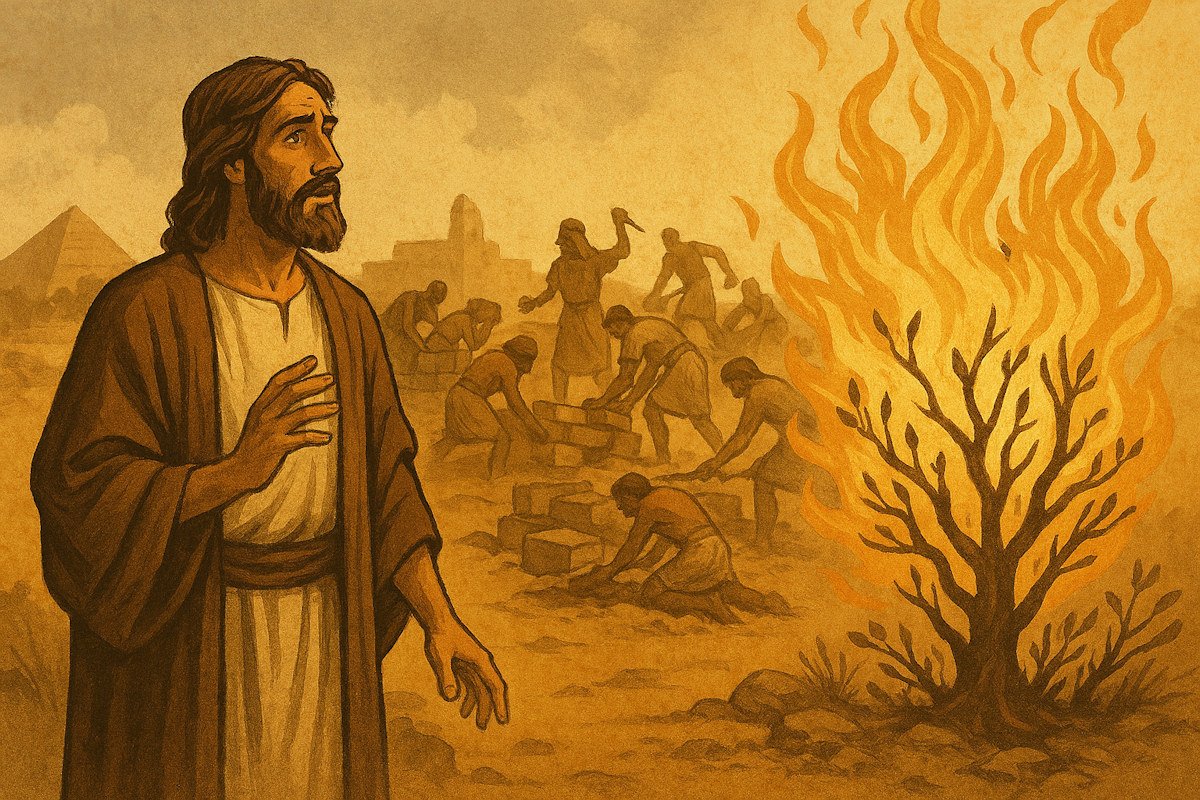
Exodus Chapters 1 - 3
Exodus was written to record the events of Israel’s deliverance from Egypt and development as a nation. The author is Moses. It was written around 1450 - 1410 BC In the wilderness during Israel’s wanderings. The setting is Egypt. God’s people once highly favored in the land are now slaves. God is about to set them free.
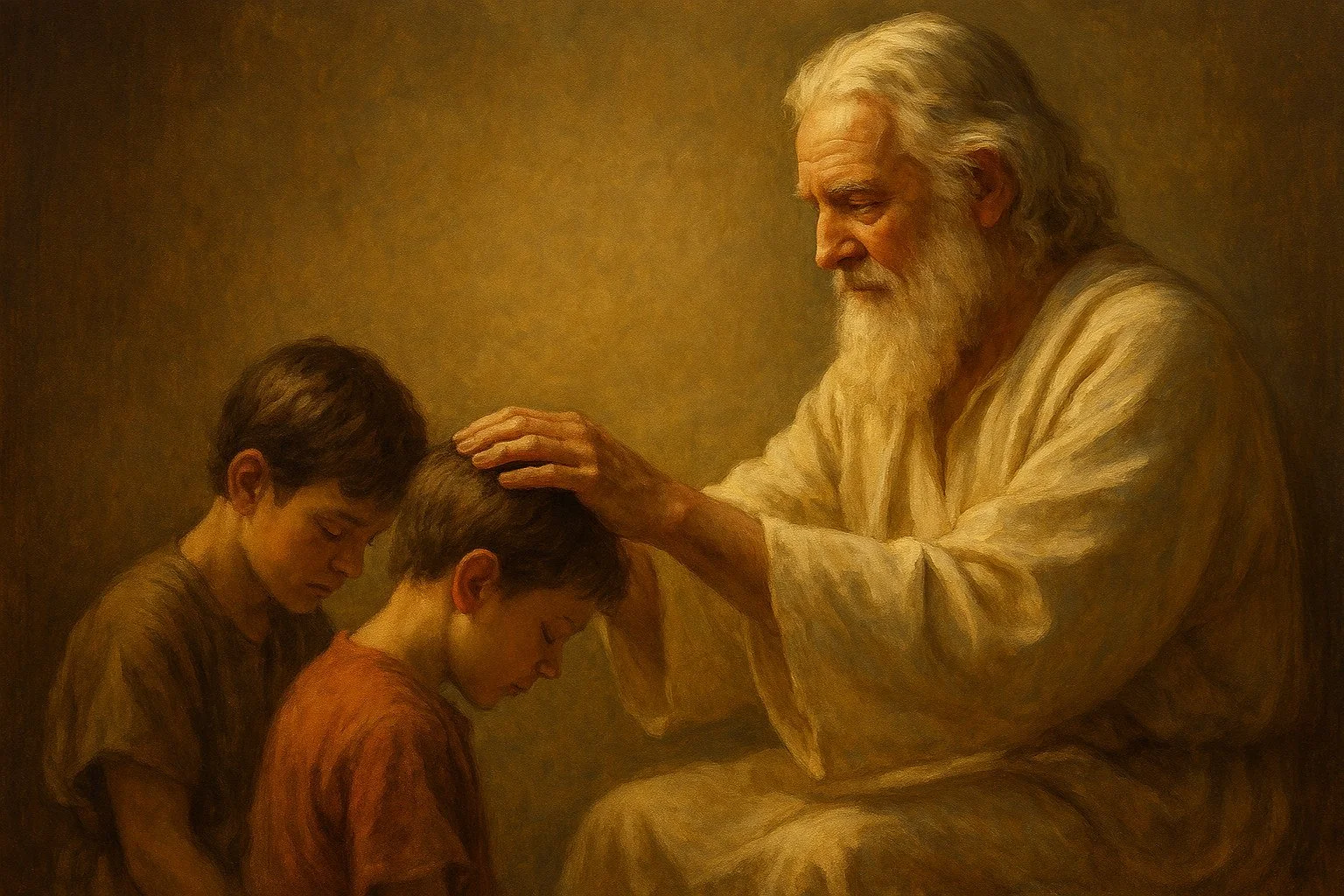
Genesis Chapter 48 - 50
The chapters highlight the importance of character, legacy, and fruitfulness, but above all, God’s ability to transform evil into good for those who trust Him. The most important message is to trust in God’s sovereignty, practice forgiveness, and hold onto hope—knowing that God is always working for good, even in difficult circumstances.
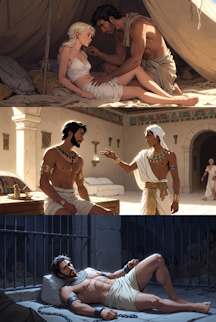
Genesis Chapter 38 -40
Judah’s sons Er and Onan die; he delays giving Tamar to Shelah. Tamar disguises as a prostitute, conceives twins (Perez & Zerah) by Judah. He admits her greater righteousness when confronted with his pledge items. Joseph prospers in Potiphar’s house because “the Lord was with him.” He flees Potiphar’s wife’s seduction, is falsely accused, and imprisoned. In prison, “the Lord was with him,” and the warden puts him in charge. Joseph interprets the cupbearer’s and baker’s dreams: cupbearer restored, baker hanged—both come true in three days. The cupbearer forgets Joseph.
Genesis Chapters 25 - 26
Abraham remarries, fathers more sons, but gives his inheritance to Isaac and dies at 175, buried by Isaac and Ishmael. Ishmael's line forms twelve tribes. Isaac's wife Rebekah bears twins: Esau (firstborn) and Jacob. Esau sells his birthright to Jacob for stew. In famine, Isaac moves to Gerar, fears for his life, calls Rebekah his sister, but God blesses him richly. He re-digs wells, persists through conflicts, makes peace with Abimelek, and renews God's covenant. Esau's marriages grieve his parents.
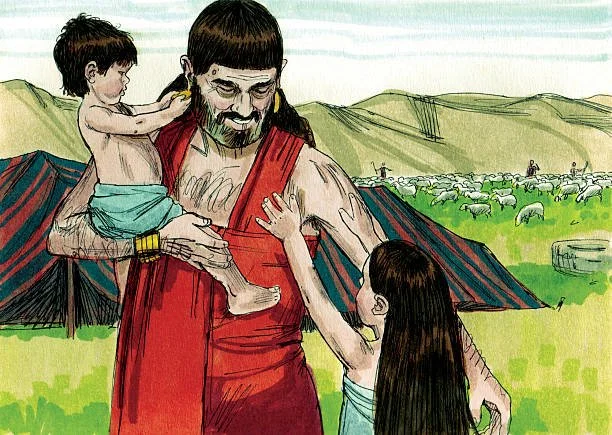
Job Chapters 40 - 42
In essence, God's message in Job 40–42 is this: “Trust Me. I am God, and you are not. My ways are higher, My power is unmatched, and My wisdom is perfect — even when life feels unfair. Bring your pain to Me, humble yourself before Me, and find rest in who I am.”
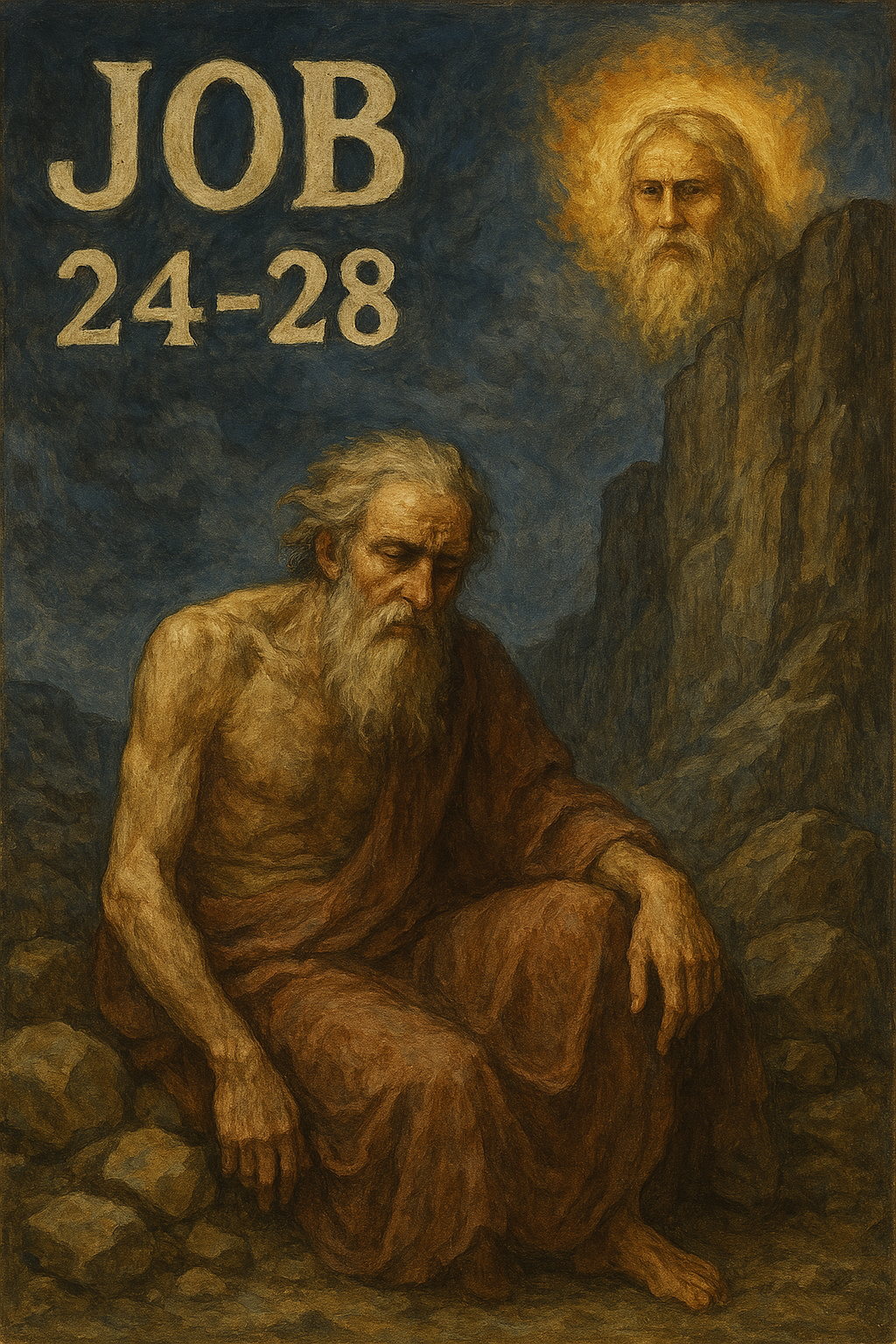
Job Chapters 24 - 28
Job 24–28 traces Job’s protest that the wicked often seem to prosper while the innocent suffer, challenging his friends’ simplistic view of justice. His friends respond with increasingly harsh accusations, but Job maintains his integrity and insists that God alone truly knows the hidden order of the world. The section culminates in chapter 28, a poetic meditation declaring that while humans can uncover the earth’s treasures, true wisdom belongs to God alone and is found in revering Him.
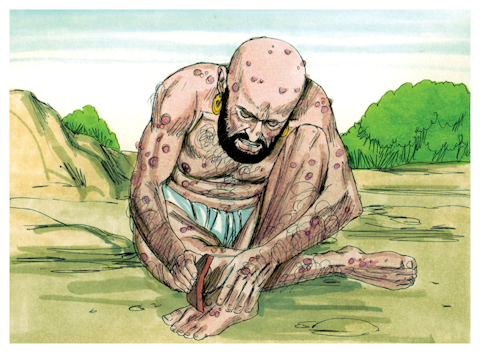
Job Chapters 6 - 9
These chapters show Job’s deepening despair, his friends’ insistence on simple cause-and-effect theology, and Job’s profound awe at God’s untouchable power—mixed with bold pleas for fairness and a mediator.

Genesis Chapter 8-11
Genesis 8-11 God’s sets his covenant with Noah and the earth is repopulated. As we see Nations descend from Noah and how again we see how quickly things turn south when Canaan the son of Ham, does evil in the Lord’s eyes and is cursed. The tower of Babel is quickly seen as man’s search for greatness rather than seeking the Lord and God scatters man with different languages and cultures.
Genesis 4-7
Genesis Chapter 4 - 7 tells How when Adam and Eve were created by God, they were without sin, But they became sinful when they disobeyed god . Through Adam and Eve we learn about the destructive power of sin and its better consequences. As Noah a faithful follower of God is the only one spared by God.