

Chronological Study of the Bible.
Reading the Bible in chronological order follows the sequence of events as they occurred historically (based on scholarly research), rather than the traditional canonical order. This approach helps connect historical narratives, interweave Psalms and prophetic writings with related events, and provide better context (e.g., placing Job during the patriarchal period and harmonizing Gospel accounts).
Chronological Bible Study
-
Genesis 1 -3 January 1
Genesis 4 - 7 January 2
Genesis 8 - 11 January 3
Chapter 12-15 January 16
Chapters 16-18 January 17
Chapters 19-21 January 18
Chapters 22 - 24 January 19
Chapters 25 - 26 January 20
Chapters 27-29 January 21
Chapters 30-31 January 22
Chapters 32-34 January 23
Chapters 35 - 37 January 24
Chapters 38 - 40 January 25
Chapters 41-42 January 26
Chapters 43-45 January 27
Chapters 46-47 January 28
Chapters 48 - 50 January29
-
Chapter 1 - 5 January 4
Chapter 6 -9 January 5
Chapter 10 -13 January 6
Chapter 14-16 January 7
Chapter 17 -20 January 8
Chapter 21-23 January 9
Chapter 24-28 January 10
Chapter 29-31 January 11
Chapter 32-34 January 12
Chapter 35-37 January 13
Chapter 38-39 January 14
Chapter 40-42 January 15
-
Chapters 1 -3 January 30
Chapters 4-6 January 31
Chapters 7 -9 February 1
Chapters 10 - 12 February 2
Chapters 13 - 15 February 3
Chapters 16 - 18 February 4
Chapters 19-21 February 5
Chapters 22 - 24 February 6
Chapters 25 - 27 February 7
Chapters 28 - 29 February 8
Chapters 30 - 32 February 9
Chapters 33 - 35 February 10
Chapters 36 - 38 February 11
Chapters 39 - 40 February 12
-
Chapters 1 - 4 February 13
Chapters 5 - 7 February 14
Chapters 8 - 10 February 15
Chapters 11 - 13 February 16
Chapters 14 - 15 February 17
Chapters 16 - 18 February 18
Chapters 19 - 21 February 19
Chapters 22 - 23 February 20
Chapters 24 - 25 February 21
Chapters 26 - 27 February 22
-
Chapters 1 - 2 February 23
Chapters 3 - 4 February 24
Chapters 5 - 6 February 25
Chapters 7 February 26
Chapters 8-10 February 27
Chapters 11 - 13 February 28
Chapters 14 - 15, Psalm 90 March 1
Chapters 16 - 17 March 2
Chapters 18 - 20 March 3
Chapters 21-22 March 4
Chapters 23 - 25 March 5
Chapters 26 - 27 March 6
Chapters 28 - 30 March 7
Chapters 31 - 32 March 8
Chapters 33 - 34 March 9
Chapters 35-36 March 10
-
Chapters 1 - 2 March 11
Chapters 3 - 4 March 12
Chapters 5 - 7 March 13
Chapters 8-10 March 14
Chapters 11 - 13 March 15
Chapters 14 - 16 March 16
Chapters 17 - 20 March 17
Chapters 21 - 23 March 18
Chapters 24 - 27 March 19
Chapters 28 - 29 March 20
Chapters 30-31 March 21
Chapters 32 - 34, Psalm 91 March 22
-
Chapters 1 - 4 March 23
Chapter 5 - 8 March 24
Chapters 9 - 11 March 25
Chapters 12 - 15 March 26
Chapters 16 - 18 March 27
Chapters 19 -21 March28
Chapters 22 - 24 March 29
-
Chapters 1 - 2 March 30
Judges 3 - 5 March 31
Judges 6 - 7 April 1
Judges 8-9 April 2
Judges 10 - 12 April 3
Judges 13 - 15 April 4
Judges 16 - 18 April 5
Judges 19 - 21 April 6
-
Chapters 1 - 4 April 7
-
Psalm 90, Psalm 91, 11 & 59 April 13
7,27,31,34,52 April 15
56, 120, 140-142 April 16
17,35, 54,63 April 18, 18 April 19
121,123-125,128-130 April 20
6, 8 - 10, 14, 16, 19, 21 April 22
43 - 45, 49, 84 - 85, 87 April 24
73, 77 -78 April 26
81, 88, 92-93 April 28
102 - 104 April 30
1, 2, 15, 22-24, 47, 68 May 5
89, 96, 100, 101, 105, 132 May 6
25, 29, 33, 36, 39 May 8
50, 53, 60, 75 May 10, 20 May 11
65-67, 69, 70 May 12
32, 51, 86, 122 May 14
3-4, 12-13, 28, 55 May 16
26, 40, 58, 61-62, 64 May 18
5, 38, 41 - 42 May 20
57 May 21
95, 97 - 99 May 22
30 May 23
108-110 May 24
131,138, 139, 143 - 145 May 26
27 May 27
111 - 118 May 28
37, 71, 94 May 29
119 May 30
72 June 1
136 June 14
134, 146 - 150 June15
-
Chapters 1-3 April 8
Chapters 4-8 April 9
Chapters 9 - 10 April 10
Chapters 13 -14 April 11
Chapters 15-17 April 12
Chapters 18 - 20, Psalm 11,59 April 13
Chapter 21-24 April 14
Chapters 25 - 27 April 17
Chapters 28 -31 April 19
-
Chapters 1 - 4 April 21
Chapter 5 May 1
Chapter 6-7 May 7
Chapter 8-9 May 9
Chapter 10 May 11
Chapters 11-12 May 13
Chapters 13- 15 May 15
Chapters 16 - 18 May 17
Chapter 19 - 21 May 19
Chapters 22 - 23 May 21
Chapter 24 May23
-
Chapter 1 - 2 April 23
Chapter 3 - 5 April 25
Chapter 6 April 27
Chapter 7 - 10 April 29
Chapter 11-12 May 1
Chapter 13 - 16 May 4
Chapter 17 May 7
Chapter 18 May 9,
Chapter 19, May 11
Chapter 20 May 13
Chapters 21-22 May 23
Chapters 23 - 25 May 25
Chapter 26 - 29 May 27
-
Chapter 1 June 1
Chapter 2 - 3 June 11
Chapter 4 June 12
Chapter 5 June 13
Chapter 6 - 7 June 14
Chapter 8 June 16
Chapter 9 June 21
Chapter 10 - 12 June 24
Chapter 13 - 16 June 25
Chapter 17 June 26
Chapter 18 June 29
Chapter 19 - 23 June 30
-
Chapters 1 - 2 May 29
Chapters 3 - 4 May 31
Chapter 5-6 June 11
Chapter 7 June 12
Chapter 8 June 13
Chapter 9 June 16
Chapters 10 - 11 June 21
Chapters 12 - 14 June 23
Chapter 15 June 25
Chapter 16 June 26
Chapter 17 - 19 June 27
Chapters 20 - 21 June 28
Chapter 22 June 29
-
Item description
-
Item description
-
-
Chapters 1 - 8 June 2
-
Chapter 1 - 6 June 19
Chapters 7 - 12 June 20
-
Item description
-
Item description
-
Description text goes here
-
Description text goes here
-
Description text goes here
-
Description text goes here
-
Description text goes here
-
Description text goes here
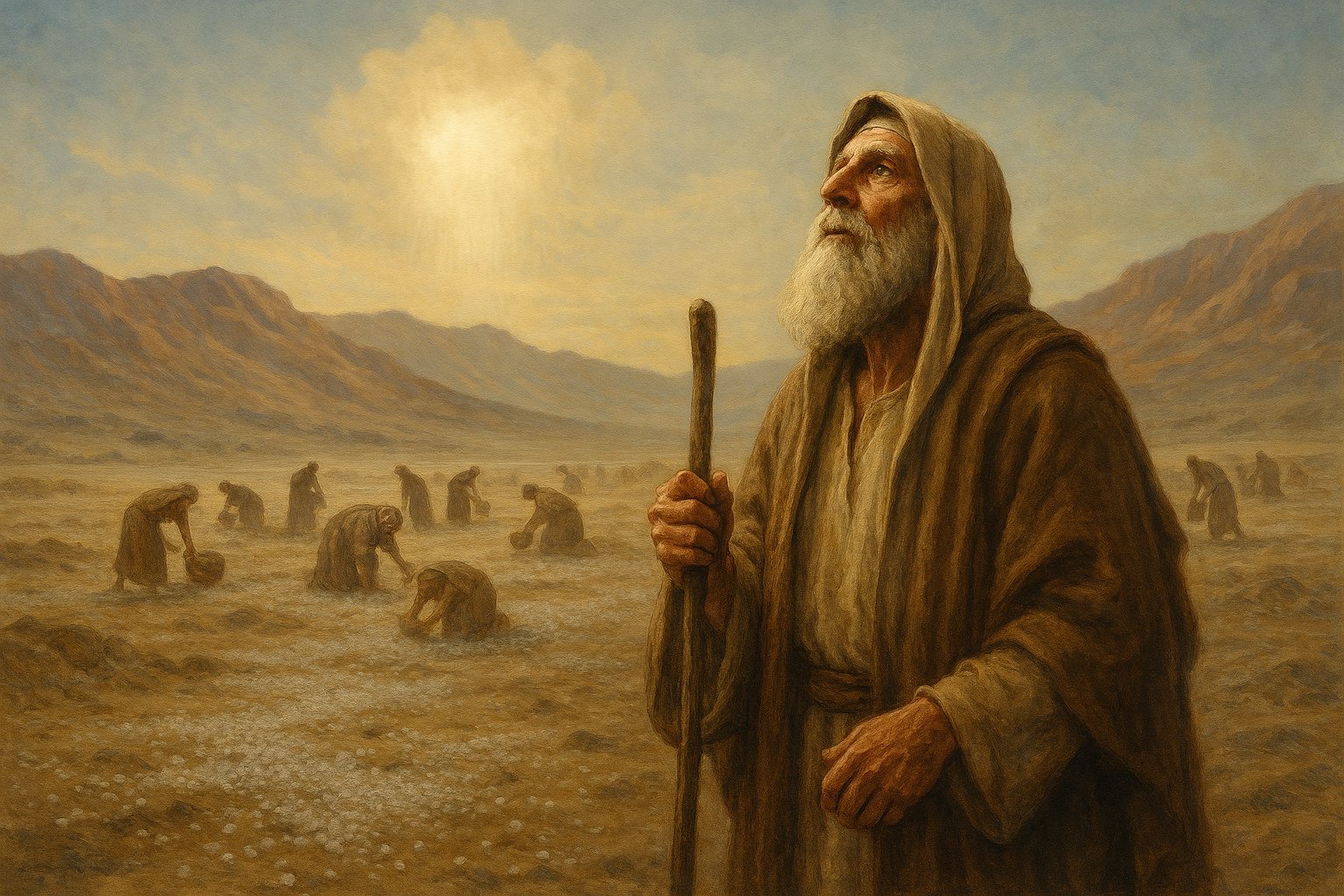
Exodus Chapters 16 - 18
After leaving Egypt, the Israelites journey through the wilderness and face hunger and thirst. God miraculously provides manna, quail, and water from a rock, teaching them to trust His provision and obey His instructions. The people struggle with doubt and grumbling, but God remains patient.
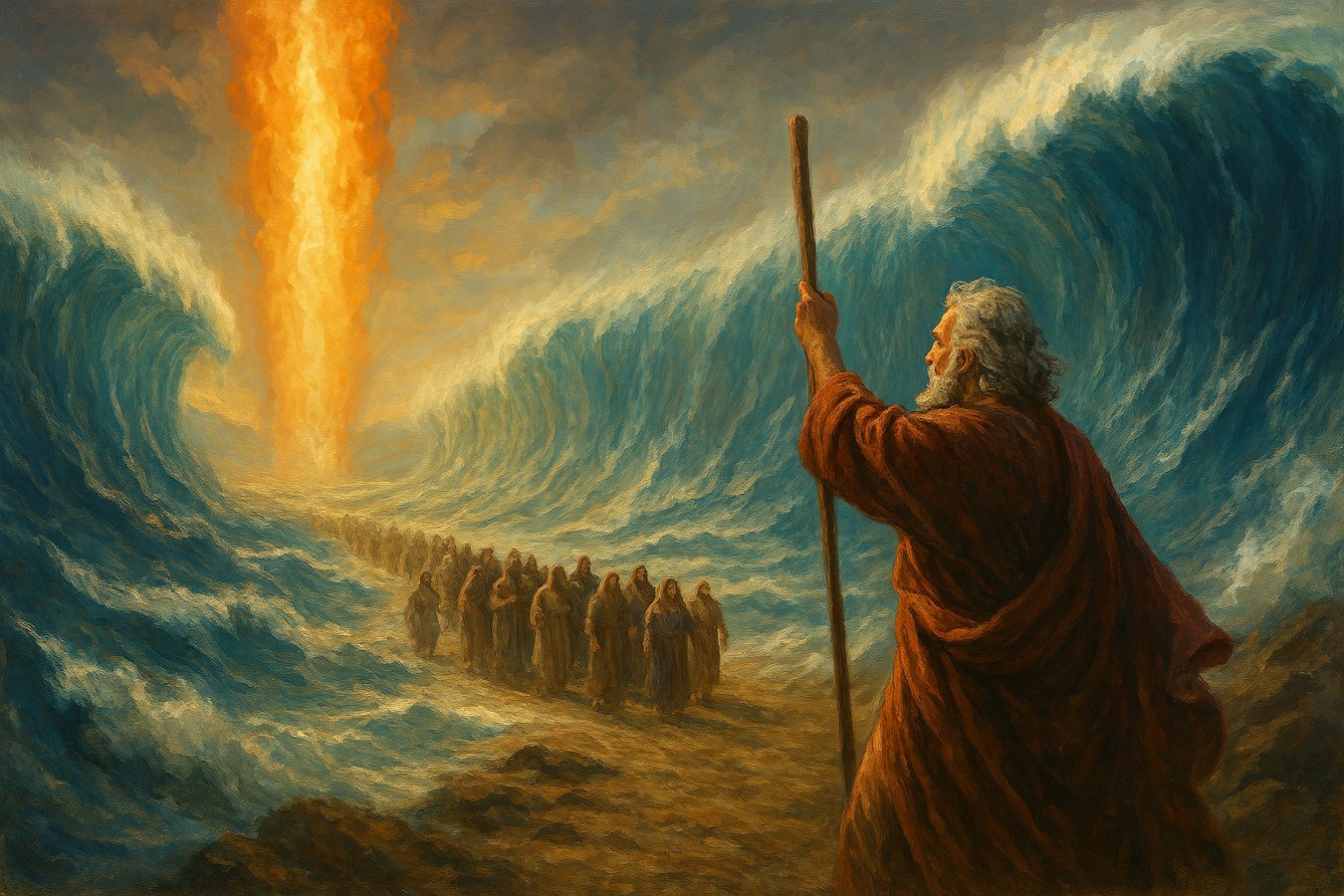
Exodus Chapters 13 - 15
Exodus 13–15 recounts God’s deliverance of Israel from Egypt. God commands the consecration of the firstborn and establishes the Feast of Unleavened Bread as a memorial. He guides the Israelites with a pillar of cloud and fire, leads them through the wilderness, and miraculously parts the Red Sea, saving them from Pharaoh’s army. The Israelites respond with songs of praise, recognizing God’s power, faithfulness, and uniqueness. These chapters emphasize trusting God’s guidance, remembering His salvation, and dedicating oneself to Him.
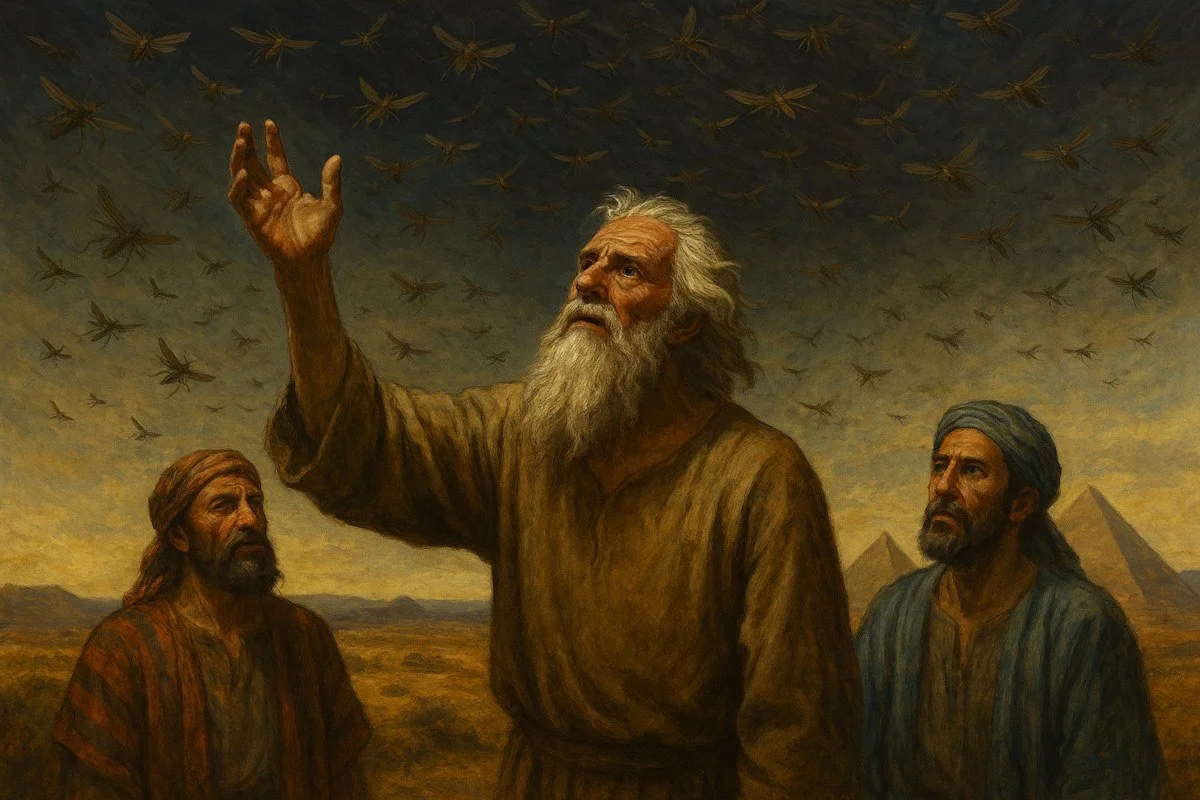
Exodus Chapter 10 - 12
God sends the final plagues: locusts devour crops, then three days of darkness cover Egypt (light in Goshen). Pharaoh wavers but refuses full release. God announces the tenth plague—death of all Egyptian firstborn. He institutes Passover: Israelites sacrifice a lamb, mark doorposts with its blood for protection, and eat it in haste. That night, Egyptian firstborns die; Pharaoh surrenders. After 430 years, Israel departs Egypt—the Exodus begins.
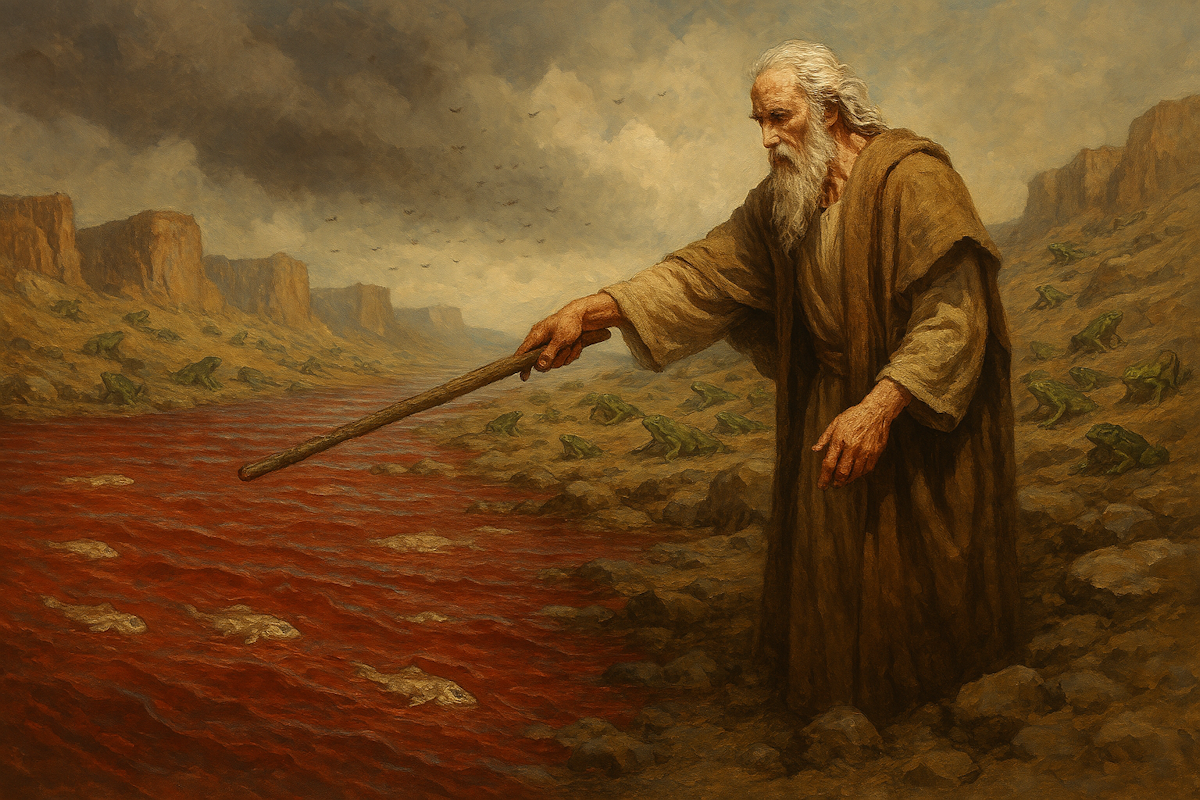
Exodus Chapters 7 -9
These chapters show that God is in control over all creation, rulers, and circumstances. Through the plagues, God demonstrates His supremacy and makes it clear that no earthly authority, including Pharaoh, can stand against Him. The plagues are purposeful signs to reveal God’s power and to teach both the Egyptians and Israelites that He alone is the Lord.
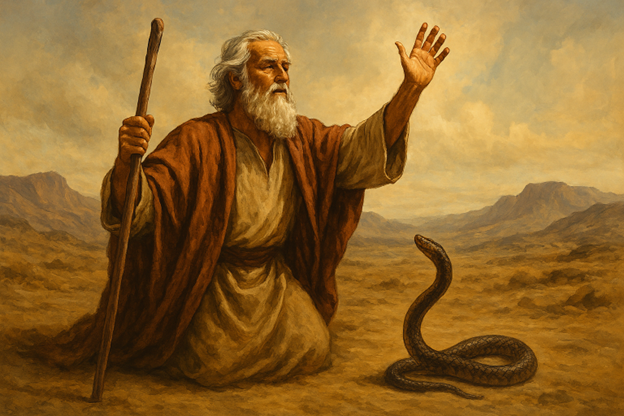
Exodus Chapters 4-6
God equips and supports those He calls, even when they feel unqualified or afraid. He is faithful to His promises, and His power overcomes every obstacle. When you step out in faith and obedience, trusting God’s presence and guidance, you will experience transformation and courage for your journey.
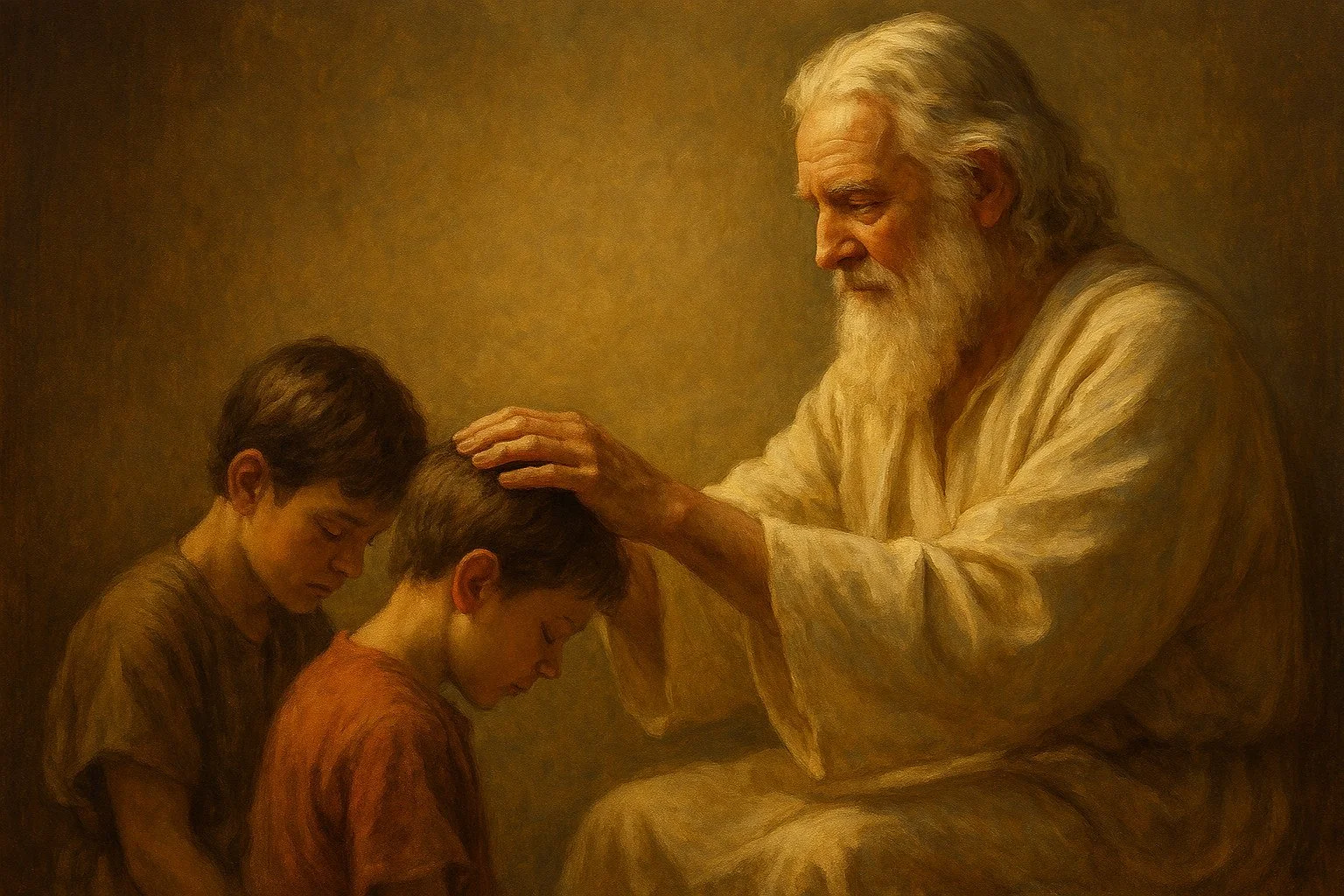
Genesis Chapter 48 - 50
The chapters highlight the importance of character, legacy, and fruitfulness, but above all, God’s ability to transform evil into good for those who trust Him. The most important message is to trust in God’s sovereignty, practice forgiveness, and hold onto hope—knowing that God is always working for good, even in difficult circumstances.
Genesis Chapter 1 - 3
Genesis was written to tell the story of creation of the world and God’s desire to have a people set apart to worship Him. Author is Moses. Written around 1450 - 1410 BC. Chapters 1 -3 tell the The story of creation, about Adam and Eve and Cain and Abel.