

Chronological Study of the Bible.
Reading the Bible in chronological order follows the sequence of events as they occurred historically (based on scholarly research), rather than the traditional canonical order. This approach helps connect historical narratives, interweave Psalms and prophetic writings with related events, and provide better context (e.g., placing Job during the patriarchal period and harmonizing Gospel accounts).
Chronological Bible Study
-
Genesis 1 -3 January 1
Genesis 4 - 7 January 2
Genesis 8 - 11 January 3
Chapter 12-15 January 16
Chapters 16-18 January 17
Chapters 19-21 January 18
Chapters 22 - 24 January 19
Chapters 25 - 26 January 20
Chapters 27-29 January 21
Chapters 30-31 January 22
Chapters 32-34 January 23
Chapters 35 - 37 January 24
Chapters 38 - 40 January 25
Chapters 41-42 January 26
Chapters 43-45 January 27
Chapters 46-47 January 28
Chapters 48 - 50 January29
-
Chapter 1 - 5 January 4
Chapter 6 -9 January 5
Chapter 10 -13 January 6
Chapter 14-16 January 7
Chapter 17 -20 January 8
Chapter 21-23 January 9
Chapter 24-28 January 10
Chapter 29-31 January 11
Chapter 32-34 January 12
Chapter 35-37 January 13
Chapter 38-39 January 14
Chapter 40-42 January 15
-
Chapters 1 -3 January 30
Chapters 4-6 January 31
Chapters 7 -9 February 1
Chapters 10 - 12 February 2
Chapters 13 - 15 February 3
Chapters 16 - 18 February 4
Chapters 19-21 February 5
Chapters 22 - 24 February 6
Chapters 25 - 27 February 7
Chapters 28 - 29 February 8
Chapters 30 - 32 February 9
Chapters 33 - 35 February 10
Chapters 36 - 38 February 11
Chapters 39 - 40 February 12
-
Chapters 1 - 4 February 13
Chapters 5 - 7 February 14
Chapters 8 - 10 February 15
Chapters 11 - 13 February 16
Chapters 14 - 15 February 17
Chapters 16 - 18 February 18
Chapters 19 - 21 February 19
Chapters 22 - 23 February 20
Chapters 24 - 25 February 21
Chapters 26 - 27 February 22
-
Chapters 1 - 2 February 23
Chapters 3 - 4 February 24
Chapters 5 - 6 February 25
Chapters 7 February 26
Chapters 8-10 February 27
Chapters 11 - 13 February 28
Chapters 14 - 15, Psalm 90 March 1
Chapters 16 - 17 March 2
Chapters 18 - 20 March 3
Chapters 21-22 March 4
Chapters 23 - 25 March 5
Chapters 26 - 27 March 6
Chapters 28 - 30 March 7
Chapters 31 - 32 March 8
Chapters 33 - 34 March 9
Chapters 35-36 March 10
-
Chapters 1 - 2 March 11
Chapters 3 - 4 March 12
Chapters 5 - 7 March 13
Chapters 8-10 March 14
Chapters 11 - 13 March 15
Chapters 14 - 16 March 16
Chapters 17 - 20 March 17
Chapters 21 - 23 March 18
Chapters 24 - 27 March 19
Chapters 28 - 29 March 20
Chapters 30-31 March 21
Chapters 32 - 34, Psalm 91 March 22
-
Chapters 1 - 4 March 23
Chapter 5 - 8 March 24
Chapters 9 - 11 March 25
Chapters 12 - 15 March 26
Chapters 16 - 18 March 27
Chapters 19 -21 March28
Chapters 22 - 24 March 29
-
Chapters 1 - 2 March 30
Judges 3 - 5 March 31
Judges 6 - 7 April 1
Judges 8-9 April 2
Judges 10 - 12 April 3
Judges 13 - 15 April 4
Judges 16 - 18 April 5
Judges 19 - 21 April 6
-
Chapters 1 - 4 April 7
-
Psalm 90, Psalm 91, 11 & 59 April 13
7,27,31,34,52 April 15
56, 120, 140-142 April 16
17,35, 54,63 April 18, 18 April 19
121,123-125,128-130 April 20
6, 8 - 10, 14, 16, 19, 21 April 22
43 - 45, 49, 84 - 85, 87 April 24
73, 77 -78 April 26
81, 88, 92-93 April 28
102 - 104 April 30
1, 2, 15, 22-24, 47, 68 May 5
89, 96, 100, 101, 105, 132 May 6
25, 29, 33, 36, 39 May 8
50, 53, 60, 75 May 10, 20 May 11
65-67, 69, 70 May 12
32, 51, 86, 122 May 14
3-4, 12-13, 28, 55 May 16
26, 40, 58, 61-62, 64 May 18
5, 38, 41 - 42 May 20
57 May 21
95, 97 - 99 May 22
30 May 23
108-110 May 24
131,138, 139, 143 - 145 May 26
27 May 27
111 - 118 May 28
37, 71, 94 May 29
119 May 30
72 June 1
136 June 14
134, 146 - 150 June15
-
Chapters 1-3 April 8
Chapters 4-8 April 9
Chapters 9 - 10 April 10
Chapters 13 -14 April 11
Chapters 15-17 April 12
Chapters 18 - 20, Psalm 11,59 April 13
Chapter 21-24 April 14
Chapters 25 - 27 April 17
Chapters 28 -31 April 19
-
Chapters 1 - 4 April 21
Chapter 5 May 1
Chapter 6-7 May 7
Chapter 8-9 May 9
Chapter 10 May 11
Chapters 11-12 May 13
Chapters 13- 15 May 15
Chapters 16 - 18 May 17
Chapter 19 - 21 May 19
Chapters 22 - 23 May 21
Chapter 24 May23
-
Chapter 1 - 2 April 23
Chapter 3 - 5 April 25
Chapter 6 April 27
Chapter 7 - 10 April 29
Chapter 11-12 May 1
Chapter 13 - 16 May 4
Chapter 17 May 7
Chapter 18 May 9,
Chapter 19, May 11
Chapter 20 May 13
Chapters 21-22 May 23
Chapters 23 - 25 May 25
Chapter 26 - 29 May 27
-
Chapter 1 June 1
Chapter 2 - 3 June 11
Chapter 4 June 12
Chapter 5 June 13
Chapter 6 - 7 June 14
Chapter 8 June 16
Chapter 9 June 21
Chapter 10 - 12 June 24
Chapter 13 - 16 June 25
Chapter 17 June 26
Chapter 18 June 29
Chapter 19 - 23 June 30
-
Chapters 1 - 2 May 29
Chapters 3 - 4 May 31
Chapter 5-6 June 11
Chapter 7 June 12
Chapter 8 June 13
Chapter 9 June 16
Chapters 10 - 11 June 21
Chapters 12 - 14 June 23
Chapter 15 June 25
Chapter 16 June 26
Chapter 17 - 19 June 27
Chapters 20 - 21 June 28
Chapter 22 June 29
-
Item description
-
Item description
-
-
Chapters 1 - 8 June 2
-
Chapter 1 - 6 June 19
Chapters 7 - 12 June 20
-
Item description
-
Item description
-
Description text goes here
-
Description text goes here
-
Description text goes here
-
Description text goes here
-
Description text goes here
-
Description text goes here
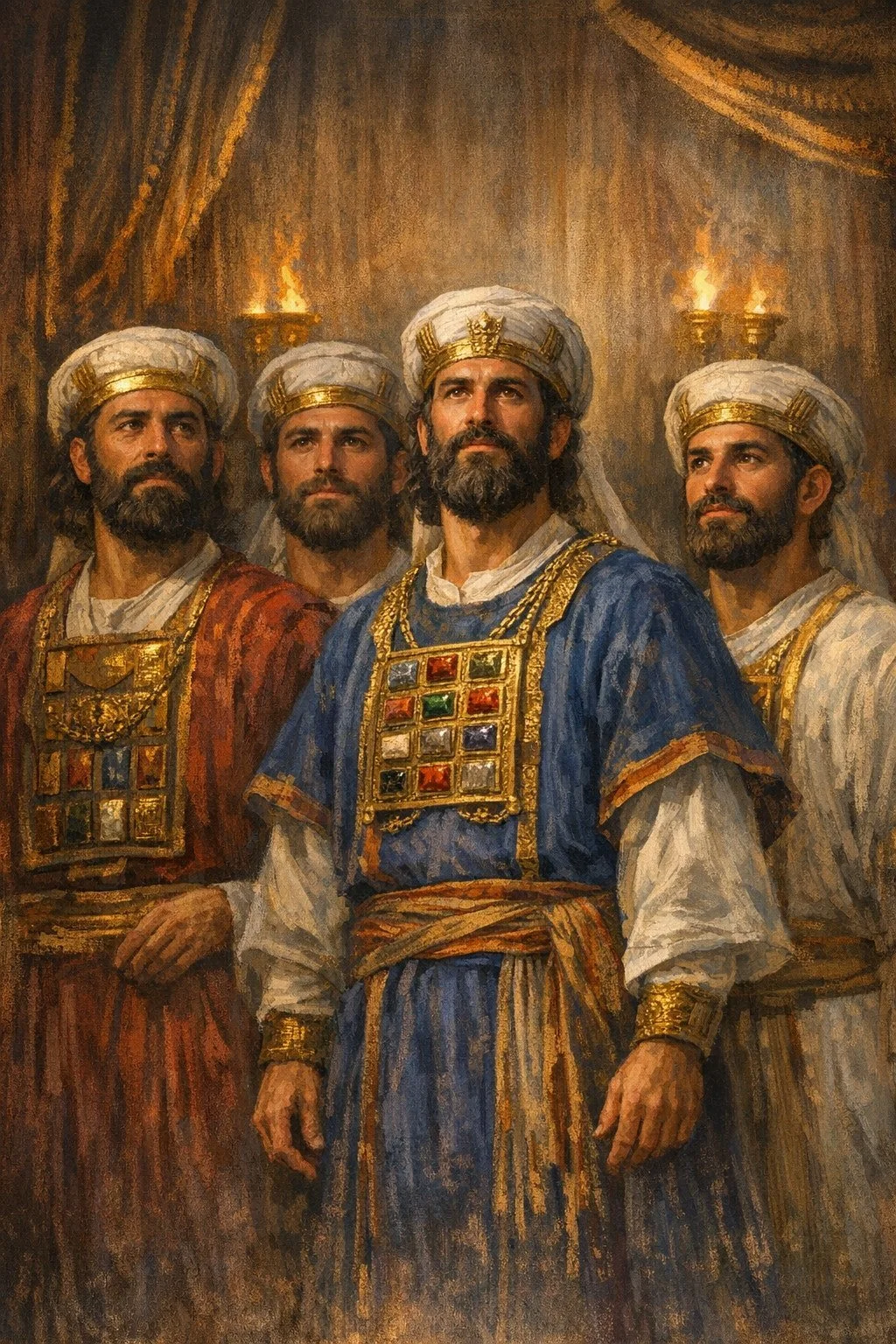
Numbers Chapter 3 - 4
God's overarching lesson in Numbers 3–4 is this: I am holy—approach Me only through the means I provide, with reverence, order, and gratitude for My gracious substitution and redemption. He claims us fully, yet mercifully spares us the full cost, calling us to dedicated service in response.
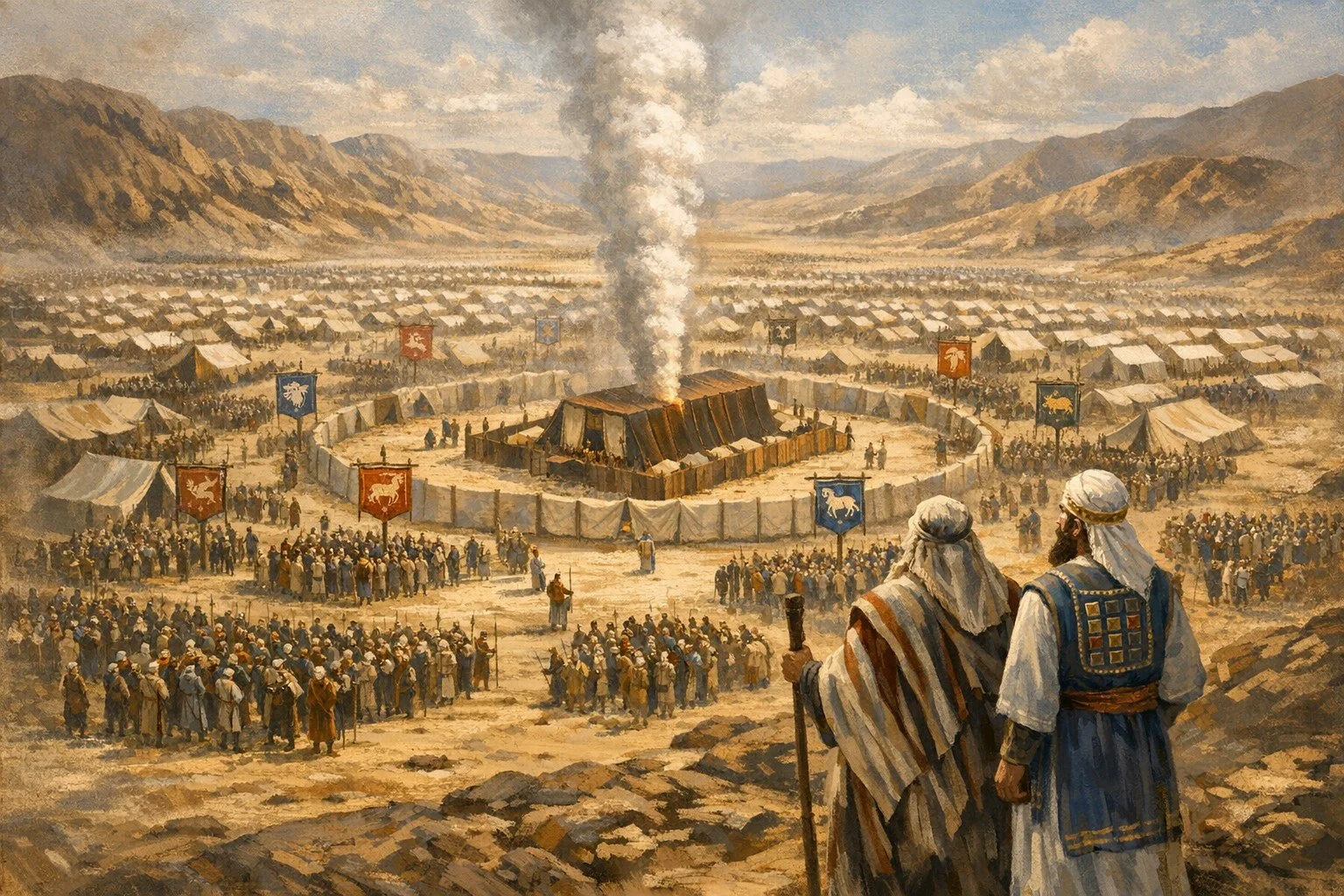
Numbers 1 - 2
The purpose of Book of Numbers is to tell the story of how the Israelites prepared to enter the Promised Land, how they sinned and were punished, and how they prepared to try again. The author is Moses. It was written in 1450 to 1410 BC the same as Genesis in the wilderness during Israel’s wanderings. The setting is the vast wilderness of the Sinai region, as well as lands jus south and east of Canaan.

Leviticus Chapters 26-27
These final chapters of Leviticus call readers to wholehearted faithfulness, warning of consequences while extending mercy and restoration.

Leviticus Chapter 24 - 25
Building on these themes of holiness, purity in worship, and sacred time, Leviticus 24–25 shifts to practical applications in daily life and community
Leviticus 22-23
These chapters emphasize His holiness, the need for purity and reverence in worship, and how His people are to live set apart for Him. The overarching message is that God is holy, He deserves the best in devotion and offerings, and obedience to His instructions honors Him while reflecting His character.
Leviticus Chapters 19 - 21
These chapters collectively urge Israel to live distinctly as God's holy nation, set apart ethically and ritually from surrounding cultures, with holiness touching personal conduct, family, society, and worship.
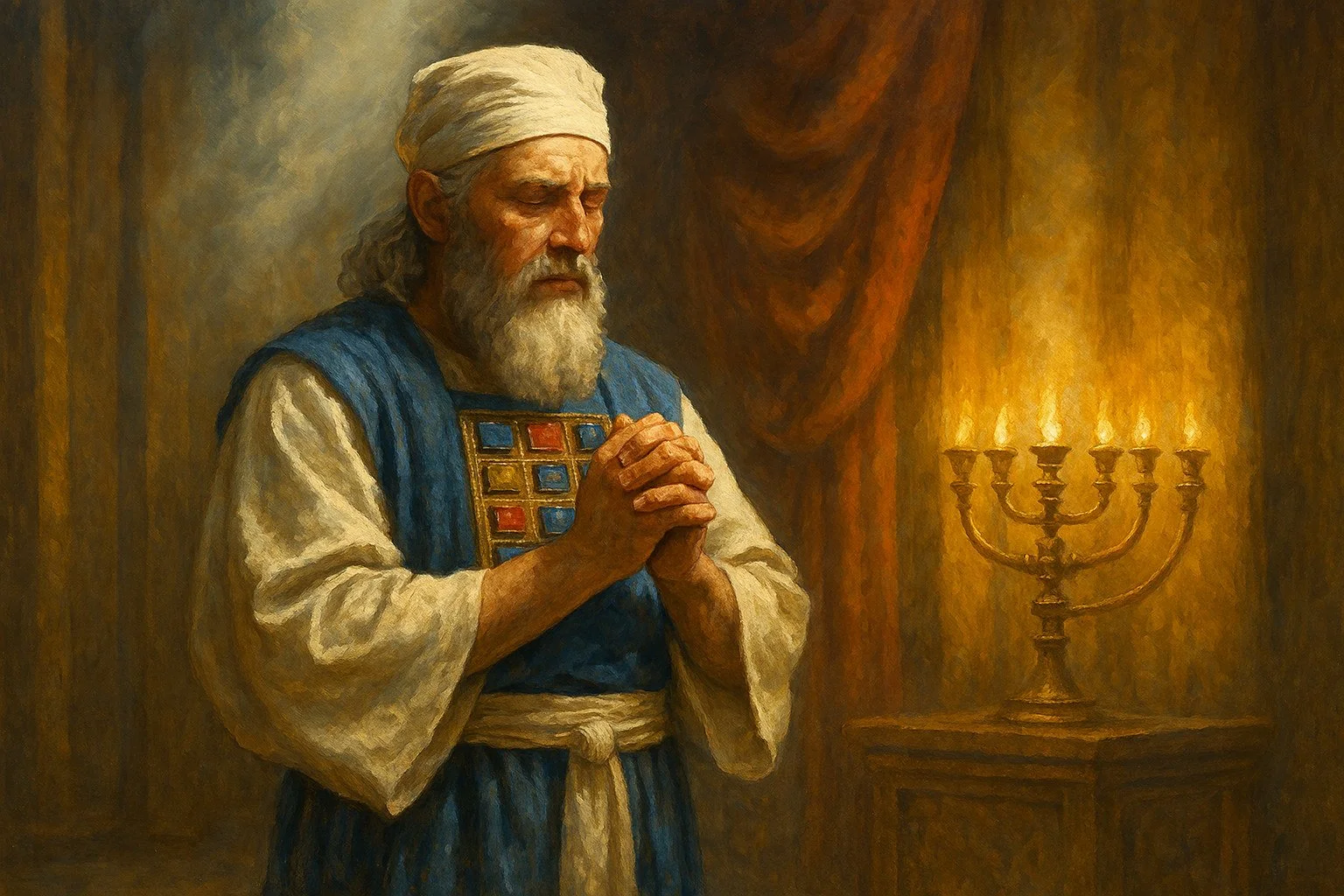
Leviticus Chapter 16-18
These chapters center on God's profound desire for holiness in His people—both through atonement for sin and through moral purity in daily life.
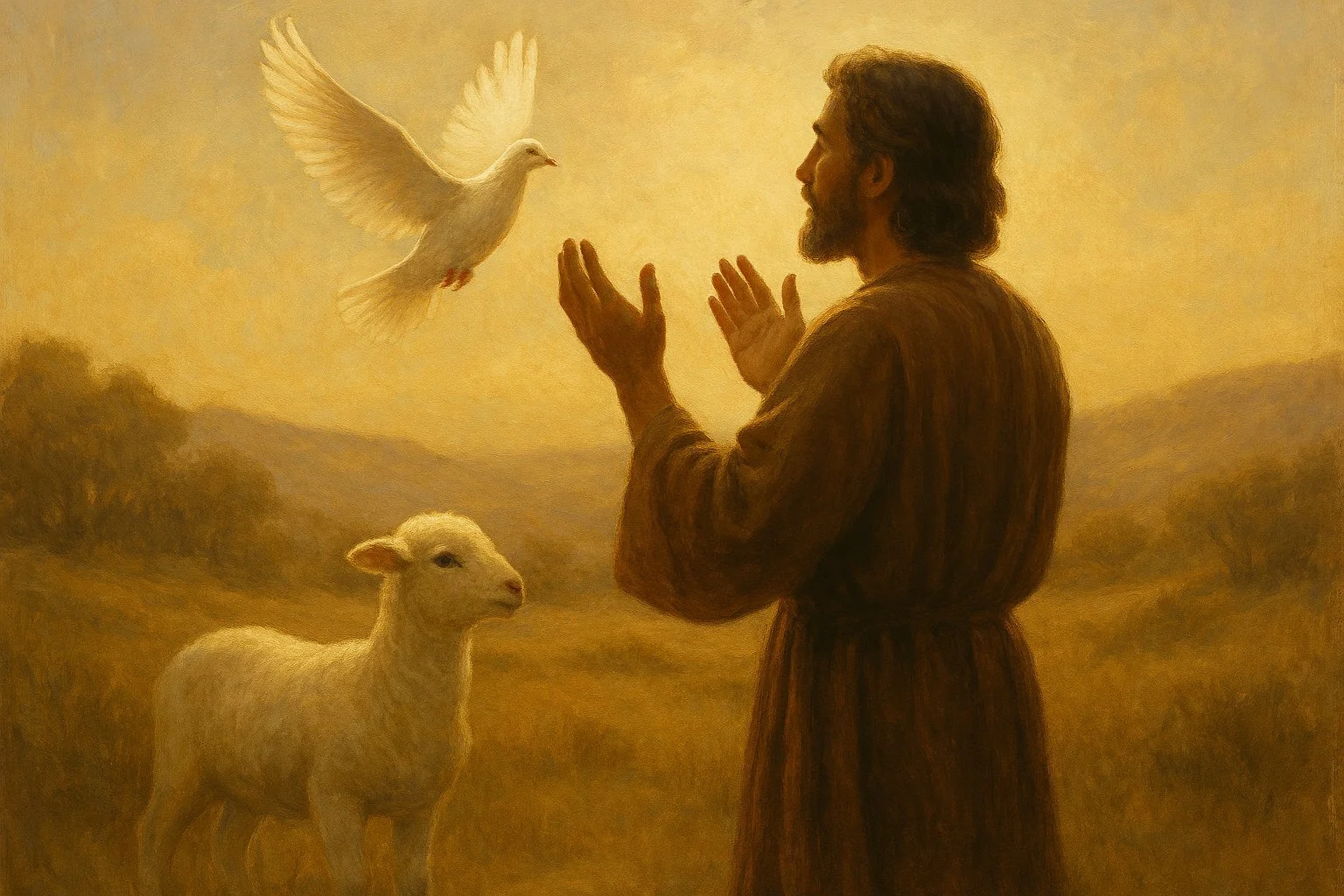
Leviticus Chapter 14 - 15
As you dive into 14–15, notice the elaborate care God takes in restoration—it's not cheap or casual. Reflect on what these might reveal about sin's isolating effects, God's mercy, and the joy of being made clean today through Christ.
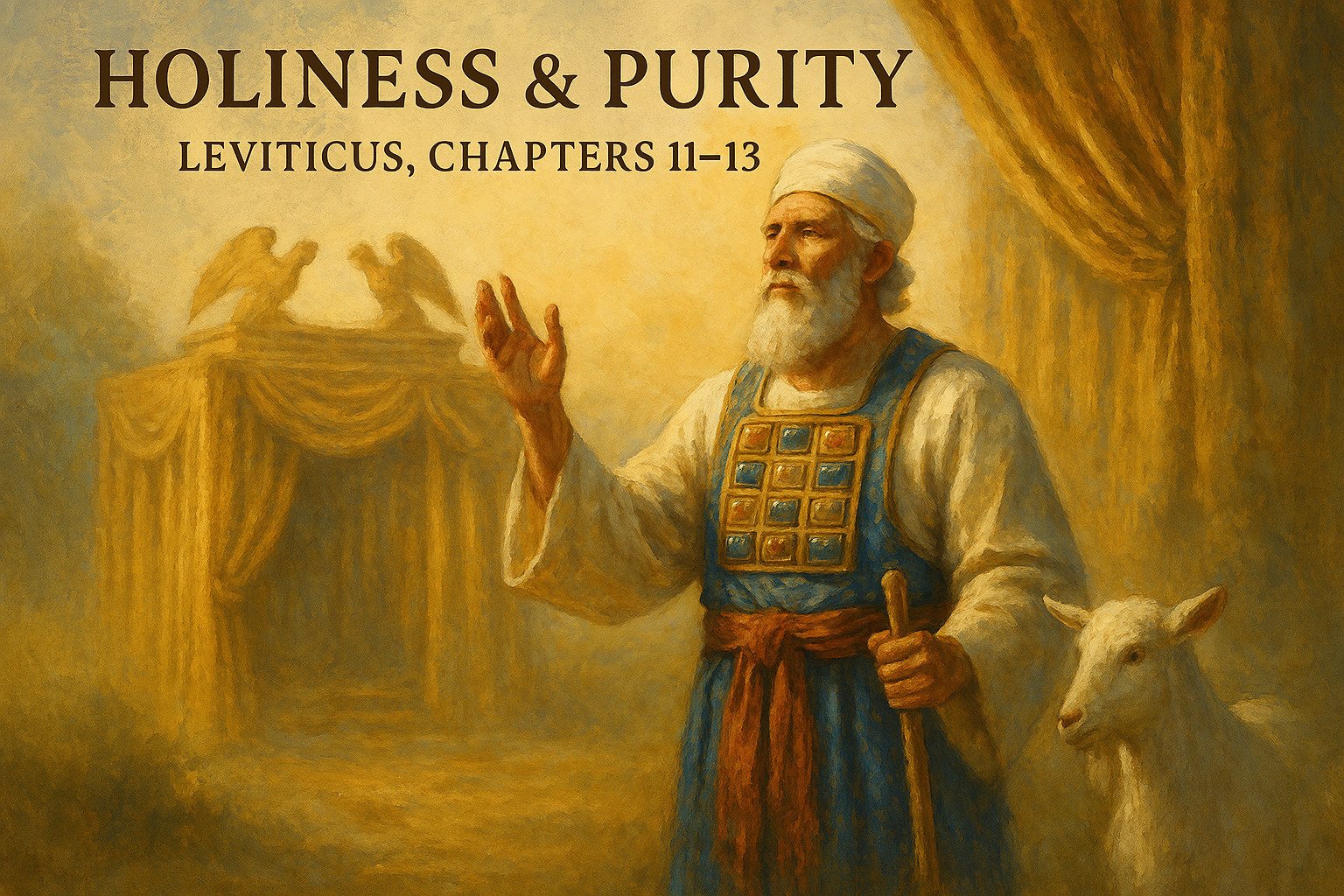
Leviticus Chapter 11 - 13
Introducing Leviticus Chapter 11 – 15 we begin to learn about purity and impurity or clean and unclean laws as it pertains to animals and humans. We learn how priests had to clear them of their uncleanliness before worship.
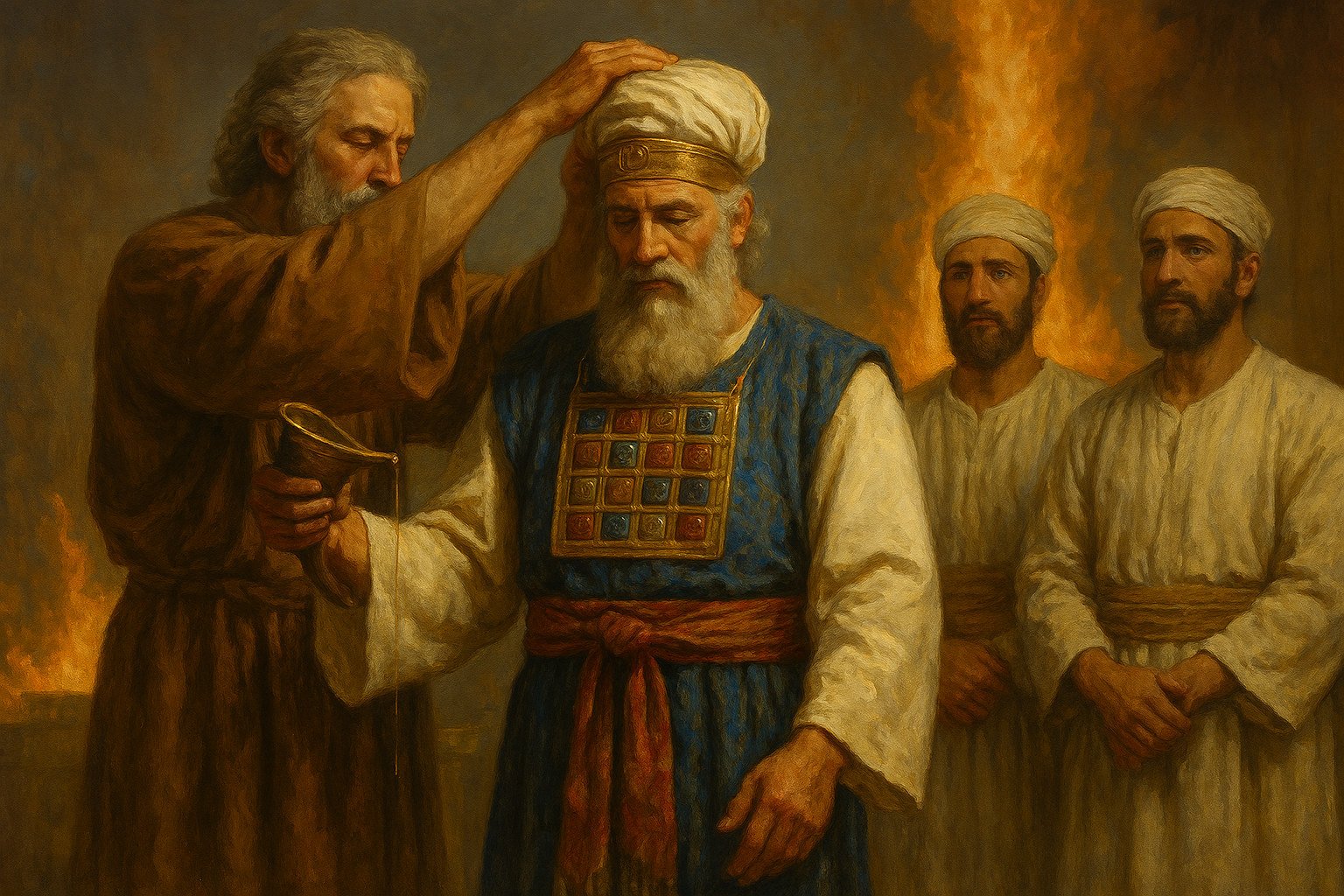
Leviticus Chapters 8-10
Leviticus chapters 8–10 shift from laws about offerings to narrative action: the actual establishment and inauguration of the priesthood.

Leviticus Chapters 5 - 7
As you study Leviticus 5–7, you’ll see how God’s instructions move from general sacrifices to practical applications in daily life, highlighting both justice and mercy. These passages invite us to reflect on the seriousness of sin, the necessity of making amends, and the gracious provision God makes for restoration.
Leviticus Chapters 1 - 4
Leviticus is a handbook for the priests and Levites outlining their duties in worship; a guidebook of holy living for the Hebrews. Author is Moses, written 1450 - 1410 BC. It is written in the wilderness during Israel’s wanderings, at the foot of Mt. Sinai. God is teaching the Israelites how to live as holy people. Holiness if mentioned more times than in any other book of the Bible.
Exodus Chapters 39-40
, God teaches through Exodus 39–40 that He is a holy God who graciously chooses to dwell with His obedient people, blessing them with His presence and guidance. This climactic ending to Exodus shows restoration after rebellion and sets the stage for worship in Leviticus
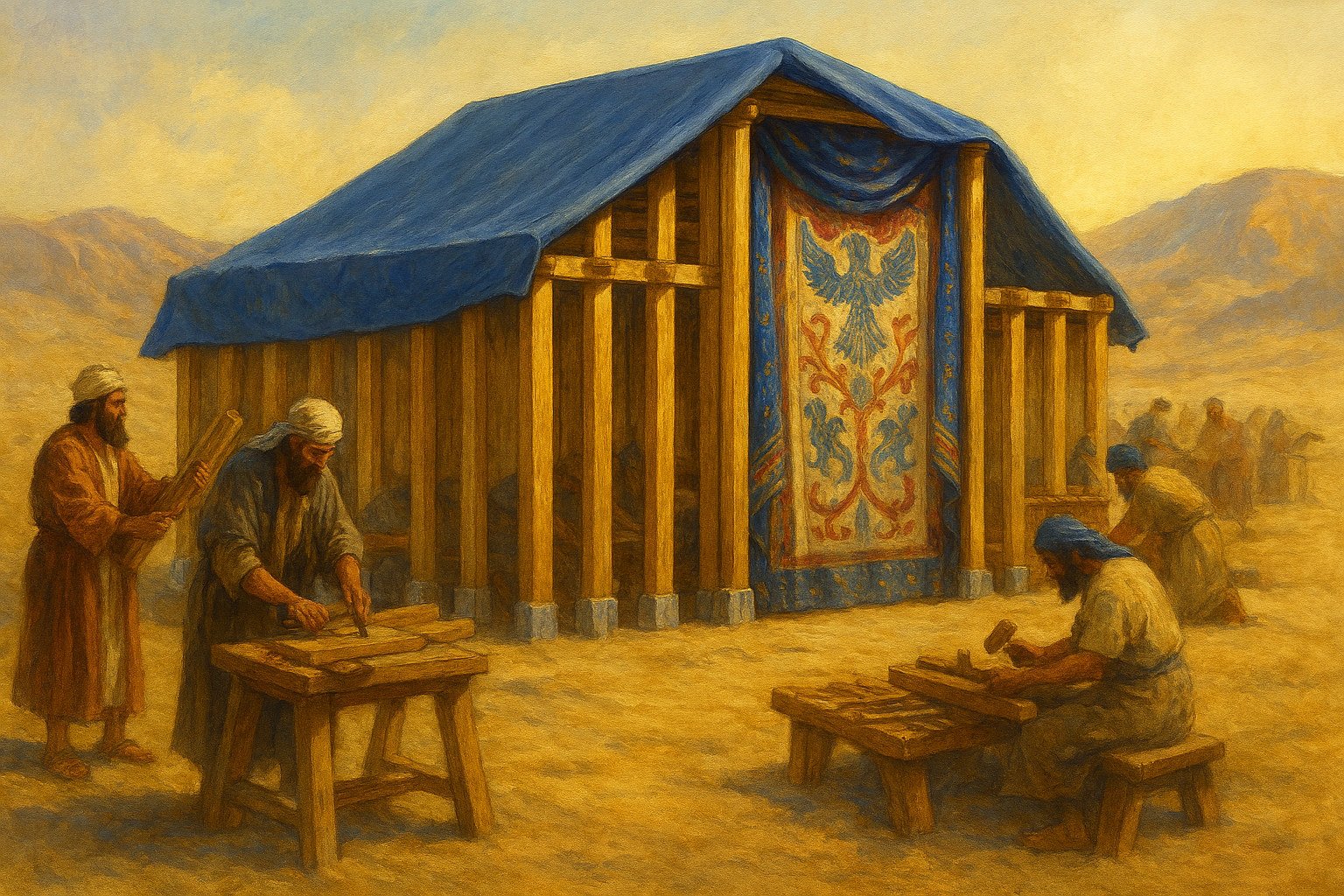
Exodus Chapters 36 - 38
Obey God’s guidance, give generously, use your skills for His purposes, worship with reverence, and build accountable community—these are the key lessons for today.
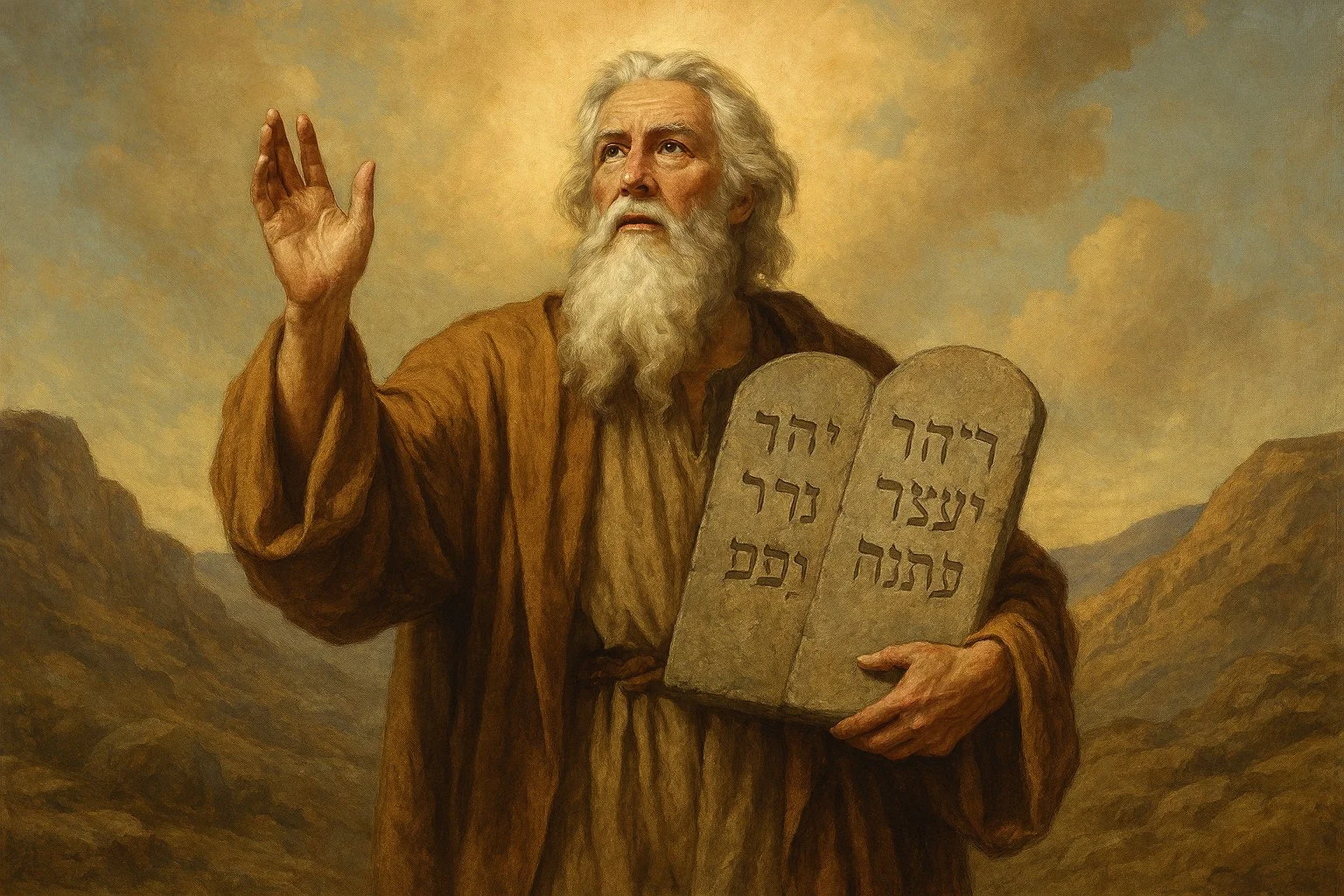
Exodus Chapters 33-35
Moses pleads for God’s presence, and God renews the covenant, giving new tablets.
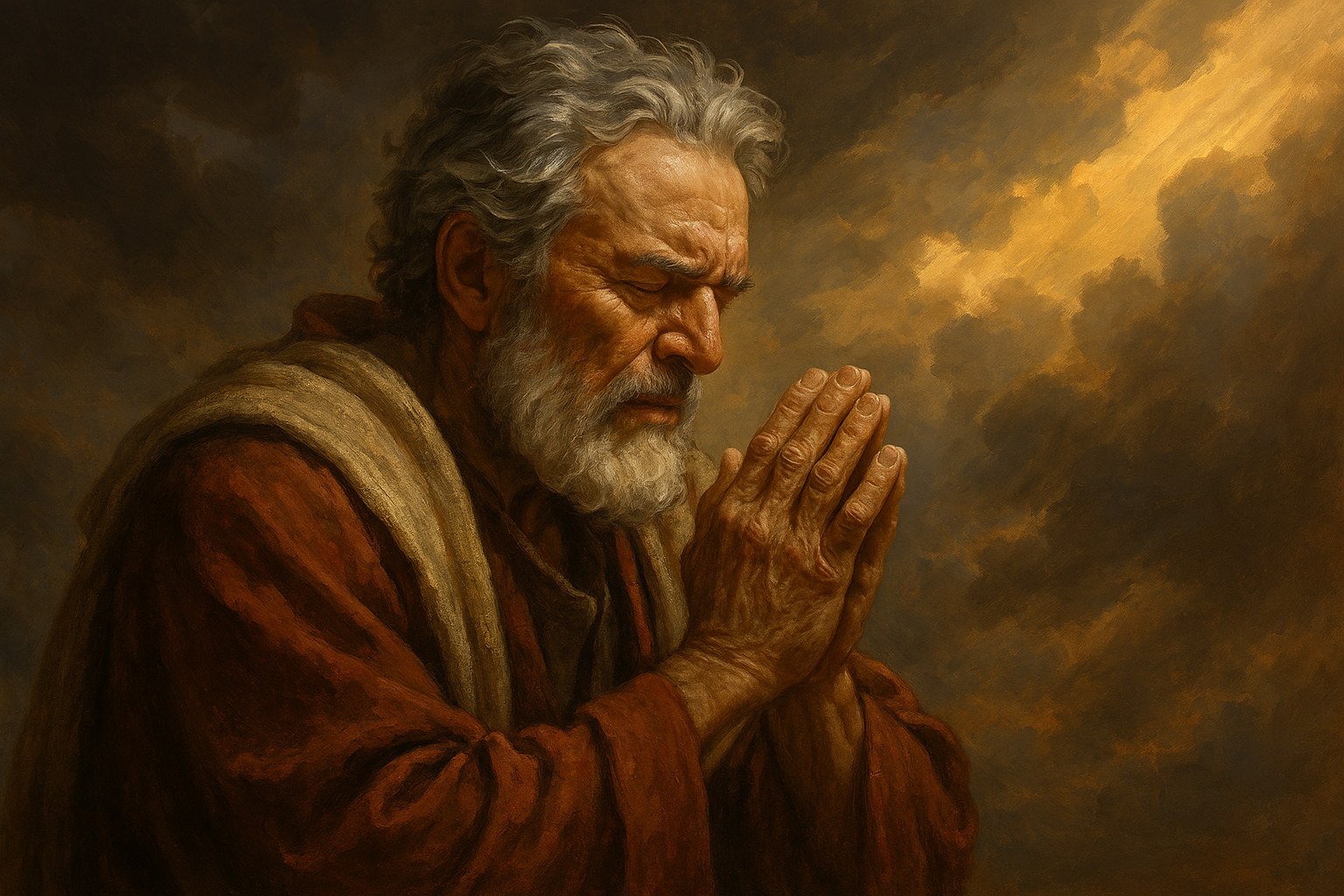
Exodus 30 - 32
Moses intercedes for the people, and God shows both judgment and mercy, teaching the importance of holiness, faithfulness, and community responsibility.
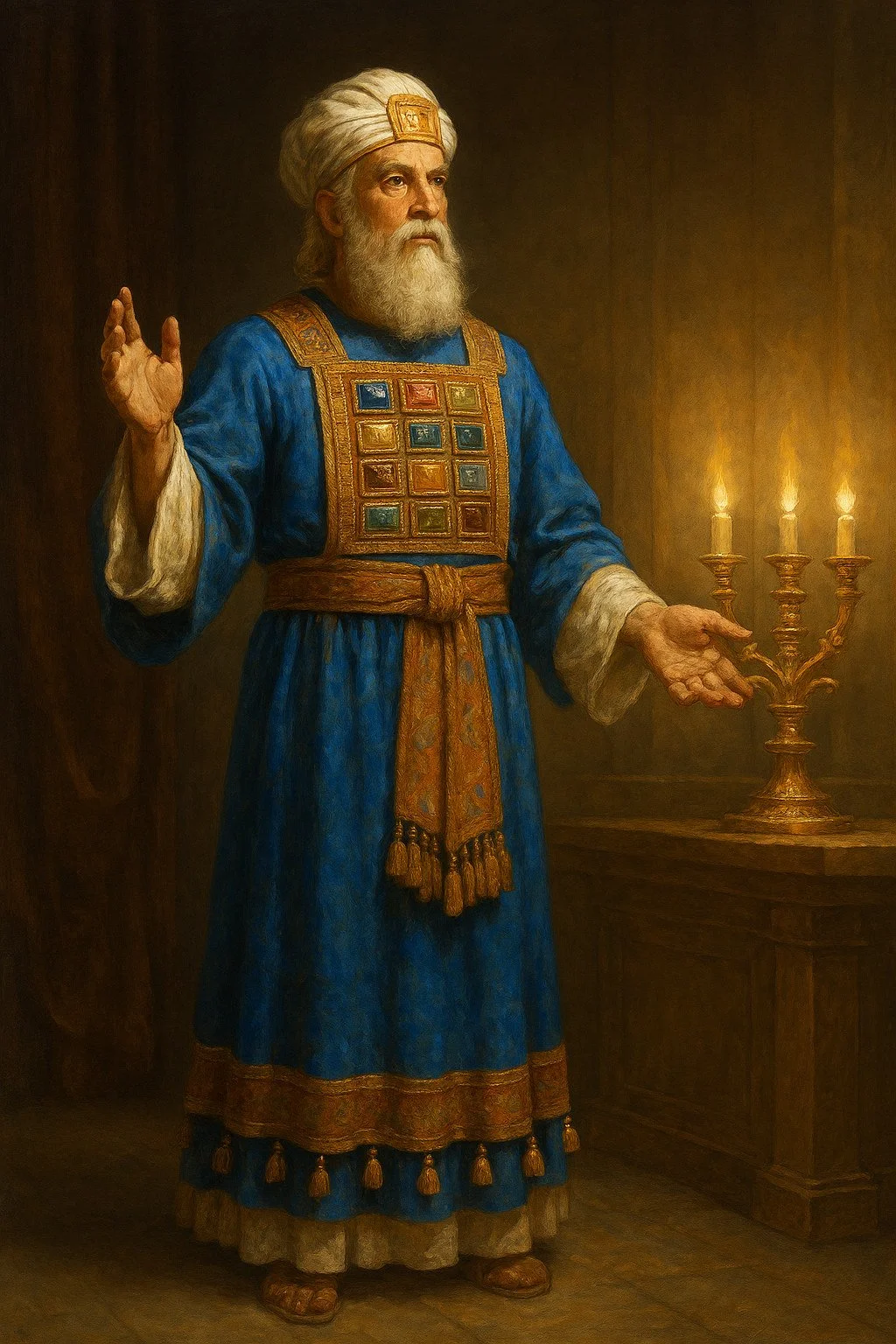
Exodus 28-29
These chapters emphasize the seriousness of holiness, the cost of atonement, and God’s desire for continual relationship with His people through structured worship and generational service.

Exodus Chapters 25 - 27
Overall, these chapters illustrate the significance of worship, community contribution, and obedience to God’s commands.
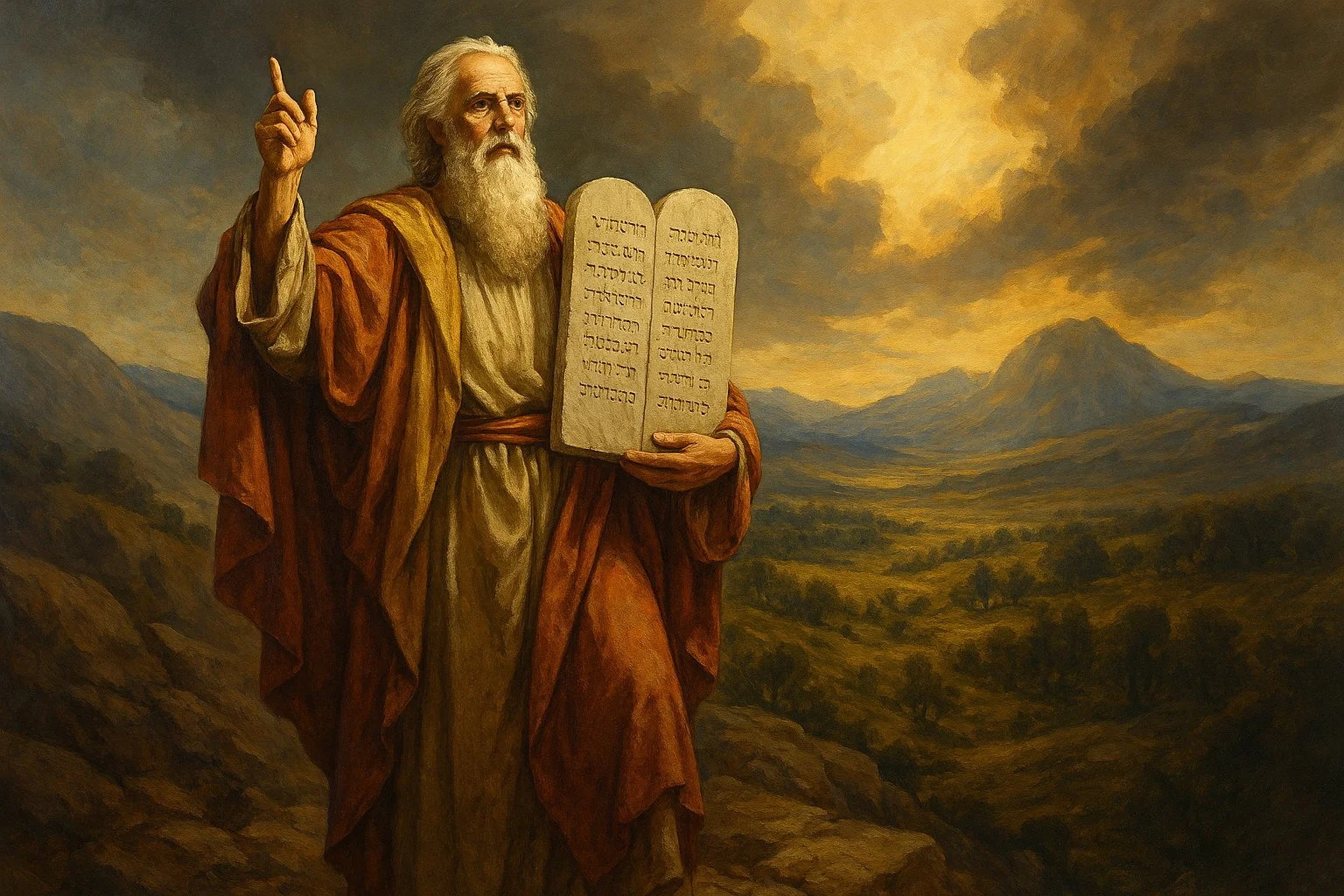
Exodus Chapters 22-24
Exodus 22–24 establishes foundational laws emphasizing restitution, justice, and personal responsibility, with special care for the vulnerable and prohibitions against idolatry and injustice. These chapters institute moral and ceremonial principles, festivals, and Sabbath observance, while underscoring exclusive loyalty to God. The covenant is formally ratified, highlighting the people's commitment to obedience and the blessings that follow, as well as the seriousness of their relationship with God.
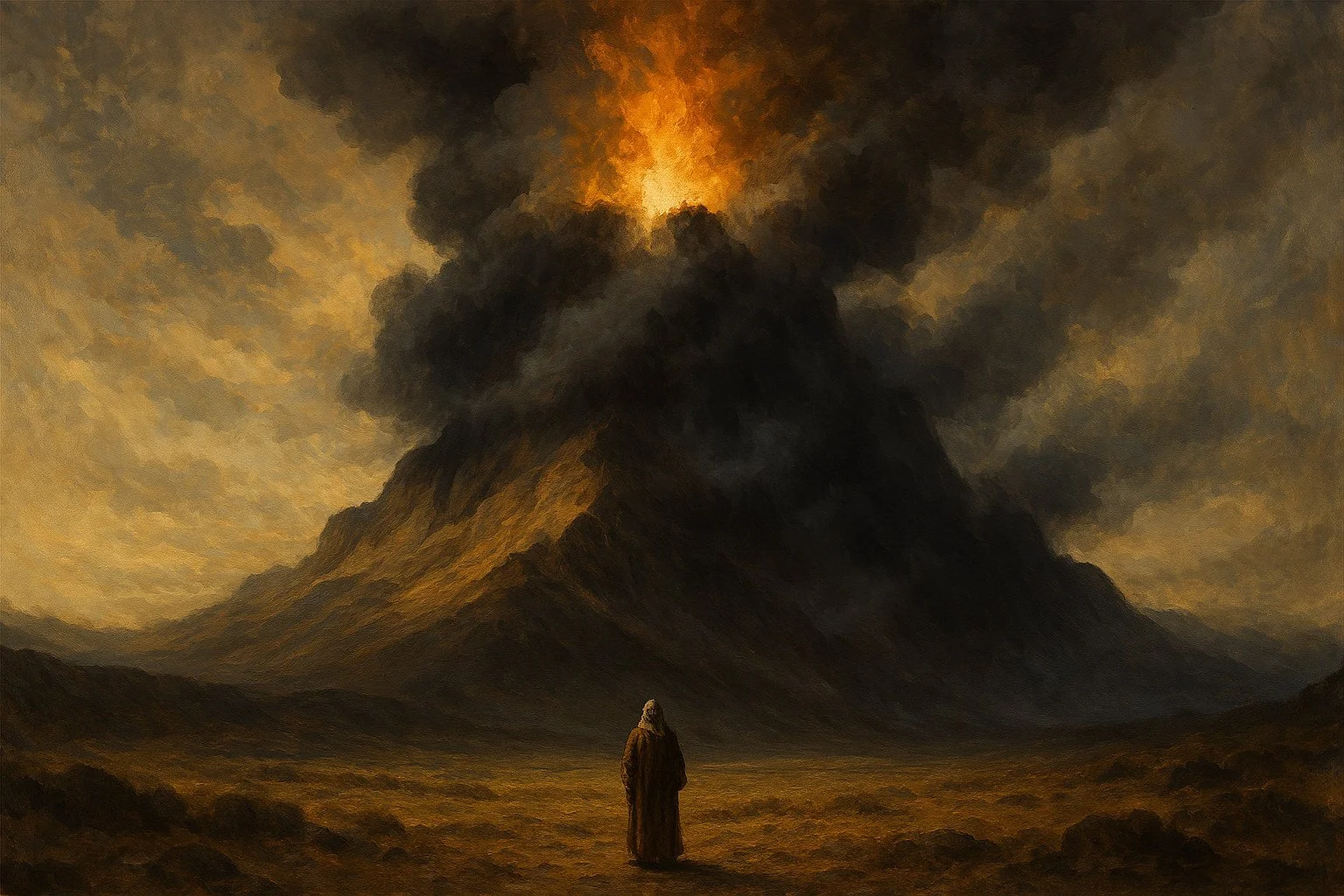
Exodus Chapters 19 - 21
The dramatic events at Sinai emphasize God’s holiness, the need for reverence, and the call to obedience. These chapters highlight God’s desire for a holy nation, the importance of understanding both the letter and spirit of the law, and the transformation that comes through living in alignment with God’s will.