

Chronological Study of the Bible.
Reading the Bible in chronological order follows the sequence of events as they occurred historically (based on scholarly research), rather than the traditional canonical order. This approach helps connect historical narratives, interweave Psalms and prophetic writings with related events, and provide better context (e.g., placing Job during the patriarchal period and harmonizing Gospel accounts).
Chronological Bible Study
-
Genesis 1 -3 January 1
Genesis 4 - 7 January 2
Genesis 8 - 11 January 3
Chapter 12-15 January 16
Chapters 16-18 January 17
Chapters 19-21 January 18
Chapters 22 - 24 January 19
Chapters 25 - 26 January 20
Chapters 27-29 January 21
Chapters 30-31 January 22
Chapters 32-34 January 23
Chapters 35 - 37 January 24
Chapters 38 - 40 January 25
Chapters 41-42 January 26
Chapters 43-45 January 27
Chapters 46-47 January 28
Chapters 48 - 50 January29
-
Chapter 1 - 5 January 4
Chapter 6 -9 January 5
Chapter 10 -13 January 6
Chapter 14-16 January 7
Chapter 17 -20 January 8
Chapter 21-23 January 9
Chapter 24-28 January 10
Chapter 29-31 January 11
Chapter 32-34 January 12
Chapter 35-37 January 13
Chapter 38-39 January 14
Chapter 40-42 January 15
-
Chapters 1 -3 January 30
Chapters 4-6 January 31
Chapters 7 -9 February 1
Chapters 10 - 12 February 2
Chapters 13 - 15 February 3
Chapters 16 - 18 February 4
Chapters 19-21 February 5
Chapters 22 - 24 February 6
Chapters 25 - 27 February 7
Chapters 28 - 29 February 8
Chapters 30 - 32 February 9
Chapters 33 - 35 February 10
Chapters 36 - 38 February 11
Chapters 39 - 40 February 12
-
Chapters 1 - 4 February 13
Chapters 5 - 7 February 14
Chapters 8 - 10 February 15
Chapters 11 - 13 February 16
Chapters 14 - 15 February 17
Chapters 16 - 18 February 18
Chapters 19 - 21 February 19
Chapters 22 - 23 February 20
Chapters 24 - 25 February 21
Chapters 26 - 27 February 22
-
Chapters 1 - 2 February 23
Chapters 3 - 4 February 24
Chapters 5 - 6 February 25
Chapters 7 February 26
Chapters 8-10 February 27
Chapters 11 - 13 February 28
Chapters 14 - 15, Psalm 90 March 1
Chapters 16 - 17 March 2
Chapters 18 - 20 March 3
Chapters 21-22 March 4
Chapters 23 - 25 March 5
Chapters 26 - 27 March 6
Chapters 28 - 30 March 7
Chapters 31 - 32 March 8
Chapters 33 - 34 March 9
Chapters 35-36 March 10
-
Chapters 1 - 2 March 11
Chapters 3 - 4 March 12
Chapters 5 - 7 March 13
Chapters 8-10 March 14
Chapters 11 - 13 March 15
Chapters 14 - 16 March 16
Chapters 17 - 20 March 17
Chapters 21 - 23 March 18
Chapters 24 - 27 March 19
Chapters 28 - 29 March 20
Chapters 30-31 March 21
Chapters 32 - 34, Psalm 91 March 22
-
Chapters 1 - 4 March 23
Chapter 5 - 8 March 24
Chapters 9 - 11 March 25
Chapters 12 - 15 March 26
Chapters 16 - 18 March 27
Chapters 19 -21 March28
Chapters 22 - 24 March 29
-
Chapters 1 - 2 March 30
Judges 3 - 5 March 31
Judges 6 - 7 April 1
Judges 8-9 April 2
Judges 10 - 12 April 3
Judges 13 - 15 April 4
Judges 16 - 18 April 5
Judges 19 - 21 April 6
-
Chapters 1 - 4 April 7
-
Psalm 90, Psalm 91, 11 & 59 April 13
7,27,31,34,52 April 15
56, 120, 140-142 April 16
17,35, 54,63 April 18, 18 April 19
121,123-125,128-130 April 20
6, 8 - 10, 14, 16, 19, 21 April 22
43 - 45, 49, 84 - 85, 87 April 24
73, 77 -78 April 26
81, 88, 92-93 April 28
102 - 104 April 30
1, 2, 15, 22-24, 47, 68 May 5
89, 96, 100, 101, 105, 132 May 6
25, 29, 33, 36, 39 May 8
50, 53, 60, 75 May 10, 20 May 11
65-67, 69, 70 May 12
32, 51, 86, 122 May 14
3-4, 12-13, 28, 55 May 16
26, 40, 58, 61-62, 64 May 18
5, 38, 41 - 42 May 20
57 May 21
95, 97 - 99 May 22
30 May 23
108-110 May 24
131,138, 139, 143 - 145 May 26
27 May 27
111 - 118 May 28
37, 71, 94 May 29
119 May 30
72 June 1
136 June 14
134, 146 - 150 June15
-
Chapters 1-3 April 8
Chapters 4-8 April 9
Chapters 9 - 10 April 10
Chapters 13 -14 April 11
Chapters 15-17 April 12
Chapters 18 - 20, Psalm 11,59 April 13
Chapter 21-24 April 14
Chapters 25 - 27 April 17
Chapters 28 -31 April 19
-
Chapters 1 - 4 April 21
Chapter 5 May 1
Chapter 6-7 May 7
Chapter 8-9 May 9
Chapter 10 May 11
Chapters 11-12 May 13
Chapters 13- 15 May 15
Chapters 16 - 18 May 17
Chapter 19 - 21 May 19
Chapters 22 - 23 May 21
Chapter 24 May23
-
Chapter 1 - 2 April 23
Chapter 3 - 5 April 25
Chapter 6 April 27
Chapter 7 - 10 April 29
Chapter 11-12 May 1
Chapter 13 - 16 May 4
Chapter 17 May 7
Chapter 18 May 9,
Chapter 19, May 11
Chapter 20 May 13
Chapters 21-22 May 23
Chapters 23 - 25 May 25
Chapter 26 - 29 May 27
-
Chapter 1 June 1
Chapter 2 - 3 June 11
Chapter 4 June 12
Chapter 5 June 13
Chapter 6 - 7 June 14
Chapter 8 June 16
Chapter 9 June 21
Chapter 10 - 12 June 24
Chapter 13 - 16 June 25
Chapter 17 June 26
Chapter 18 June 29
Chapter 19 - 23 June 30
-
Chapters 1 - 2 May 29
Chapters 3 - 4 May 31
Chapter 5-6 June 11
Chapter 7 June 12
Chapter 8 June 13
Chapter 9 June 16
Chapters 10 - 11 June 21
Chapters 12 - 14 June 23
Chapter 15 June 25
Chapter 16 June 26
Chapter 17 - 19 June 27
Chapters 20 - 21 June 28
Chapter 22 June 29
-
Item description
-
Item description
-
-
Chapters 1 - 8 June 2
-
Chapter 1 - 6 June 19
Chapters 7 - 12 June 20
-
Item description
-
Item description
-
Description text goes here
-
Description text goes here
-
Description text goes here
-
Description text goes here
-
Description text goes here
-
Description text goes here
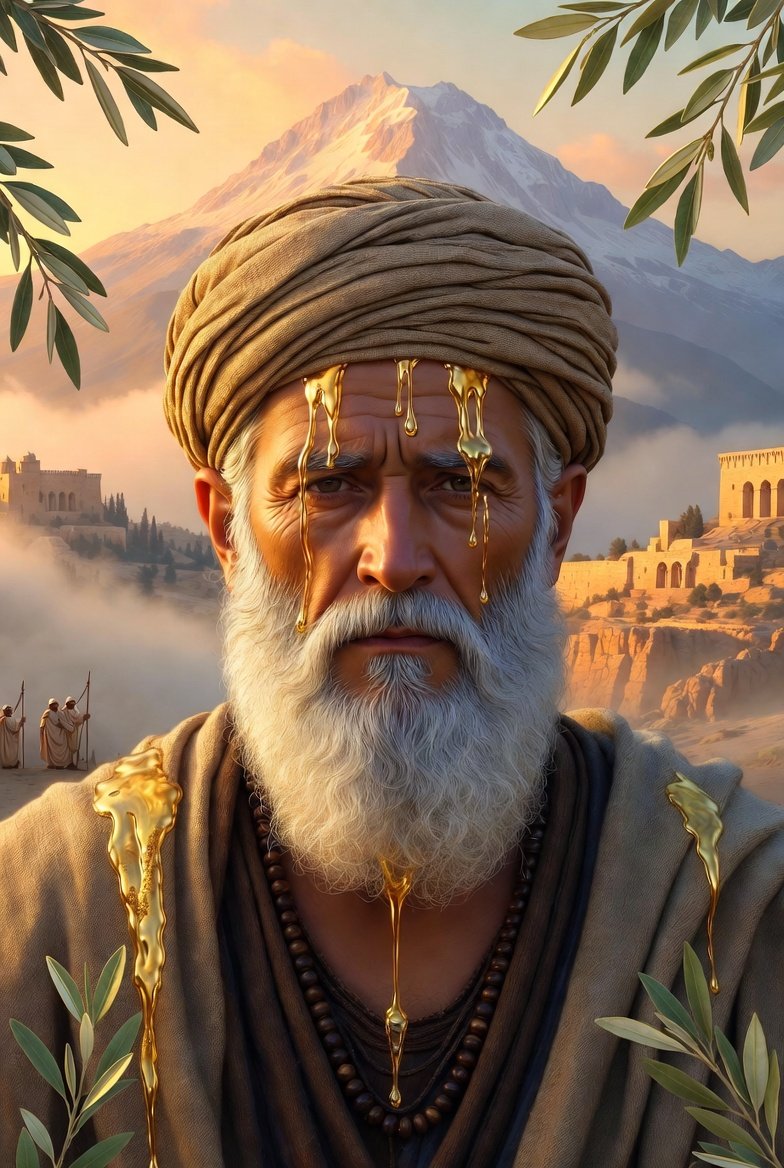
Psalm 133
Psalm 133 is a short but profound psalm in the Book of Psalms (one of the shortest, with just three verses). It celebrates the goodness and pleasantness of unity among God’s people, using vivid imagery of anointing oil and dew. Its historical context is rooted in ancient Israelite life, worship, and national experiences.
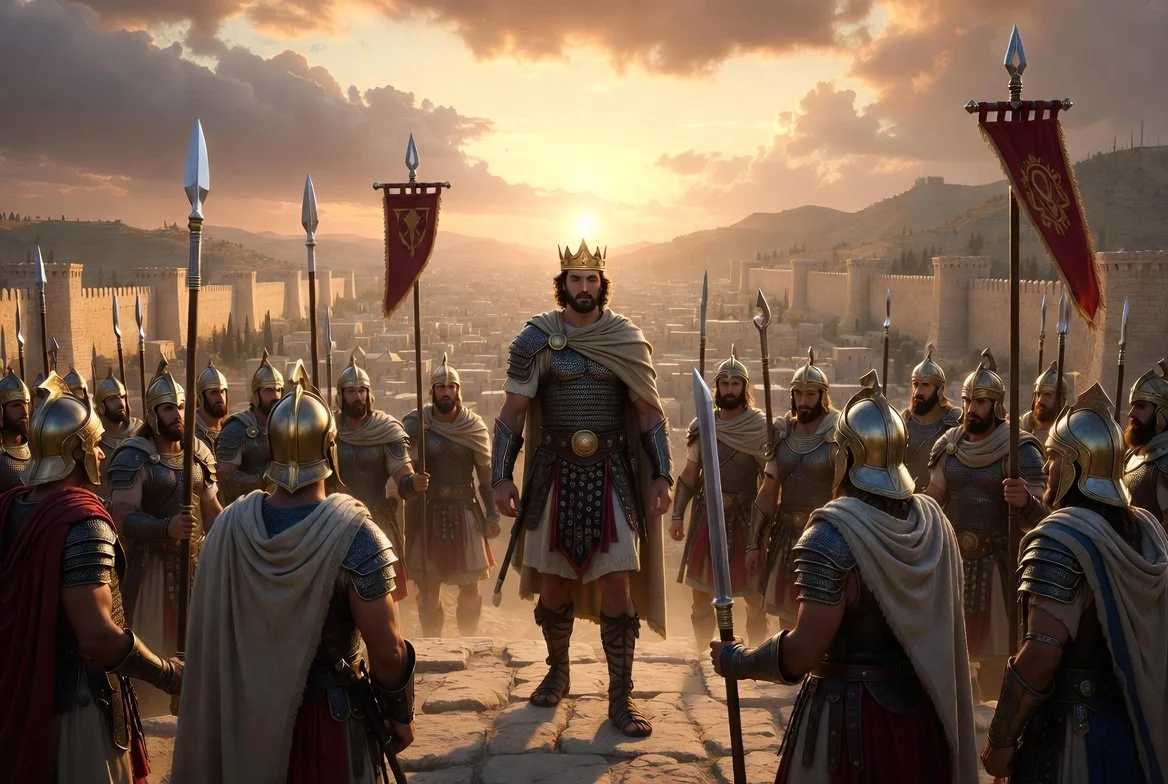
2 Samuel 5, 1 Chronicles 11 - 12
David is finally anointed king over all Israel at Hebron, and the nation unites under his leadership. These chapters describe how David captures the stronghold of Zion (Jerusalem), making it his capital city, and how mighty warriors from all the tribes flock to him, demonstrating the Lord’s blessing and the establishment of David’s kingdom.

Psalm 102 - 104
These three psalms form a beautiful spiritual journey that mirrors the rhythm of real life with God. Reading them in sequence gives a clear roadmap for how to live faithfully, especially when life feels heavy, uncertain, or ordinary.
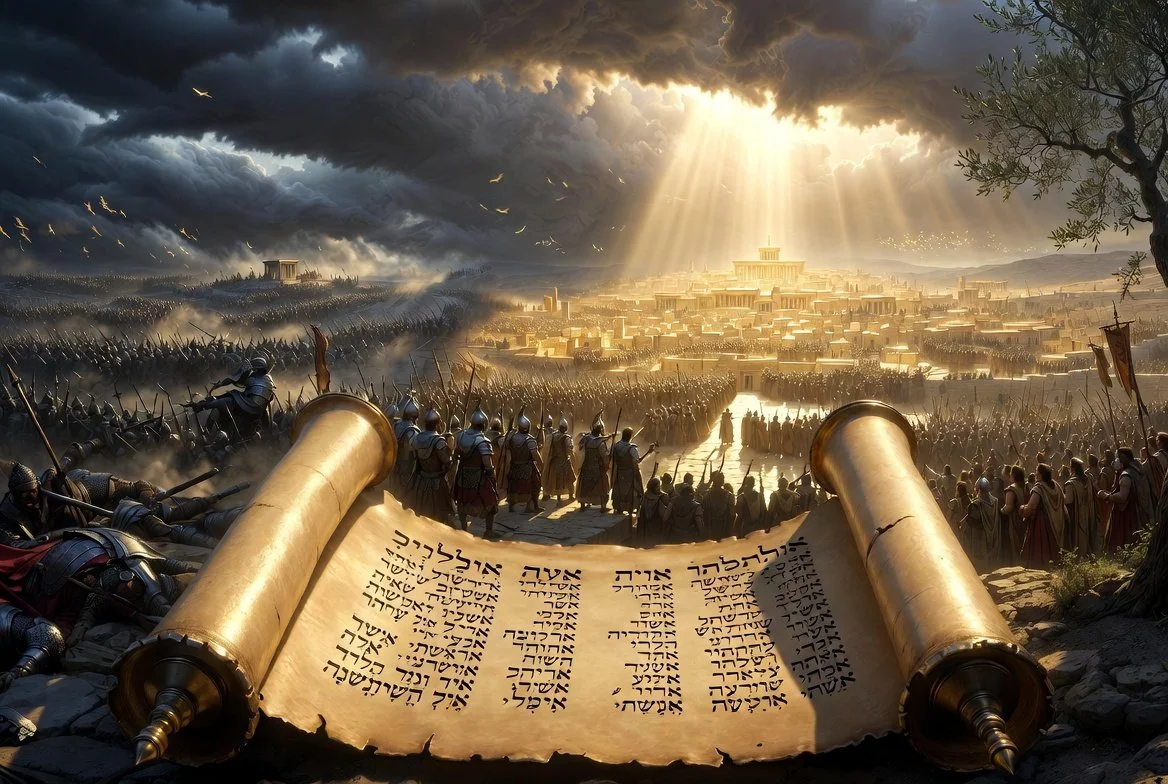
1 Chronicles Chapters 7-10
1 Chronicles 7–10 teaches that God is faithfully at work in the details of His people’s lives and history, ordering everything toward His redemptive purposes. The genealogies remind us that we, too, are part of God’s ongoing story—called to faithfulness, worship, and trust in His sovereign plan.
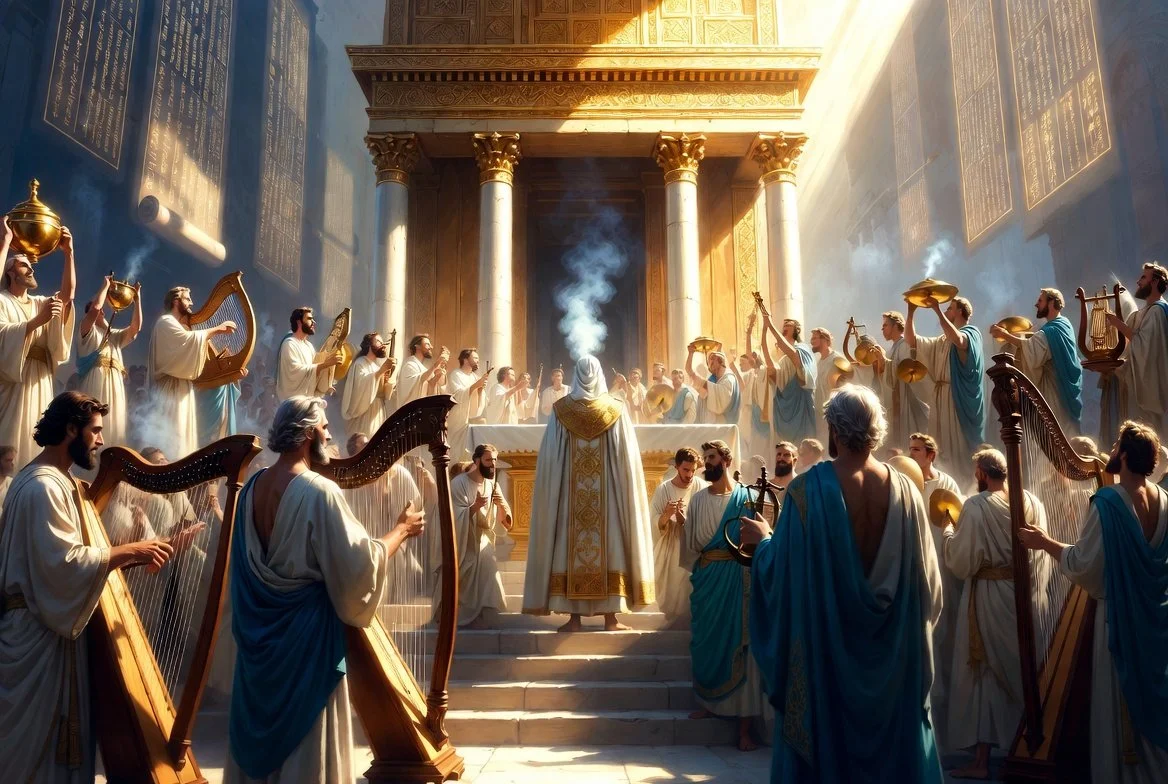
1 Chronicles Chapter 6
1 Chronicles 6 is a detailed chapter focused entirely on the tribe of Levi — the priestly tribe God set apart for special service to Him. It is placed centrally in the genealogies of 1 Chronicles, highlighting its spiritual importance alongside the royal line of Judah.

Psalm 73, 77-78
Together these Psalm teach that faith is sustained by drawing near to God, remembering His works, and passing on His story—even (especially) when life is hard or confusing. They point us to ultimate hope in God’s presence, justice, and steadfast love.
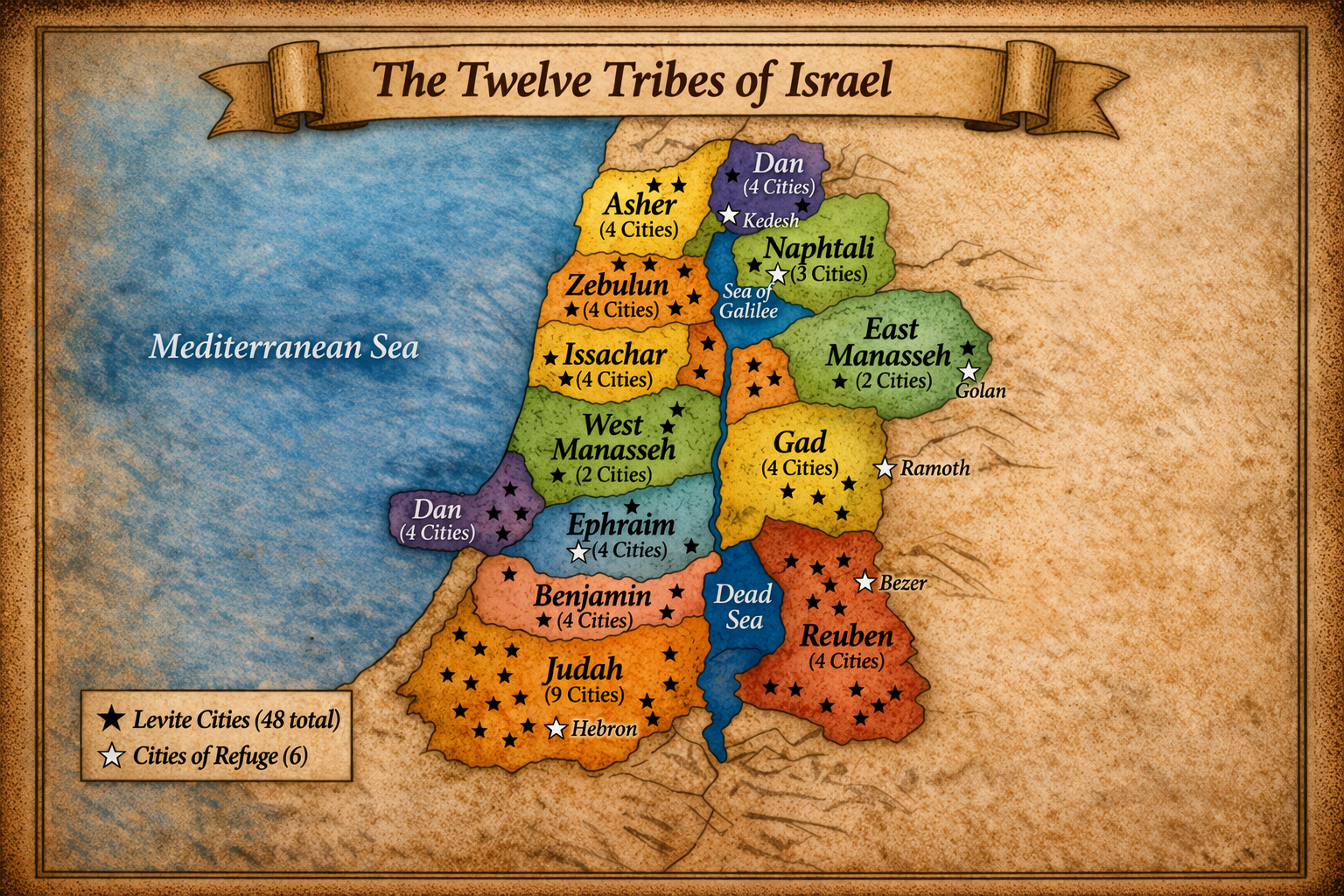
1 Chronicles Chapter 3 - 5
These chapters continue the extensive genealogies that dominate the beginning of 1 Chronicles, showing how God has worked faithfully through generations of His people.
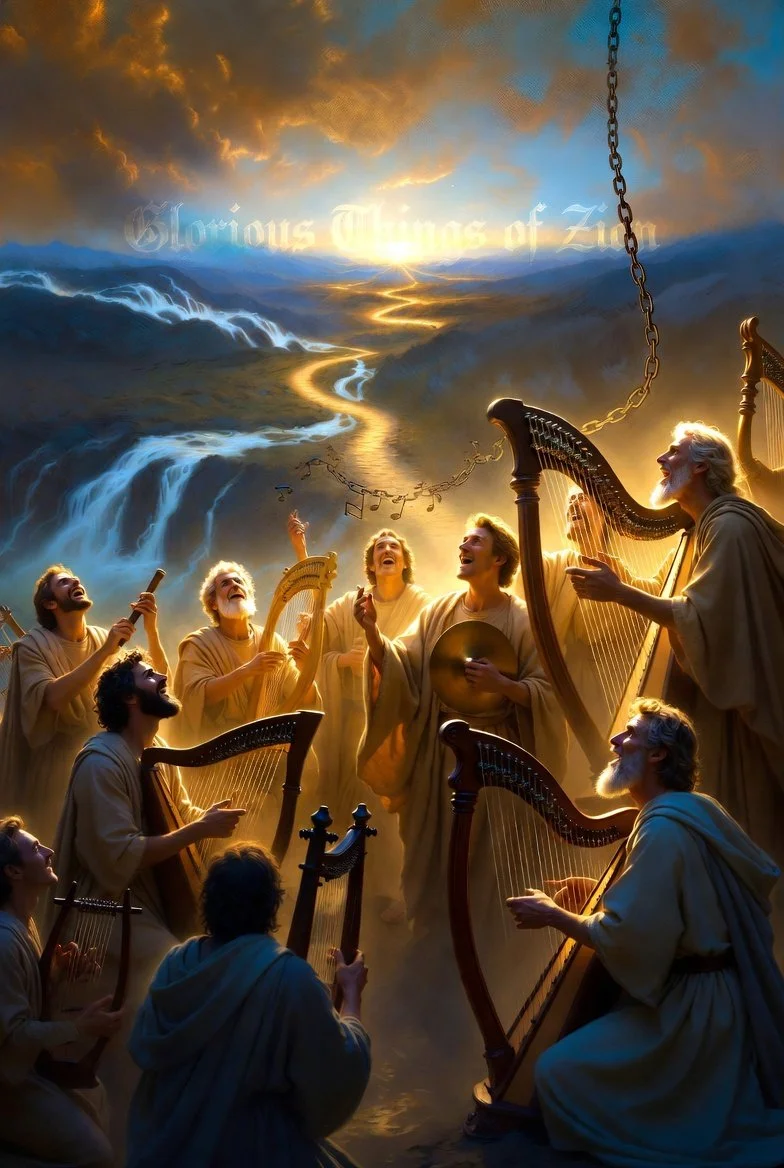
Psalms 43-45,49,84-85 and 87
These are mostly attributed to the sons of Korah (a Levitical family known for temple worship and music). They cover a range of emotions and themes: personal longing amid distress, national suffering, royal celebration, wisdom about wealth and death, deep desire for God's presence, prayers for revival, and joy in God's city.
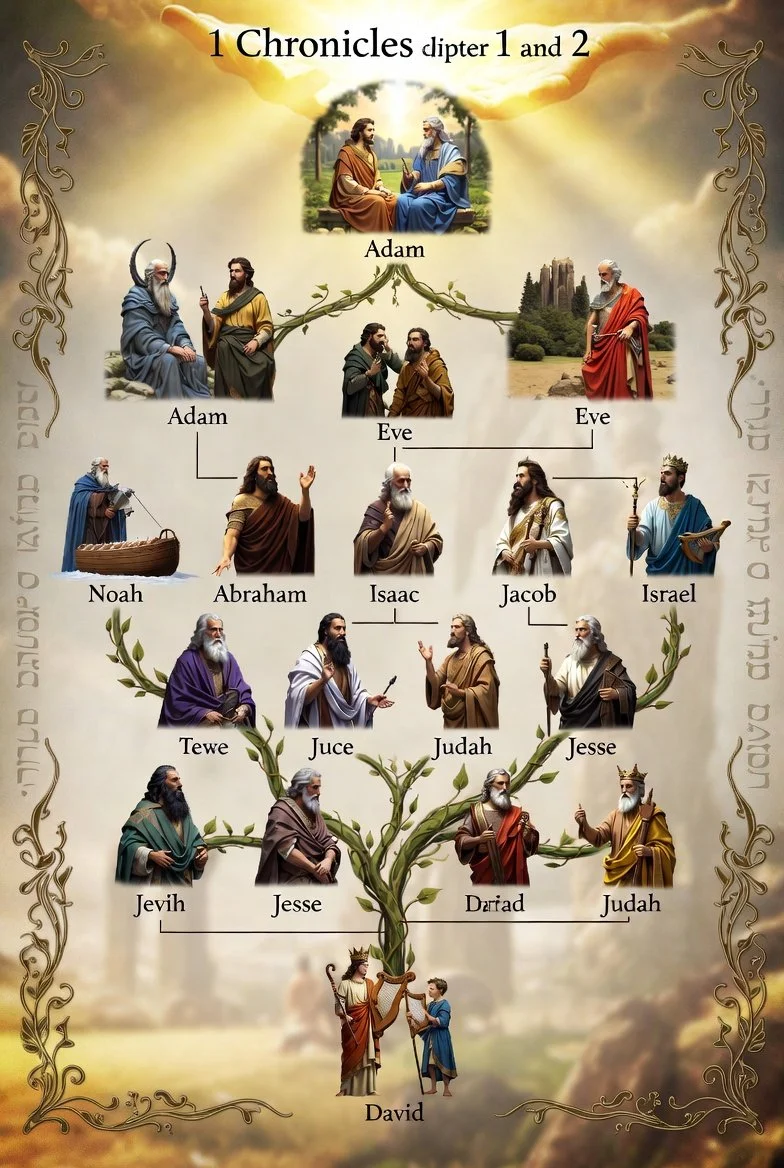
1 Chronicles Chapters 1 - 2
1 Chronicles Chapters 1 and 2 form the beginning of a long section of genealogies (chapters 1–9) that opens the book. Written after the Babylonian exile, these lists helped the returning Israelites reconnect with their identity, heritage, and God’s ongoing faithfulness.

Psalm 6, 8-10,14,16,19,21
These psalms were all written by David and form a powerful mini-collection that moves from raw honesty in suffering, through awe at God’s greatness, to deep trust and joyful praise.
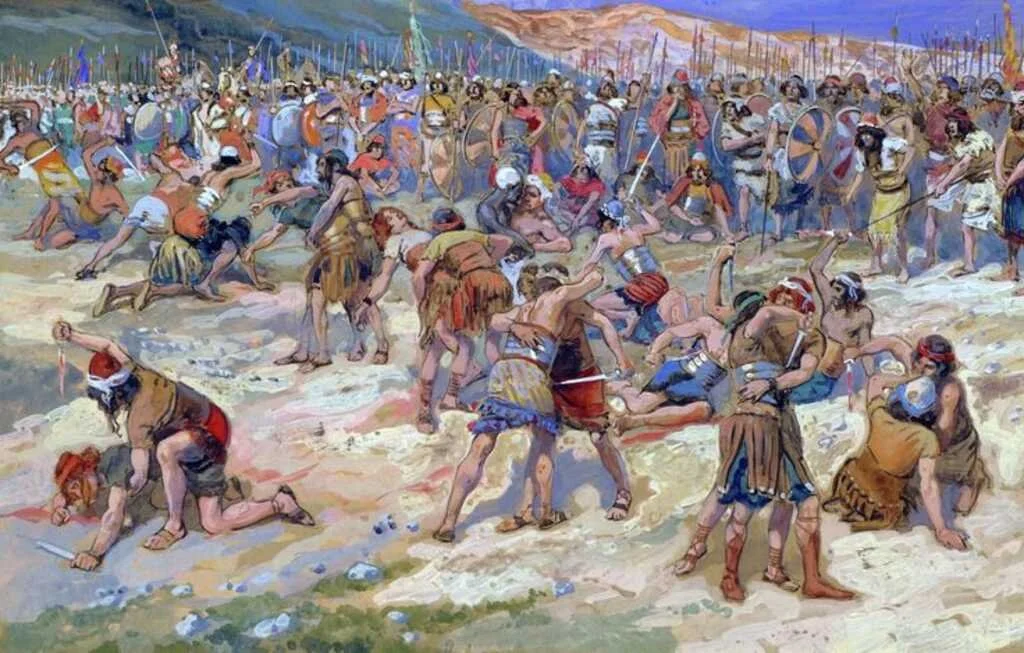
2 Samuel Chapters 1 - 4
These chapters describe the chaotic transition from the reign of Saul to the reign of David. They show how God sovereignly removes Saul’s house from power and gradually establishes David as king — not through David’s ambition or violence, but through God’s timing and David’s patient, honorable character.
1 Samuel Chapters 28 - 31, Psalm 18
The lesson from these chapters is clear: true strength and lasting victory come not from our own power or clever strategies, but from a heart that turns to the Lord in every trial.

Psalms 17, 35, 54 and 63
In these four powerful psalms, David pours out his heart to God amid threats, betrayal, and wilderness trials. Together, they teach us how to pray with raw honesty—crying out for protection, vindication, and justice—while leading us into deeper trust, intimate refuge under God’s wings, and soul-satisfying communion with the Lord who is better than life itself.
1 Samuel Chapters 25 - 27
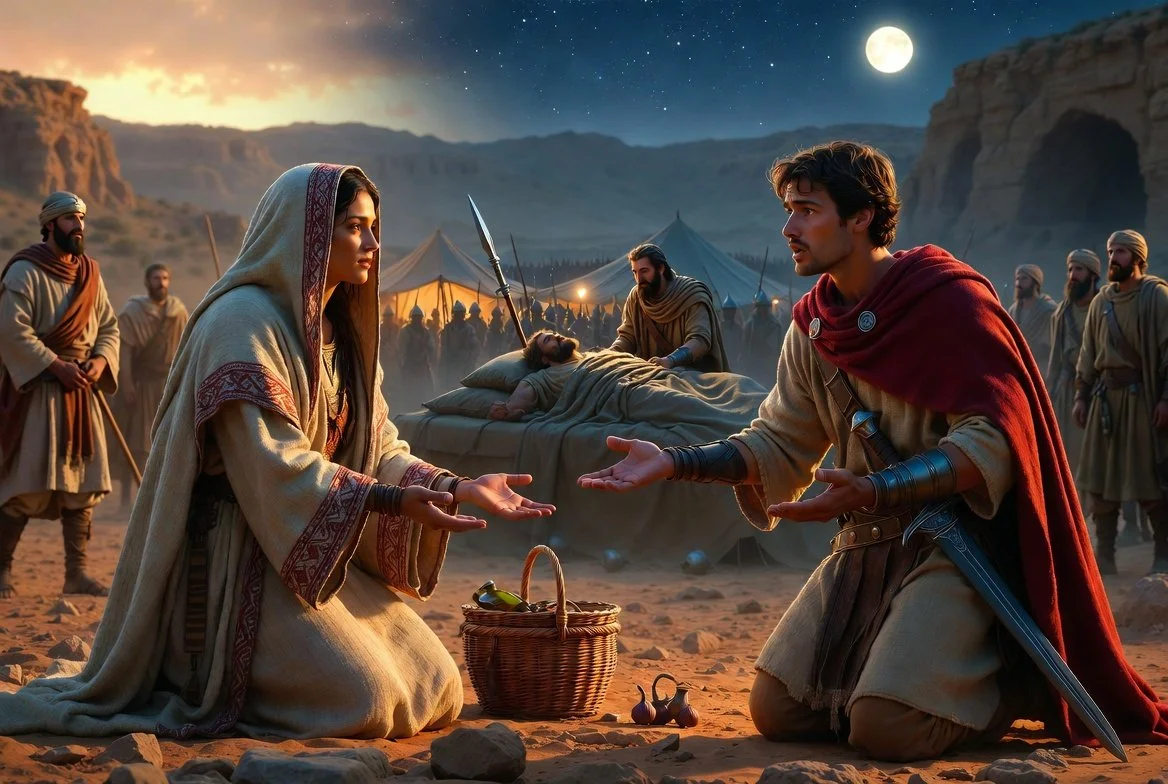
These chapters invite us to reflect on self-control, the value of wise counsel, trust in God’s timing, and the dangers of taking matters into our own hands.

Psalm 56, 120, 140, 141, 142
These Psalms form a heartfelt cry to God amid slander, hidden traps, violent enemies, and deep loneliness — while declaring unwavering trust in the Lord as refuge, protector, and portion. They teach honest lament, guarded speech, and confident hope that God hears every cry and will ultimately deliver His people.
Psalm 7,27,31,34,52
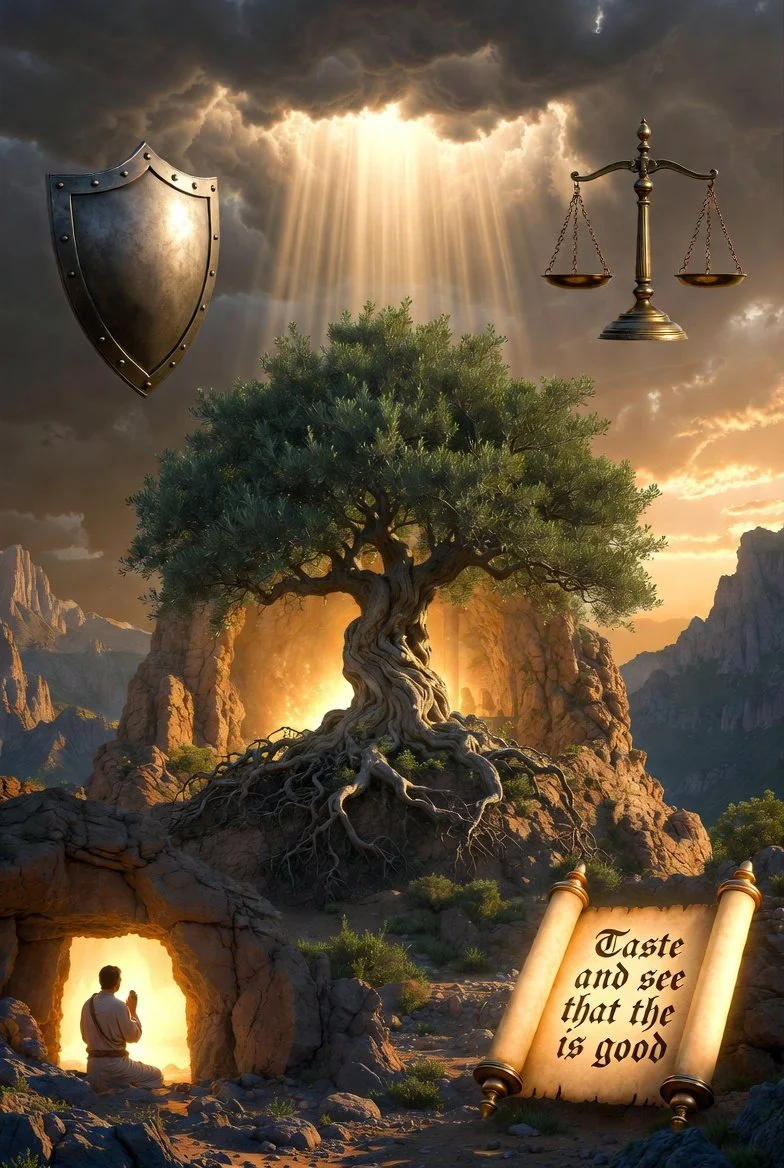
Several psalms attributed to David, capturing his raw emotions—fear, betrayal, desperation, and unwavering faith—during this season of exile and pursuit.

1 Samuel 21-24
1 Samuel 21–24. These chapters portray David as a fugitive on the run from the jealous and increasingly unstable King Saul.

1 Samuel Chapters 15 - 17
We meet young David, a humble shepherd boy whom God chooses and anoints—not for his outward appearance, but for his heart.
1 Samuel Chapters 9-12
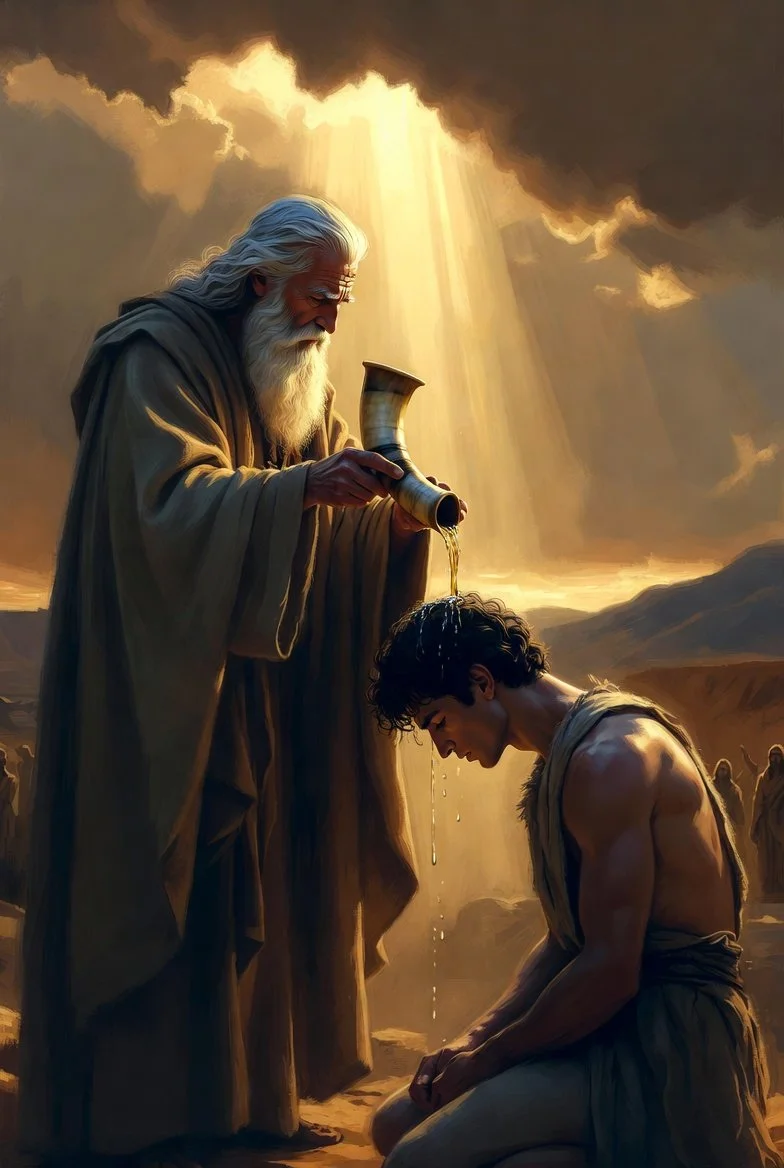
The rise of Saul, the first king of Israel. The Lord sovereignly directed the prophet Samuel to anoint a tall, handsome young man from the tribe of Benjamin named Saul as Israel’s leader.
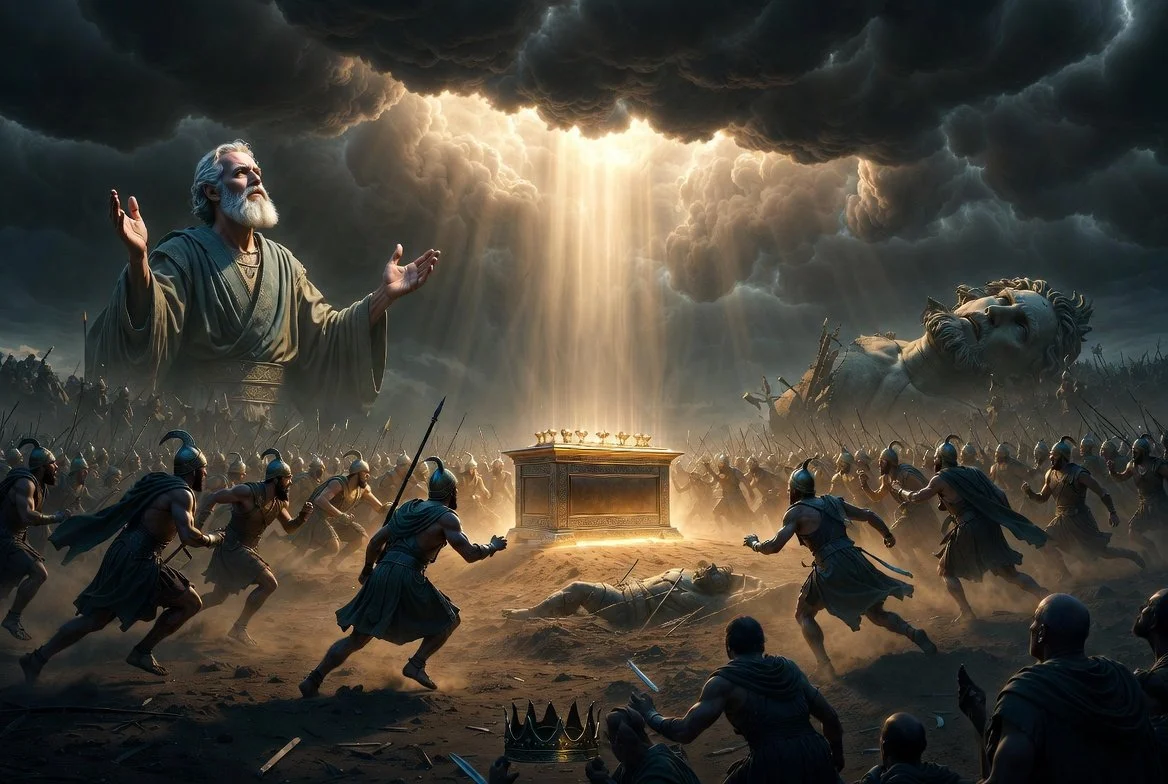
1 Samuel Chapters 4-8
These chapters describe a very dark and turbulent time in Israel’s history.