

Chronological Study of the Bible.
Reading the Bible in chronological order follows the sequence of events as they occurred historically (based on scholarly research), rather than the traditional canonical order. This approach helps connect historical narratives, interweave Psalms and prophetic writings with related events, and provide better context (e.g., placing Job during the patriarchal period and harmonizing Gospel accounts).
Chronological Bible Study
-
Genesis 1 -3 January 1
Genesis 4 - 7 January 2
Genesis 8 - 11 January 3
Chapter 12-15 January 16
Chapters 16-18 January 17
Chapters 19-21 January 18
Chapters 22 - 24 January 19
Chapters 25 - 26 January 20
Chapters 27-29 January 21
Chapters 30-31 January 22
Chapters 32-34 January 23
Chapters 35 - 37 January 24
Chapters 38 - 40 January 25
Chapters 41-42 January 26
Chapters 43-45 January 27
Chapters 46-47 January 28
Chapters 48 - 50 January29
-
Chapter 1 - 5 January 4
Chapter 6 -9 January 5
Chapter 10 -13 January 6
Chapter 14-16 January 7
Chapter 17 -20 January 8
Chapter 21-23 January 9
Chapter 24-28 January 10
Chapter 29-31 January 11
Chapter 32-34 January 12
Chapter 35-37 January 13
Chapter 38-39 January 14
Chapter 40-42 January 15
-
Chapters 1 -3 January 30
Chapters 4-6 January 31
Chapters 7 -9 February 1
Chapters 10 - 12 February 2
Chapters 13 - 15 February 3
Chapters 16 - 18 February 4
Chapters 19-21 February 5
Chapters 22 - 24 February 6
Chapters 25 - 27 February 7
Chapters 28 - 29 February 8
Chapters 30 - 32 February 9
Chapters 33 - 35 February 10
Chapters 36 - 38 February 11
Chapters 39 - 40 February 12
-
Chapters 1 - 4 February 13
Chapters 5 - 7 February 14
Chapters 8 - 10 February 15
Chapters 11 - 13 February 16
Chapters 14 - 15 February 17
Chapters 16 - 18 February 18
Chapters 19 - 21 February 19
Chapters 22 - 23 February 20
Chapters 24 - 25 February 21
Chapters 26 - 27 February 22
-
Chapters 1 - 2 February 23
Chapters 3 - 4 February 24
Chapters 5 - 6 February 25
Chapters 7 February 26
Chapters 8-10 February 27
Chapters 11 - 13 February 28
Chapters 14 - 15, Psalm 90 March 1
Chapters 16 - 17 March 2
Chapters 18 - 20 March 3
Chapters 21-22 March 4
Chapters 23 - 25 March 5
Chapters 26 - 27 March 6
Chapters 28 - 30 March 7
Chapters 31 - 32 March 8
Chapters 33 - 34 March 9
Chapters 35-36 March 10
-
Chapters 1 - 2 March 11
Chapters 3 - 4 March 12
Chapters 5 - 7 March 13
Chapters 8-10 March 14
Chapters 11 - 13 March 15
Chapters 14 - 16 March 16
Chapters 17 - 20 March 17
Chapters 21 - 23 March 18
Chapters 24 - 27 March 19
Chapters 28 - 29 March 20
Chapters 30-31 March 21
Chapters 32 - 34, Psalm 91 March 22
-
Chapters 1 - 4 March 23
Chapter 5 - 8 March 24
Chapters 9 - 11 March 25
Chapters 12 - 15 March 26
Chapters 16 - 18 March 27
Chapters 19 -21 March28
Chapters 22 - 24 March 29
-
Chapters 1 - 2 March 30
Judges 3 - 5 March 31
Judges 6 - 7 April 1
Judges 8-9 April 2
Judges 10 - 12 April 3
Judges 13 - 15 April 4
Judges 16 - 18 April 5
Judges 19 - 21 April 6
-
Chapters 1 - 4 April 7
-
-
Chapters 1-3 April 8
-
Description text goes here
-
Description text goes here
-
Description text goes here
-
Description text goes here
-
Description text goes here
-
Description text goes here
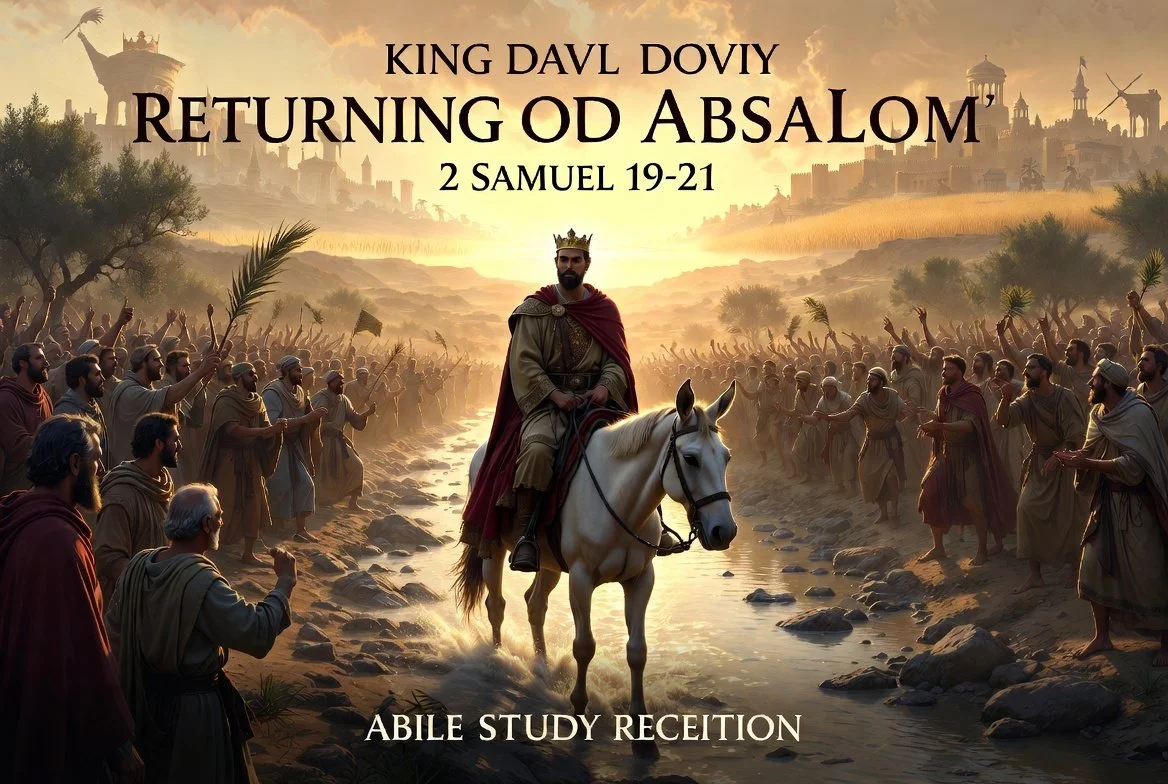
2 Samuel Chapters 19 -21
These chapters portray a restored but still broken kingdom. David experiences God’s mercy and faithfulness, yet faces the painful ripple effects of earlier sins (his own and Saul’s). They prepare the way for Solomon’s reign and, in the bigger picture of Scripture, highlight humanity’s need for the flawless King—Jesus Christ—who brings perfect justice, unity, and peace.

Psalms 26, 40, 58, 61, 62, and 64
These Psalms show David in various trials—false accusation, despair, injustice, overwhelm, opposition, and secret attacks—yet he consistently turns to God as his Rock, Refuge, and Righteous Judge. The common thread is trust in God’s character despite circumstances.

2 Samuel Chapters 16 - 18
2 Samuel 16–18 describes a pivotal episode in King David's life: his flight from Jerusalem during his son Absalom's rebellion, the political maneuvering in Absalom's camp, and the eventual defeat and death of Absalom.

Psalm 3-4,12-13, 28 and 55
These Psalms were written by David during times of deep personal crisis, and together they form a powerful collection of honest prayers in trouble.
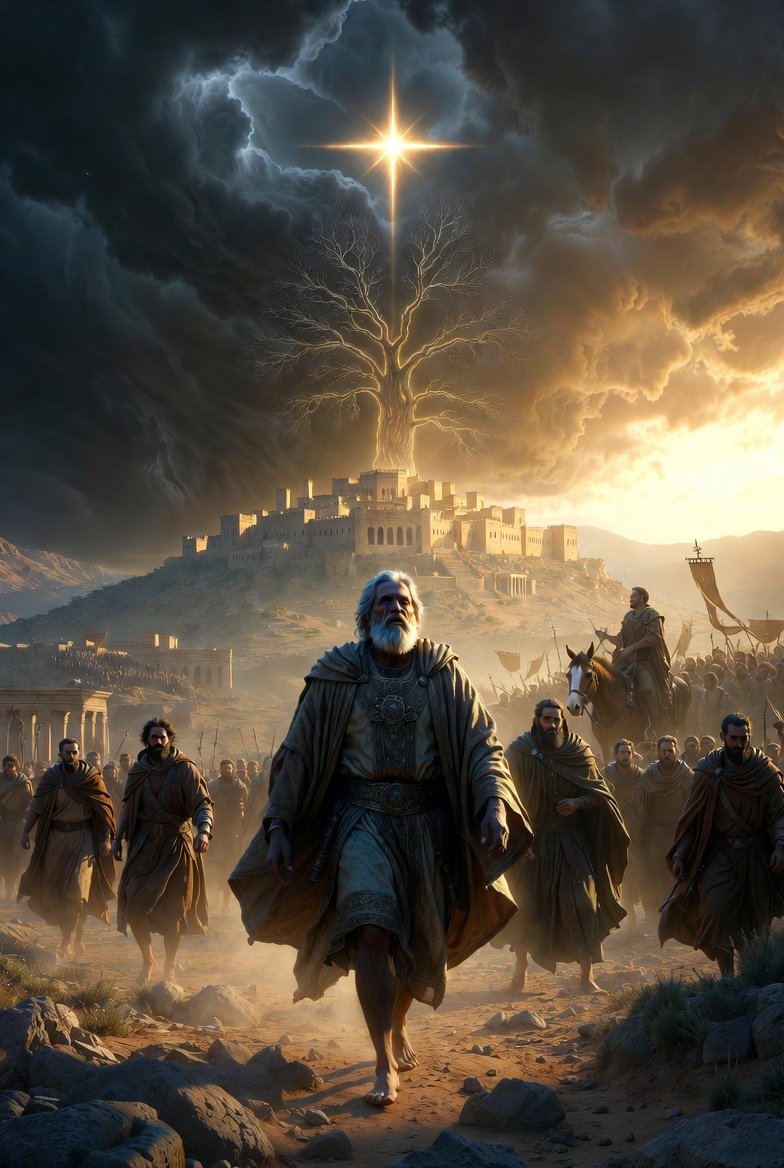
2 Samuel Chapters 13 -15
These chapters are hard to read because they are so realistic. The Bible does not hide the failures of its heroes. Instead, it shows us that even a “man after God’s own heart” can suffer terribly from his own choices—and yet God’s ultimate plan (leading to Solomon and eventually the Messiah) cannot be stopped.
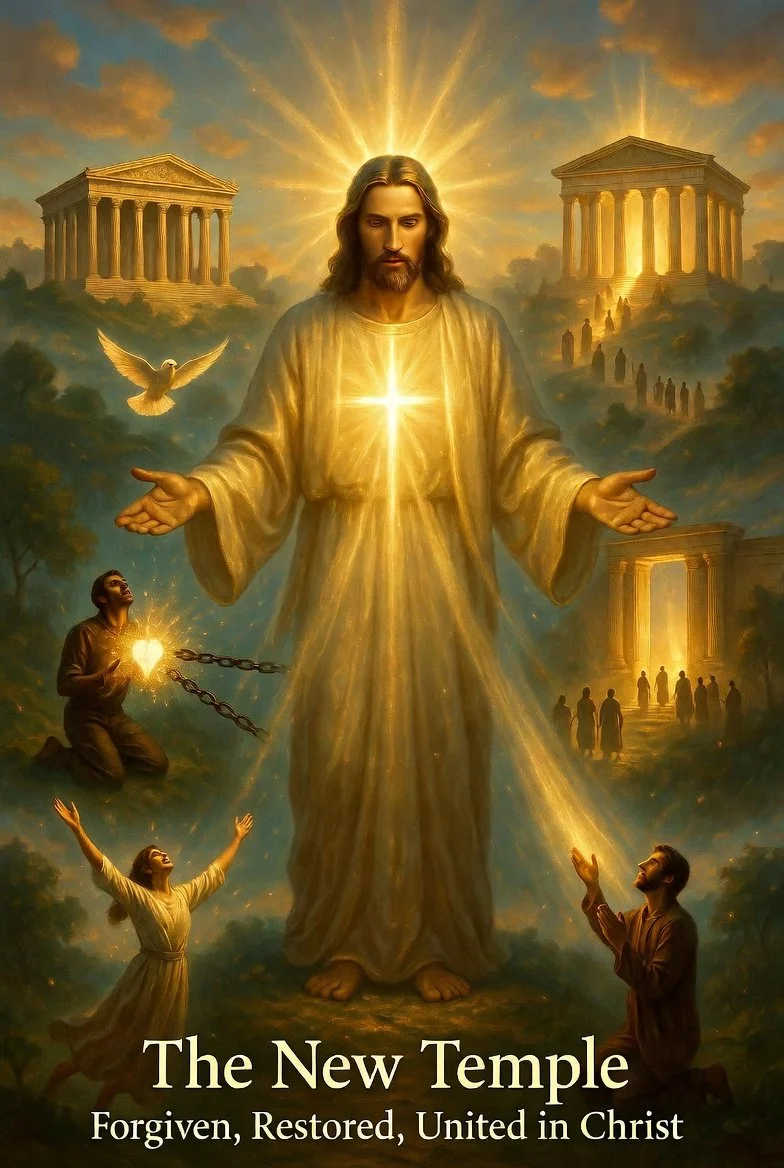
Psalm 32, 51, 86 and 122
These four psalms together paint a beautiful picture of the Christian life through God: confession and forgiveness (32), deep repentance and renewal (51), dependent prayer in weakness (86), and joyful worship and intercession (122). They show a God who forgives, restores, hears, and gathers His people in love
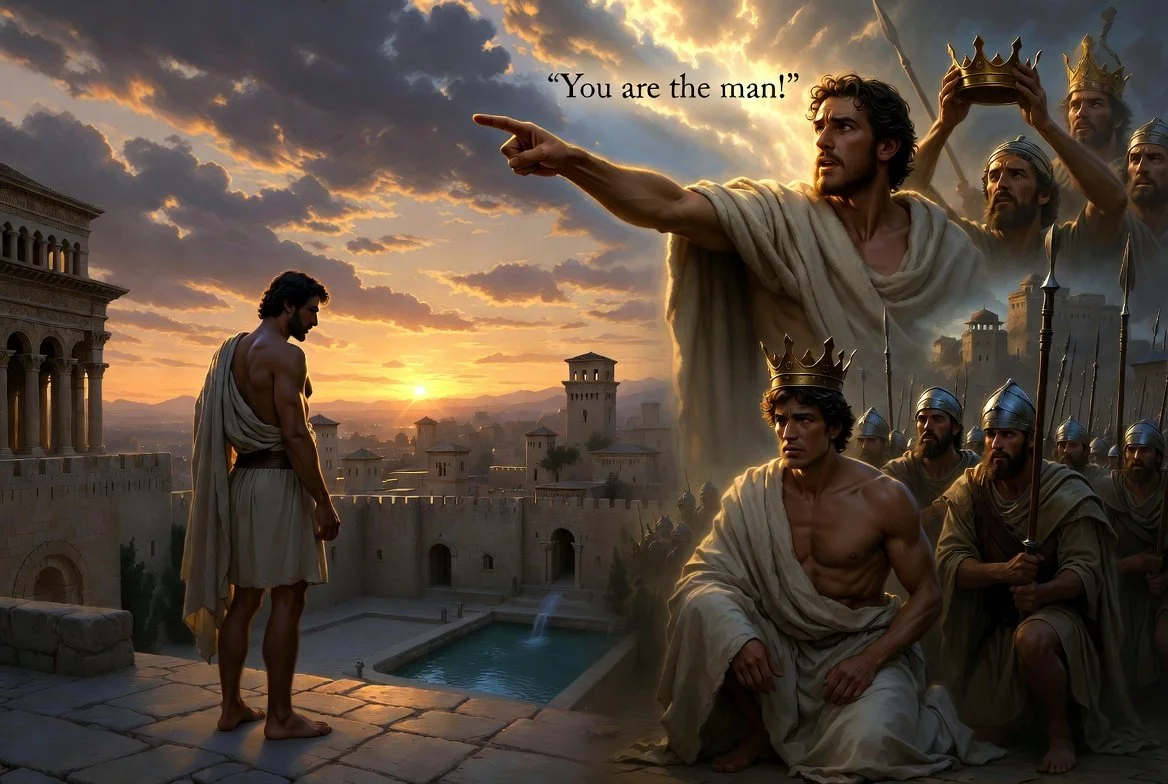
2 Samuel Chapters 11-12 and 1 Chronicles Chapter 20
What follows in 2 Samuel 11–12 is the tragic account of David’s adultery with Bathsheba, the murder of her husband Uriah, and the painful consequences that followed — including the confrontation by the prophet Nathan. In 1 Chronicles 20, the focus remains on the military victories as Joab captured the Ammonite capital of Rabbah.

Psalm 65,66,67,69 and 70
These five psalms together paint a rich picture of the life of faith:
Praise and thanksgiving for who God is and what He does (65–67).
Honest lament and urgent cries in times of trouble (69–70).
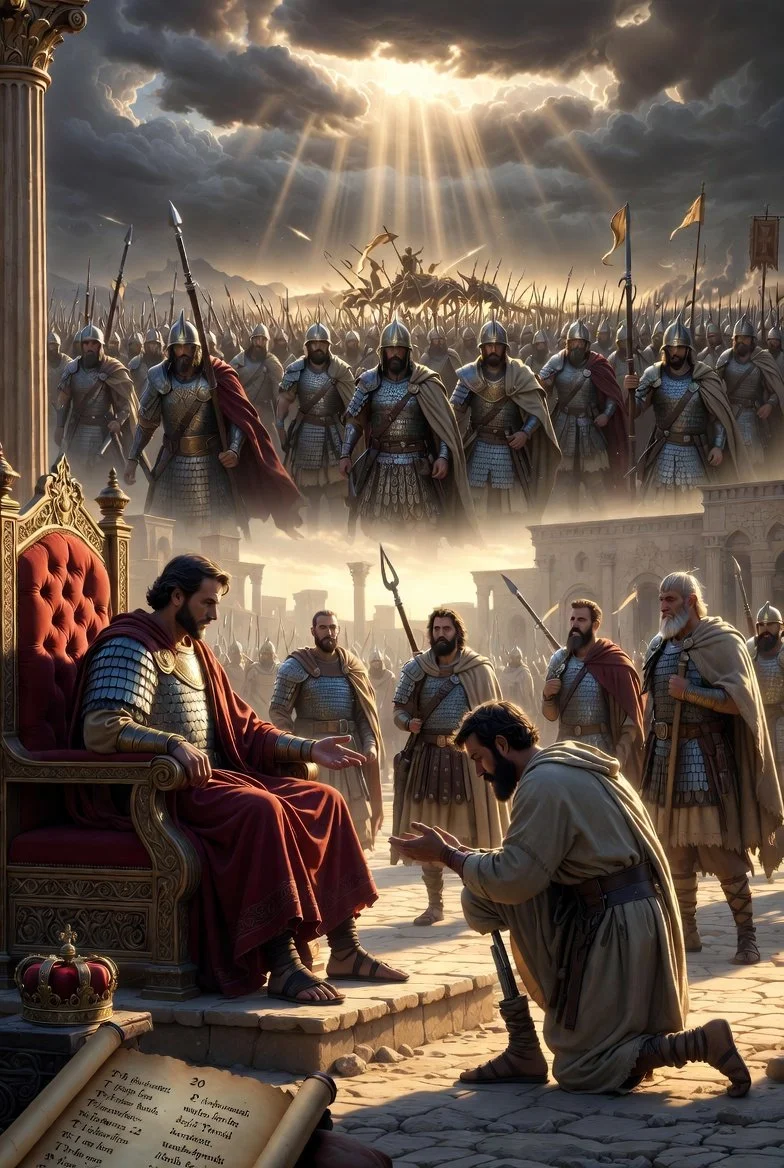
2 Samuel 10, 1 Chronicles 10 and Psalm 20
These two chapters tell the same story with slight differences in detail (1 Chronicles is a later retelling focused on the priestly/Levitical perspective). They describe how David’s genuine act of kindness backfires and leads to war.

Psalm 50, 53,60,75
These four psalms, all connected to the worship life of God’s people (written or compiled by Asaph or David), form a powerful quartet. Together they paint a vivid picture of who God is—the sovereign Judge, the owner of all creation, the defender of His people, and the One who alone controls the rise and fall of every person.

2 Samuel Chapters 8-9 and 1 Chronicles Chapter 18
In 2 Samuel 8 and 1 Chronicles 18, David achieves decisive military victories over surrounding nations, extending Israel’s borders and bringing peace and security to the kingdom — all because “the Lord gave David victory everywhere he went.”

Psalms 25,29,33,36 and 39
These five Psalms together paint a rich picture: trusting God in trouble (25), worshiping His power (29), praising His sovereignty (33), resting in His love amid evil (36), and living with eternity in view (39).
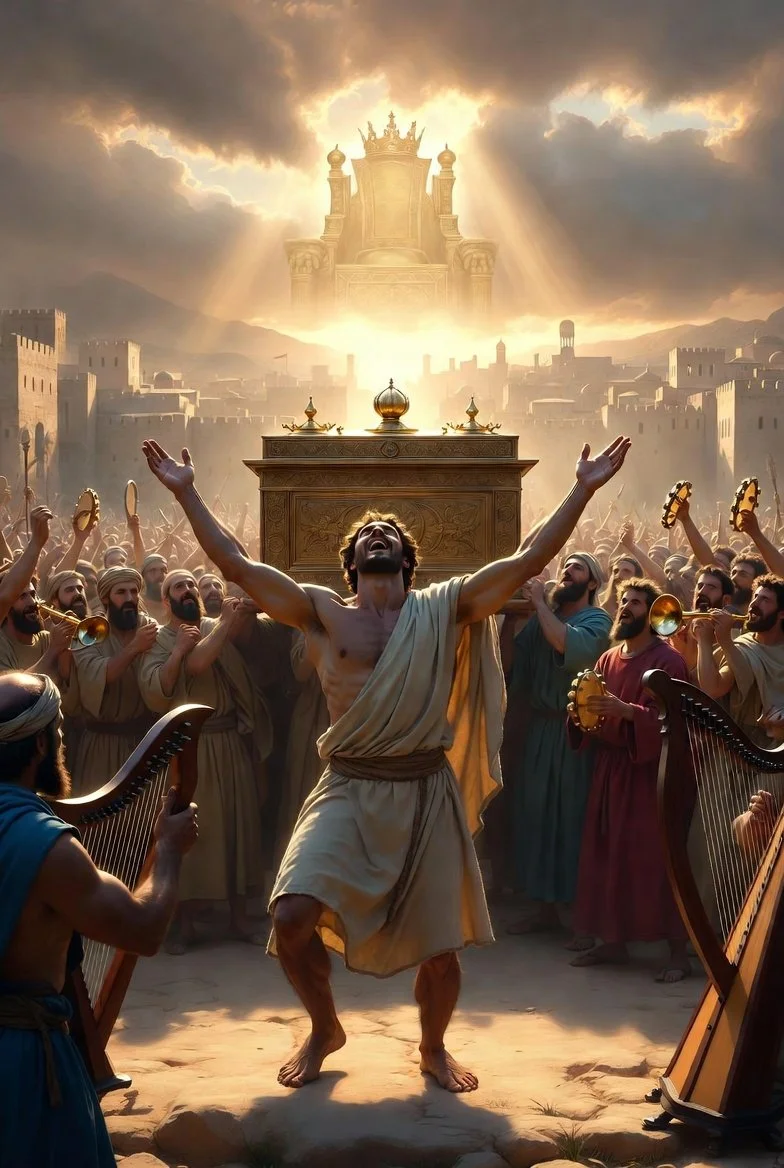
2 Samuel Chapters 6-7 and 1 Chronicles 17
These chapters form one of the most important turning points in the story of David and in the entire Bible. They reveal who God is, how He relates to His people, and how He advances His eternal plan of redemption

Psalms 89,96, 100,101, 105 and 132
These Psalms share strong themes of God’s kingship, covenant faithfulness (especially to David), universal praise, righteous living, and historical remembrance. Several (89, 101, 132) tie directly to the Davidic Covenant, while others (96, 100) emphasize worship for all nations.
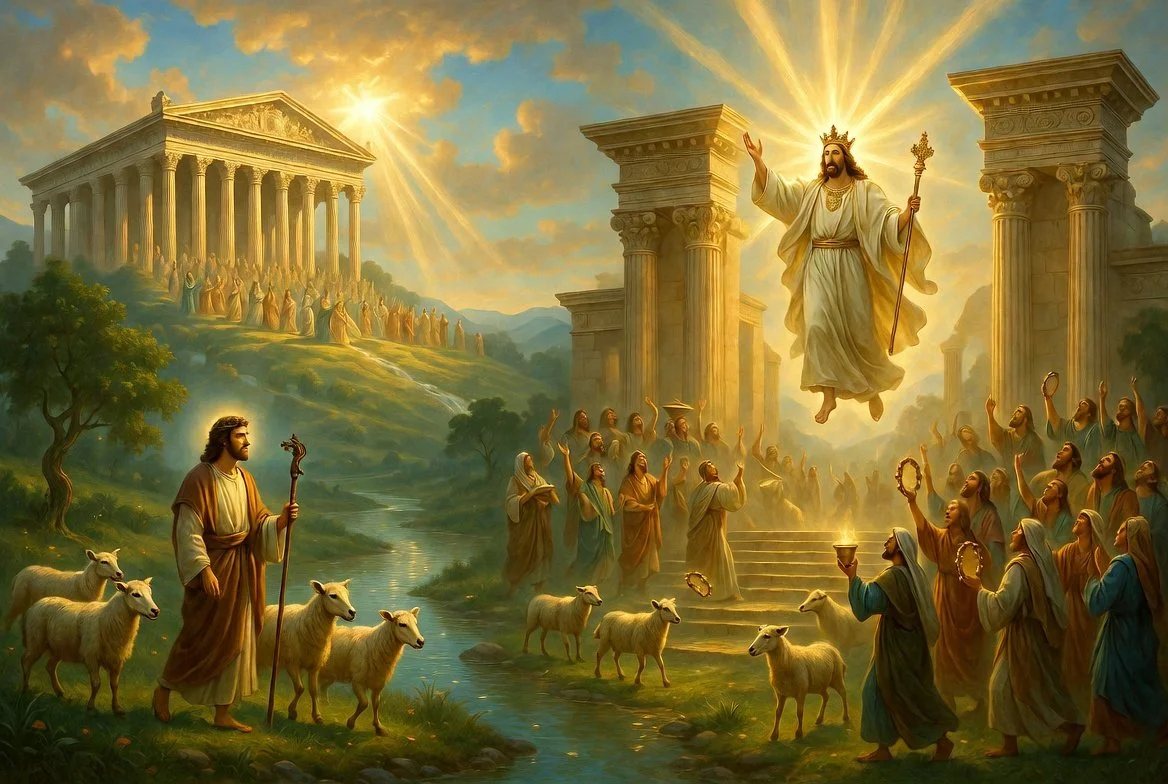
Psalm 1,2,15,22-24,47 and 68
Today we read a powerful collection of Psalms (1–2, 15, 22–24, 47, and 68) that together paint a sweeping portrait of God’s kingship, care, and ultimate victory.
These songs move from the foundations of wisdom and righteousness, through the depths of suffering and shepherding love, to triumphant processions, ascension, and the call for all nations to worship the King of Glory.
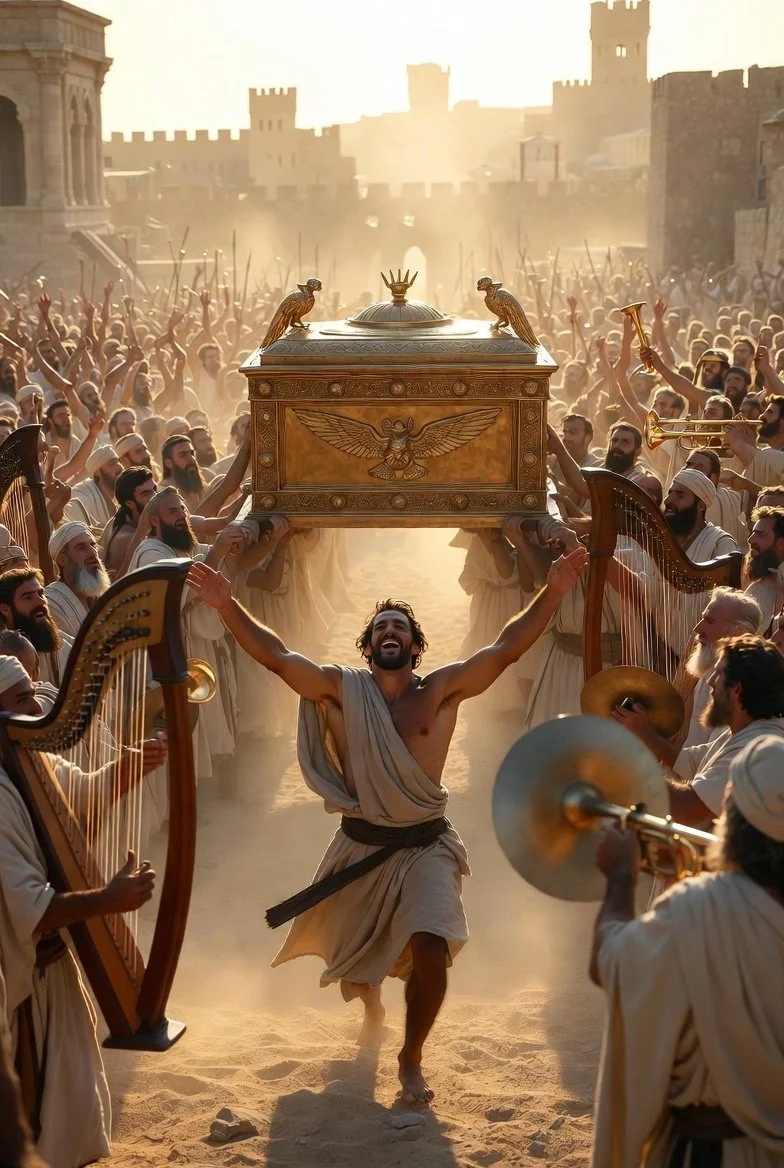
1 Chronicles Chapters 13 - 16
Chapters 13–16 record David’s passionate but initially flawed attempt to move the Ark, followed by the correct and joyful procession that ends with the Ark placed in a tent in Jerusalem, accompanied by exuberant worship, music, and a powerful psalm of thanksgiving led by David.

Psalm 106 and 107
Psalm 107 pairs beautifully with 106: confession of sin leads naturally to joyful thanksgiving for rescue. Both remind us that God’s people are defined not by their failures but by His faithful love.

Psalm 133
Psalm 133 is a short but profound psalm in the Book of Psalms (one of the shortest, with just three verses). It celebrates the goodness and pleasantness of unity among God’s people, using vivid imagery of anointing oil and dew. Its historical context is rooted in ancient Israelite life, worship, and national experiences.
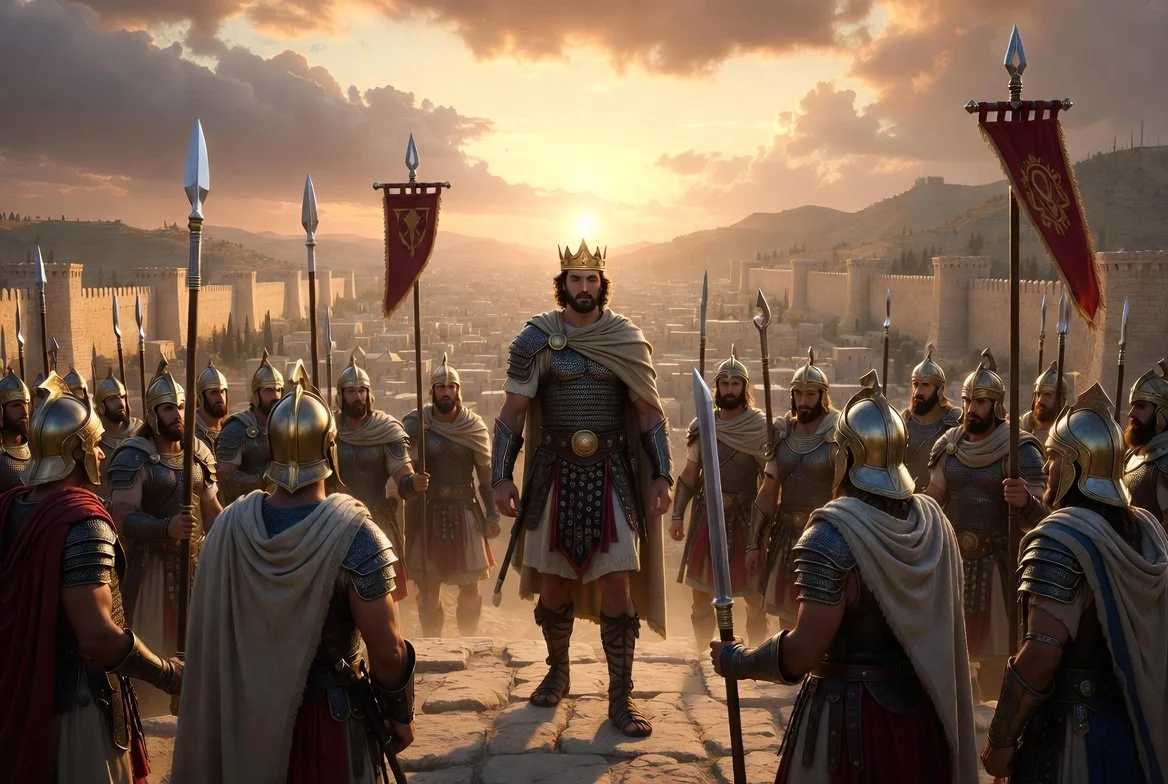
2 Samuel 5, 1 Chronicles 11 - 12
David is finally anointed king over all Israel at Hebron, and the nation unites under his leadership. These chapters describe how David captures the stronghold of Zion (Jerusalem), making it his capital city, and how mighty warriors from all the tribes flock to him, demonstrating the Lord’s blessing and the establishment of David’s kingdom.

Psalm 102 - 104
These three psalms form a beautiful spiritual journey that mirrors the rhythm of real life with God. Reading them in sequence gives a clear roadmap for how to live faithfully, especially when life feels heavy, uncertain, or ordinary.