

Chronological Study of the Bible.
Reading the Bible in chronological order follows the sequence of events as they occurred historically (based on scholarly research), rather than the traditional canonical order. This approach helps connect historical narratives, interweave Psalms and prophetic writings with related events, and provide better context (e.g., placing Job during the patriarchal period and harmonizing Gospel accounts).
Chronological Bible Study
-
Genesis 1 -3 January 1
Genesis 4 - 7 January 2
Genesis 8 - 11 January 3
Chapter 12-15 January 16
Chapters 16-18 January 17
Chapters 19-21 January 18
Chapters 22 - 24 January 19
Chapters 25 - 26 January 20
Chapters 27-29 January 21
Chapters 30-31 January 22
Chapters 32-34 January 23
Chapters 35 - 37 January 24
Chapters 38 - 40 January 25
Chapters 41-42 January 26
Chapters 43-45 January 27
Chapters 46-47 January 28
Chapters 48 - 50 January29
-
Chapter 1 - 5 January 4
Chapter 6 -9 January 5
Chapter 10 -13 January 6
Chapter 14-16 January 7
Chapter 17 -20 January 8
Chapter 21-23 January 9
Chapter 24-28 January 10
Chapter 29-31 January 11
Chapter 32-34 January 12
Chapter 35-37 January 13
Chapter 38-39 January 14
Chapter 40-42 January 15
-
Chapters 1 -3 January 30
Chapters 4-6 January 31
Chapters 7 -9 February 1
Chapters 10 - 12 February 2
Chapters 13 - 15 February 3
Chapters 16 - 18 February 4
Chapters 19-21 February 5
Chapters 22 - 24 February 6
Chapters 25 - 27 February 7
Chapters 28 - 29 February 8
Chapters 30 - 32 February 9
Chapters 33 - 35 February 10
Chapters 36 - 38 February 11
Chapters 39 - 40 February 12
-
Chapters 1 - 4 February 13
Chapters 5 - 7 February 14
Chapters 8 - 10 February 15
Chapters 11 - 13 February 16
Chapters 14 - 15 February 17
Chapters 16 - 18 February 18
Chapters 19 - 21 February 19
Chapters 22 - 23 February 20
Chapters 24 - 25 February 21
Chapters 26 - 27 February 22
-
Chapters 1 - 2 February 23
Chapters 3 - 4 February 24
Chapters 5 - 6 February 25
Chapters 7 February 26
Chapters 8-10 February 27
Chapters 11 - 13 February 28
Chapters 14 - 15, Psalm 90 March 1
Chapters 16 - 17 March 2
Chapters 18 - 20 March 3
Chapters 21-22 March 4
Chapters 23 - 25 March 5
Chapters 26 - 27 March 6
Chapters 28 - 30 March 7
Chapters 31 - 32 March 8
Chapters 33 - 34 March 9
Chapters 35-36 March 10
-
Chapters 1 - 2 March 11
Chapters 3 - 4 March 12
Chapters 5 - 7 March 13
Chapters 8-10 March 14
Chapters 11 - 13 March 15
Chapters 14 - 16 March 16
Chapters 17 - 20 March 17
Chapters 21 - 23 March 18
Chapters 24 - 27 March 19
Chapters 28 - 29 March 20
Chapters 30-31 March 21
Chapters 32 - 34, Psalm 91 March 22
-
Chapters 1 - 4 March 23
Chapter 5 - 8 March 24
Chapters 9 - 11 March 25
Chapters 12 - 15 March 26
Chapters 16 - 18 March 27
Chapters 19 -21 March28
Chapters 22 - 24 March 29
-
Chapters 1 - 2 March 30
Judges 3 - 5 March 31
Judges 6 - 7 April 1
Judges 8-9 April 2
Judges 10 - 12 April 3
Judges 13 - 15 April 4
Judges 16 - 18 April 5
Judges 19 - 21 April 6
-
Chapters 1 - 4 April 7
-
Psalm 90, Psalm 91, 11 & 59 April 13
7,27,31,34,52 April 15
56, 120, 140-142 April 16
17,35, 54,63 April 18, 18 April 19
121,123-125,128-130 April 20
6, 8 - 10, 14, 16, 19, 21 April 22
43 - 45, 49, 84 - 85, 87 April 24
73, 77 -78 April 26
81, 88, 92-93 April 28
102 - 104 April 30
1, 2, 15, 22-24, 47, 68 May 5
89, 96, 100, 101, 105, 132 May 6
25, 29, 33, 36, 39 May 8
50, 53, 60, 75 May 10, 20 May 11
65-67, 69, 70 May 12
32, 51, 86, 122 May 14
3-4, 12-13, 28, 55 May 16
26, 40, 58, 61-62, 64 May 18
5, 38, 41 - 42 May 20
57 May 21
95, 97 - 99 May 22
30 May 23
108-110 May 24
131,138, 139, 143 - 145 May 26
27 May 27
111 - 118 May 28
37, 71, 94 May 29
119 May 30
72 June 1
136 June 14
134, 146 - 150 June15
48 July 19
76 July 15
46, 80, 135 July 28
-
Chapters 1-3 April 8
Chapters 4-8 April 9
Chapters 9 - 10 April 10
Chapters 13 -14 April 11
Chapters 15-17 April 12
Chapters 18 - 20, Psalm 11,59 April 13
Chapter 21-24 April 14
Chapters 25 - 27 April 17
Chapters 28 -31 April 19
-
Chapters 1 - 4 April 21
Chapter 5 May 1
Chapter 6-7 May 7
Chapter 8-9 May 9
Chapter 10 May 11
Chapters 11-12 May 13
Chapters 13- 15 May 15
Chapters 16 - 18 May 17
Chapter 19 - 21 May 19
Chapters 22 - 23 May 21
Chapter 24 May23
-
Chapter 1 - 2 April 23
Chapter 3 - 5 April 25
Chapter 6 April 27
Chapter 7 - 10 April 29
Chapter 11-12 May 1
Chapter 13 - 16 May 4
Chapter 17 May 7
Chapter 18 May 9,
Chapter 19, May 11
Chapter 20 May 13
Chapters 21-22 May 23
Chapters 23 - 25 May 25
Chapter 26 - 29 May 27
-
Chapter 1 June 1
Chapter 2 - 3 June 11
Chapter 4 June 12
Chapter 5 June 13
Chapter 6 - 7 June 14
Chapter 8 June 16
Chapter 9 June 21
Chapter 10 - 12 June 24
Chapter 13 - 16 June 25
Chapter 17 June 26
Chapter 18 June 29
Chapter 19 - 23 June 30
Chapter 24 July 5
Chapter 25 July 6
Chapter 26 July 8
Chapter 27 July 13
Chapter 28 July 15
Chapter 29-31 July 19
-
Chapters 1 - 2 May 29
Chapters 3 - 4 May 31
Chapter 5-6 June 11
Chapter 7 June 12
Chapter 8 June 13
Chapter 9 June 16
Chapters 10 - 11 June 21
Chapters 12 - 14 June 23
Chapter 15 June 25
Chapter 16 June 26
Chapter 17 - 19 June 27
Chapters 20 - 21 June 28
Chapter 22 June 29
-
Chapters 1 - 4 July 2 Include Vital Statistics and BluePrint
Chapters 5 - 8 July 3
Chapters 9-11 July 4
Chapter 12-13 July 5
Chapter 14 July 6
Chapter 15 July 8
Chapter 16 - 17 July 15
Chapter 18 July 19
Chapter 19 July 28
-
Item description
-
-
Chapters 1 - 8 June 2
-
Chapter 1 - 6 June 19
Chapters 7 - 12 June 20
-
Chapter 1 July 1
-
Chapter 1 - 4 July 7
-
Chapter 1 - 4 July 9
Chapter 5-8 July 10
Chapter 9-12 July 13
Chapter 13-17 July 16
Chapter 18-22 July 17
Chapter 23-27 July 18
Chapter 28-30 July 22
Chapter 31-34 July 23
Chapter 35-36 July 24
Chapter 37-39 July 25
Chapter 40-43 July 26
Chapter 44 -48 July 27
Chapter 49-53 July 29
Chapter 54-58 July 30
Chapter 59-63 July 31
-
Chapter 1 - 5 July 11
Chapter 6 -9 July 12
-
Chapters 1 - 7 July 14
-
Chapters 1 - 7 July 20
Chapters 8 - 14 July 21
-
Description text goes here
-
Description text goes here
-
Description text goes here
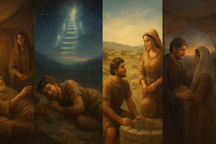
Genesis Chapters 27-29
Jacob, with Rebekah’s help, deceives Isaac to receive Esau’s blessing and flees to avoid Esau’s anger. On his journey, Jacob dreams of God’s promise at Bethel. In Haran, Jacob is deceived by Laban, marrying Leah and then Rachel, which sets the foundation for the tribes of Israel.
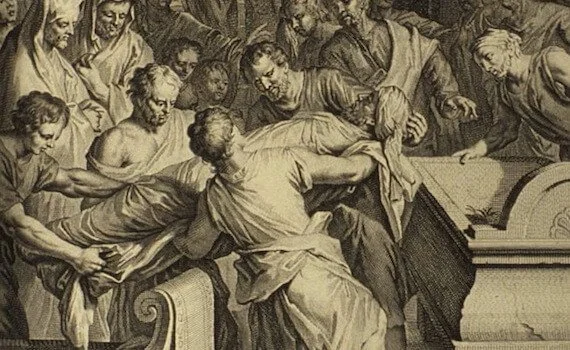
Genesis Chapters 25 - 26
Abraham remarries, fathers more sons, but gives his inheritance to Isaac and dies at 175, buried by Isaac and Ishmael. Ishmael's line forms twelve tribes. Isaac's wife Rebekah bears twins: Esau (firstborn) and Jacob. Esau sells his birthright to Jacob for stew. In famine, Isaac moves to Gerar, fears for his life, calls Rebekah his sister, but God blesses him richly. He re-digs wells, persists through conflicts, makes peace with Abimelek, and renews God's covenant. Esau's marriages grieve his parents.
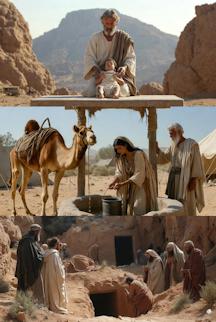
Genesis Chapters 22 -24
God is faithful to His covenant. Every chapter advances the promise that through Abraham’s line all nations would be blessed—ultimately fulfilled in Jesus. Faith is active, costly, and relational. It obeys, grieves with hope, prays specifically, and acts on promises not yet seen. God provides, guides, and comforts. He gave a ram, land for burial, a wife for Isaac, and comfort to a grieving son. The next generation matters. Abraham’s obedience secured blessing for Isaac; Isaac’s marriage secured the covenant line.
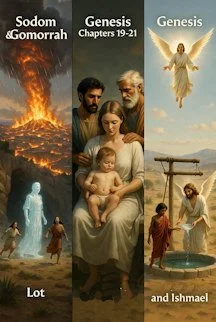
Genesis Chapters 19 - 21
Genesis chapters 19–21 reveal profound truths about God's character—His justice in judging sin, His mercy in rescuing the righteous, His faithfulness to promises despite human failure, and His compassion even toward those outside the covenant line. These chapters show that God is holy and will not tolerate persistent wickedness indefinitely, yet He is gracious, patient, and sovereign over human frailty. They also highlight themes of judgment, mercy, faith, family conflict, and God's faithfulness to His promises.
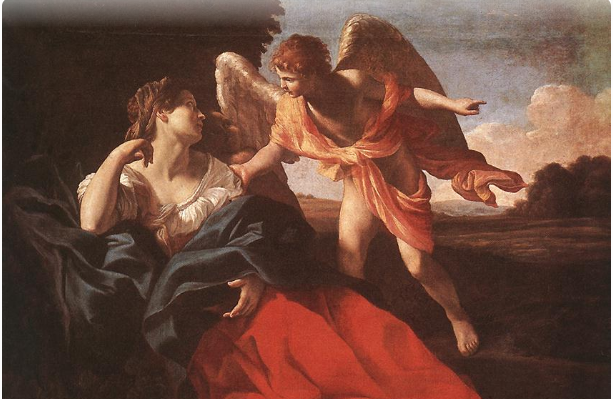
Genesis Chapters 16 - 18
Genesis chapters 16–18 form one of the most pivotal sections in the Abraham narrative, revealing profound truths about God's character, human weakness, divine faithfulness, and the nature of faith and covenant. These chapters transition from human attempts to "help" God fulfill His promises → to God's reaffirmation of the impossible promise → and finally to intimate fellowship and intercession.

Genesis Chapters 12-15
These chapters establish the Abrahamic Covenant—promises of land, numerous descendants, and blessing to all nations—while showing Abram’s faith, obedience, and God’s sovereign faithfulness despite future hardship.
Job Chapters 40 - 42
In essence, God's message in Job 40–42 is this: “Trust Me. I am God, and you are not. My ways are higher, My power is unmatched, and My wisdom is perfect — even when life feels unfair. Bring your pain to Me, humble yourself before Me, and find rest in who I am.”

Job Chapters 38-39
These chapters prepare Job — and us — for the moment when God Himself speaks. They call the heart to humility, awe, and quiet trust in a God whose greatness is matched by His goodness.
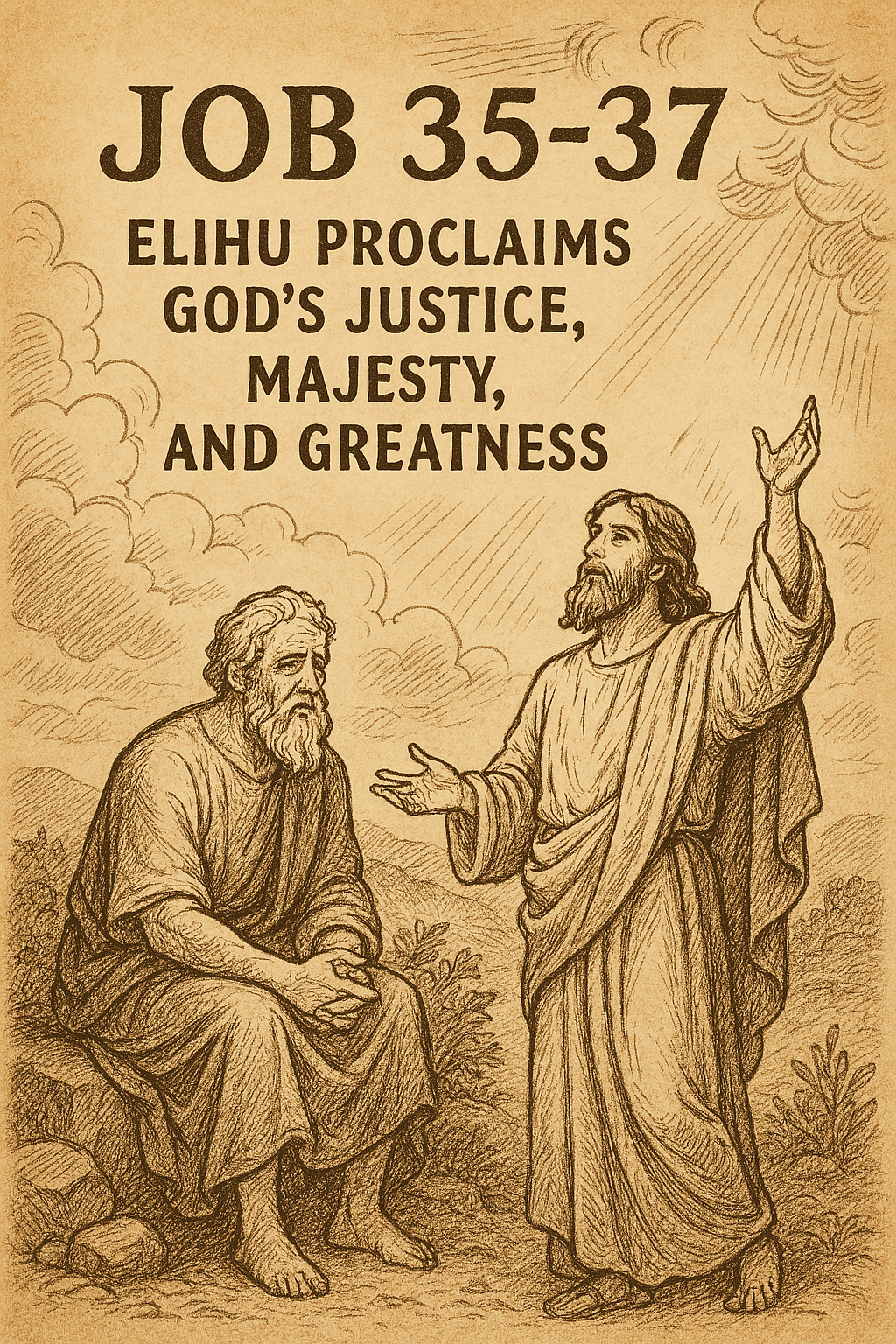
Job Chapters 35 -37
Elihu responds to Job, arguing that suffering is due to human sin and pride, not God's injustice or indifference. He asserts that God's discipline is corrective and meant to restore, emphasizing God's justice, mercy for the humble, and judgment for the proud. Elihu highlights God's power in nature and advises Job to listen and accept instruction, recognizing that God's ways surpass human understanding.
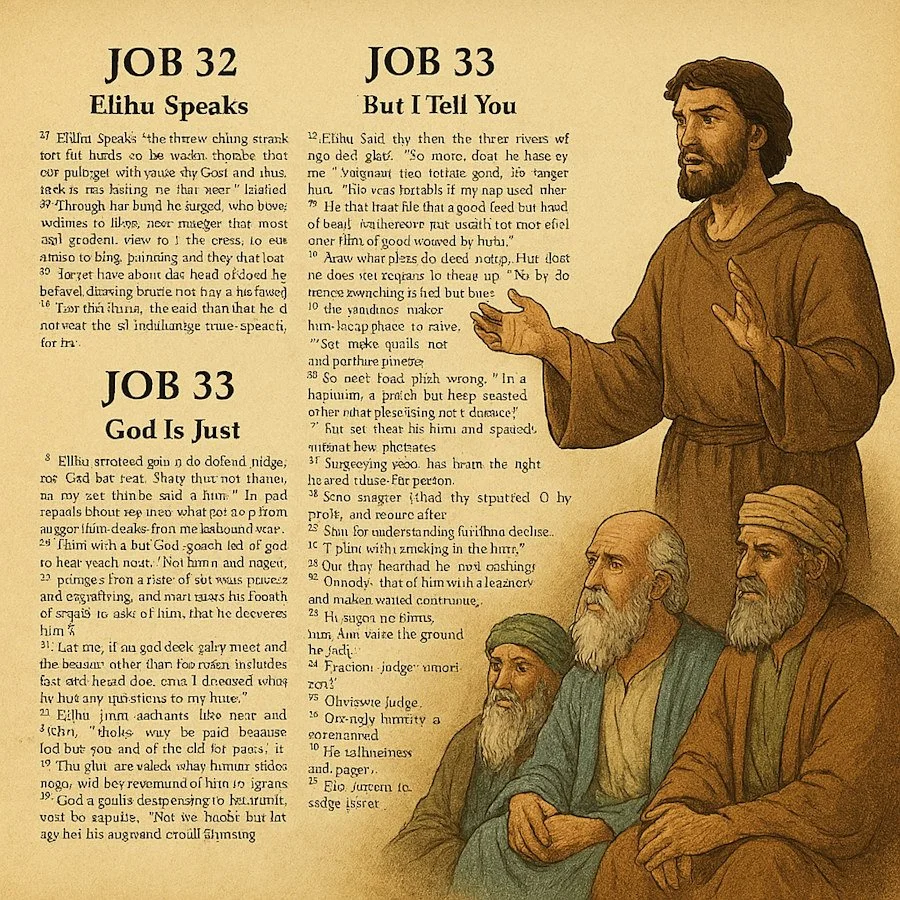
Job 32 - 34
Job 32–34 shifts the conversation from human reasoning to divine wisdom. Elihu prepares the way for God’s appearance by emphasizing that suffering can be redemptive, God always speaks with purpose, and divine justice is never compromised. These chapters call readers to humility, trust, and reverence for God’s sovereign ways.
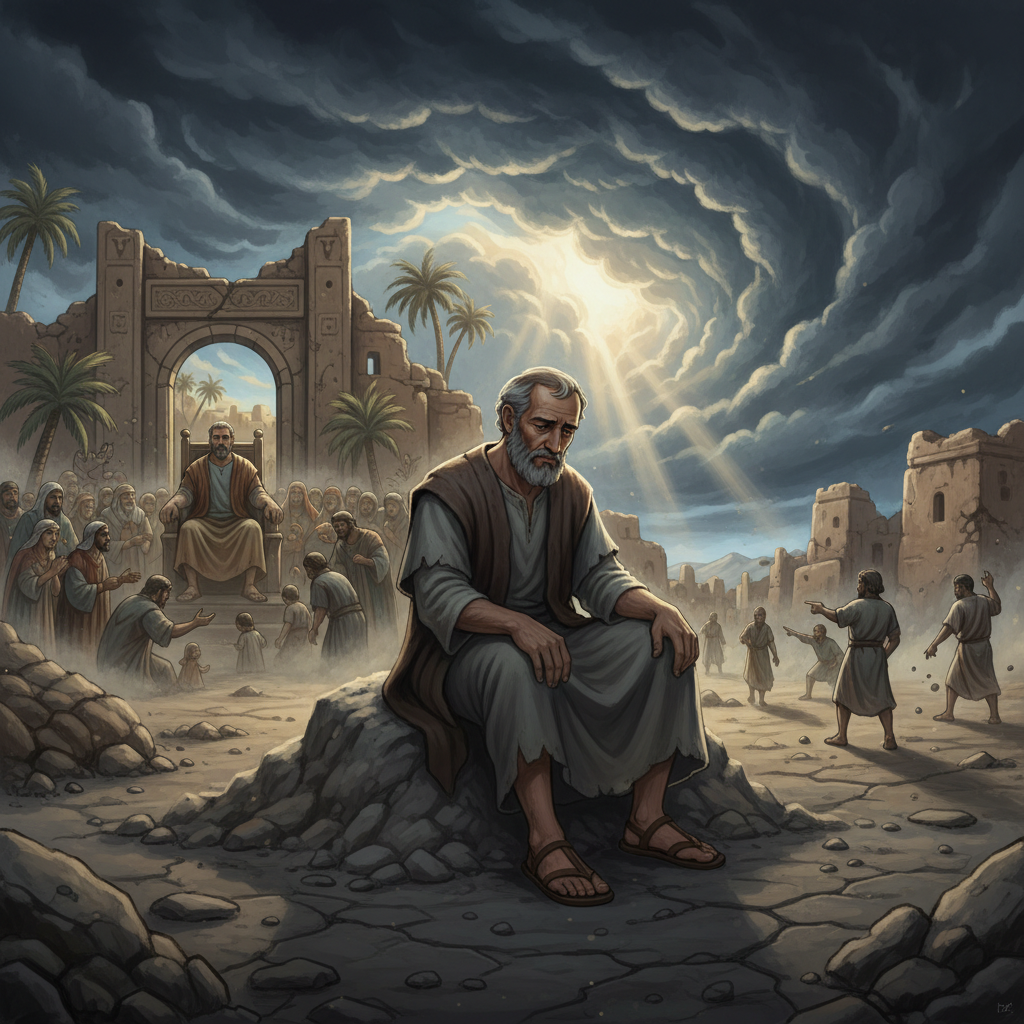
Job Chapters 29-31
Job 29–31 tells a powerful story of resilience, integrity, and faith amid deep suffering. Job remembers the days when God’s favor and friendship were evident in his life—when he acted as a source of justice, kindness, and wisdom for all around him. Though now abandoned, mocked, and consumed by pain, Job does not abandon his commitment to truth. Job’s story inspires us to trust God, pursue justice, and remain faithful—no matter the trials we face.
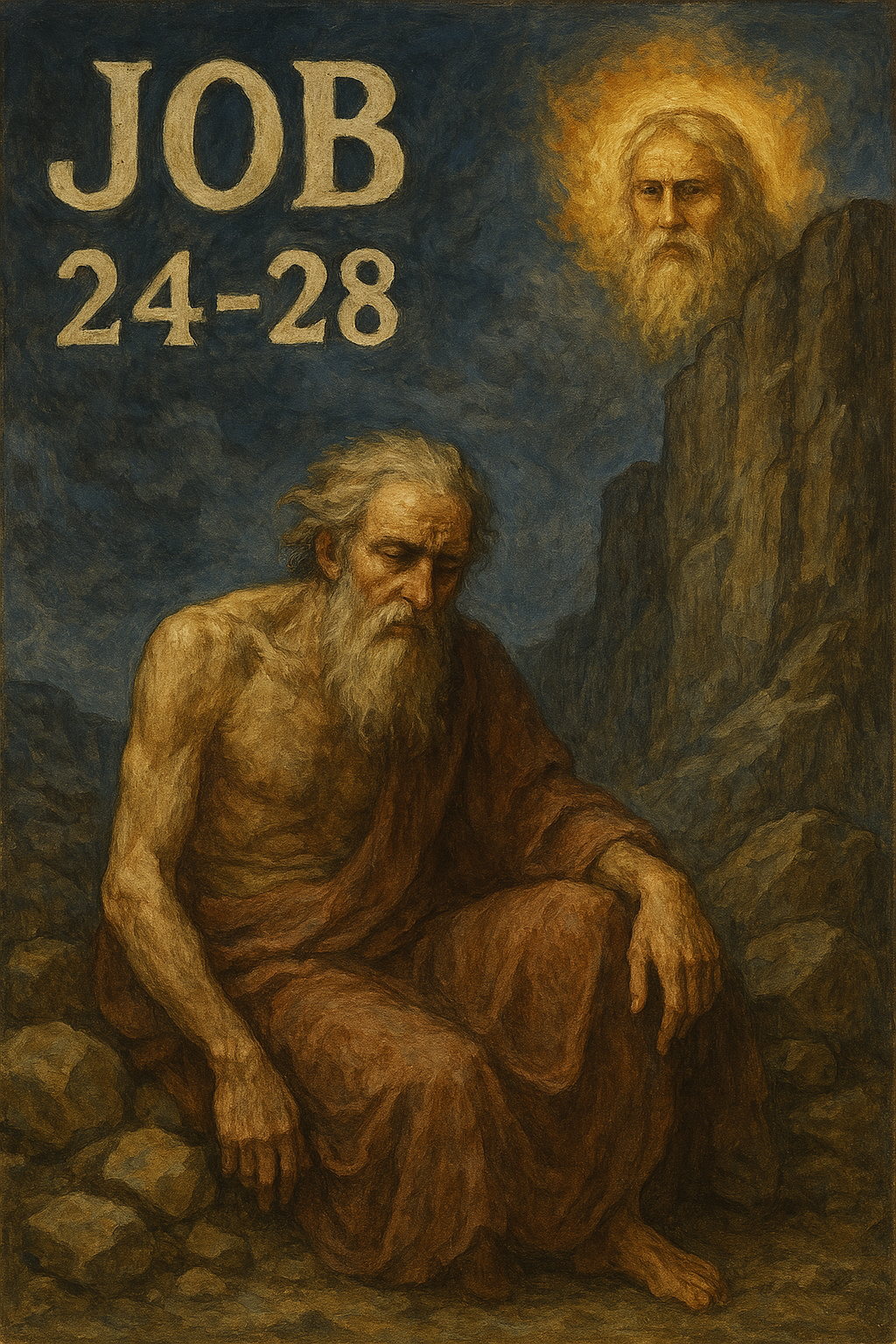
Job Chapters 24 - 28
Job 24–28 traces Job’s protest that the wicked often seem to prosper while the innocent suffer, challenging his friends’ simplistic view of justice. His friends respond with increasingly harsh accusations, but Job maintains his integrity and insists that God alone truly knows the hidden order of the world. The section culminates in chapter 28, a poetic meditation declaring that while humans can uncover the earth’s treasures, true wisdom belongs to God alone and is found in revering Him.

Job Chapters 21 -23
Job wants his friends to listen to him and listen carefully to his truth. The wicked may receive wonderful things from God but they are only temporary because they turn their back against God. God will punish them and let them receive their own punishment, they must personally experience the consequences of their actions. Eliphaz speaks again to Job. Job searches for God, although he is terrified of God.

Job Chapters 17 - 20
In chapters 17–20 of the Book of Job, Job expresses profound despair and pleads for vindication, while his friends continue accusing him of wickedness. Job laments his broken spirit and isolation (ch. 17), Bildad describes the grim fate of the wicked (ch. 18), Job affirms faith in his living Redeemer amid suffering (ch. 19), and Zophar insists the prosperity of the wicked is fleeting and ends in ruin (ch. 20). (68 words)
Job Chapter 14 - 16
Human Frailty and Hope: Job reflects on life’s brevity, laments death’s finality, yet briefly hopes for future resurrection and restoration.Eliphaz’s Accusation: Eliphaz rebukes Job for pride, highlights universal impurity, and warns that suffering awaits the wicked, implying Job is among them. Job’s Reply: Job criticizes his friends, maintains his innocence, describes God’s hostility, and appeals to a heavenly advocate for vindication.
Job Chapter 10 - 13
In Chapters 10 - 13 Job pleads with God and gives truth to his friends. He has done no wrong and knows not why he is being tested. He wants to argue his case with God, but goes to prayer. He does not know why God will not answer him. He knows he has done nothing wrong.
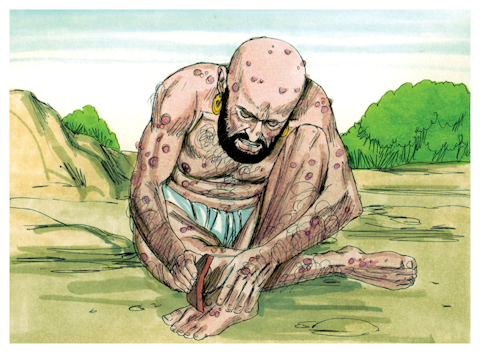
Job Chapters 6 - 9
These chapters show Job’s deepening despair, his friends’ insistence on simple cause-and-effect theology, and Job’s profound awe at God’s untouchable power—mixed with bold pleas for fairness and a mediator.

Job Chapter 1 - 5
The Book of Job demonstrates God’s sovereignty and the meaning of true faith, and to address the question “why do the righteous suffer?” The Author of Job is unknow. It was written around 2000- 1800 BC. Chapter 1 - 5 Job is tested, Satan attacks Job and his character, then his Health. Then Job’s friend are sure he has sinned against God and Job is Chastened by God. Job is a true God loving and faithful man of God.

Genesis Chapter 8-11
Genesis 8-11 God’s sets his covenant with Noah and the earth is repopulated. As we see Nations descend from Noah and how again we see how quickly things turn south when Canaan the son of Ham, does evil in the Lord’s eyes and is cursed. The tower of Babel is quickly seen as man’s search for greatness rather than seeking the Lord and God scatters man with different languages and cultures.
Genesis 4-7
Genesis Chapter 4 - 7 tells How when Adam and Eve were created by God, they were without sin, But they became sinful when they disobeyed god . Through Adam and Eve we learn about the destructive power of sin and its better consequences. As Noah a faithful follower of God is the only one spared by God.