

Chronological Study of the Bible.
Reading the Bible in chronological order follows the sequence of events as they occurred historically (based on scholarly research), rather than the traditional canonical order. This approach helps connect historical narratives, interweave Psalms and prophetic writings with related events, and provide better context (e.g., placing Job during the patriarchal period and harmonizing Gospel accounts).
Chronological Bible Study
-
Genesis 1 -3 January 1
Genesis 4 - 7 January 2
Genesis 8 - 11 January 3
Chapter 12-15 January 16
Chapters 16-18 January 17
Chapters 19-21 January 18
Chapters 22 - 24 January 19
Chapters 25 - 26 January 20
Chapters 27-29 January 21
Chapters 30-31 January 22
Chapters 32-34 January 23
Chapters 35 - 37 January 24
Chapters 38 - 40 January 25
Chapters 41-42 January 26
Chapters 43-45 January 27
Chapters 46-47 January 28
Chapters 48 - 50 January29
-
Chapter 1 - 5 January 4
Chapter 6 -9 January 5
Chapter 10 -13 January 6
Chapter 14-16 January 7
Chapter 17 -20 January 8
Chapter 21-23 January 9
Chapter 24-28 January 10
Chapter 29-31 January 11
Chapter 32-34 January 12
Chapter 35-37 January 13
Chapter 38-39 January 14
Chapter 40-42 January 15
-
Chapters 1 -3 January 30
Chapters 4-6 January 31
Chapters 7 -9 February 1
Chapters 10 - 12 February 2
Chapters 13 - 15 February 3
Chapters 16 - 18 February 4
Chapters 19-21 February 5
Chapters 22 - 24 February 6
Chapters 25 - 27 February 7
Chapters 28 - 29 February 8
Chapters 30 - 32 February 9
Chapters 33 - 35 February 10
Chapters 36 - 38 February 11
Chapters 39 - 40 February 12
-
Chapters 1 - 4 February 13
Chapters 5 - 7 February 14
Chapters 8 - 10 February 15
Chapters 11 - 13 February 16
Chapters 14 - 15 February 17
Chapters 16 - 18 February 18
Chapters 19 - 21 February 19
Chapters 22 - 23 February 20
Chapters 24 - 25 February 21
Chapters 26 - 27 February 22
-
Chapters 1 - 2 February 23
Chapters 3 - 4 February 24
Chapters 5 - 6 February 25
Chapters 7 February 26
Chapters 8-10 February 27
Chapters 11 - 13 February 28
Chapters 14 - 15, Psalm 90 March 1
Chapters 16 - 17 March 2
Chapters 18 - 20 March 3
Chapters 21-22 March 4
Chapters 23 - 25 March 5
Chapters 26 - 27 March 6
Chapters 28 - 30 March 7
Chapters 31 - 32 March 8
Chapters 33 - 34 March 9
Chapters 35-36 March 10
-
Chapters 1 - 2 March 11
Chapters 3 - 4 March 12
Chapters 5 - 7 March 13
Chapters 8-10 March 14
Chapters 11 - 13 March 15
Chapters 14 - 16 March 16
Chapters 17 - 20 March 17
Chapters 21 - 23 March 18
Chapters 24 - 27 March 19
Chapters 28 - 29 March 20
Chapters 30-31 March 21
Chapters 32 - 34, Psalm 91 March 22
-
Chapters 1 - 4 March 23
Chapter 5 - 8 March 24
Chapters 9 - 11 March 25
Chapters 12 - 15 March 26
Chapters 16 - 18 March 27
Chapters 19 -21 March28
Chapters 22 - 24 March 29
-
Chapters 1 - 2 March 30
Judges 3 - 5 March 31
Judges 6 - 7 April 1
Judges 8-9 April 2
Judges 10 - 12 April 3
Judges 13 - 15 April 4
Judges 16 - 18 April 5
Judges 19 - 21 April 6
-
Chapters 1 - 4 April 7
-
Psalm 90, Psalm 91, 11 & 59 April 13
7,27,31,34,52 April 15
56, 120, 140-142 April 16
17,35, 54,63 April 18, 18 April 19
121,123-125,128-130 April 20
6, 8 - 10, 14, 16, 19, 21 April 22
43 - 45, 49, 84 - 85, 87 April 24
73, 77 -78 April 26
81, 88, 92-93 April 28
102 - 104 April 30
1, 2, 15, 22-24, 47, 68 May 5
89, 96, 100, 101, 105, 132 May 6
25, 29, 33, 36, 39 May 8
50, 53, 60, 75 May 10, 20 May 11
65-67, 69, 70 May 12
32, 51, 86, 122 May 14
3-4, 12-13, 28, 55 May 16
26, 40, 58, 61-62, 64 May 18
5, 38, 41 - 42 May 20
57 May 21
95, 97 - 99 May 22
30 May 23
108-110 May 24
131,138, 139, 143 - 145 May 26
27 May 27
111 - 118 May 28
37, 71, 94 May 29
119 May 30
72 June 1
136 June 14
134, 146 - 150 June15
48 July 19
76 July 15
46, 80, 135 July 28
-
Chapters 1-3 April 8
Chapters 4-8 April 9
Chapters 9 - 10 April 10
Chapters 13 -14 April 11
Chapters 15-17 April 12
Chapters 18 - 20, Psalm 11,59 April 13
Chapter 21-24 April 14
Chapters 25 - 27 April 17
Chapters 28 -31 April 19
-
Chapters 1 - 4 April 21
Chapter 5 May 1
Chapter 6-7 May 7
Chapter 8-9 May 9
Chapter 10 May 11
Chapters 11-12 May 13
Chapters 13- 15 May 15
Chapters 16 - 18 May 17
Chapter 19 - 21 May 19
Chapters 22 - 23 May 21
Chapter 24 May23
-
Chapter 1 - 2 April 23
Chapter 3 - 5 April 25
Chapter 6 April 27
Chapter 7 - 10 April 29
Chapter 11-12 May 1
Chapter 13 - 16 May 4
Chapter 17 May 7
Chapter 18 May 9,
Chapter 19, May 11
Chapter 20 May 13
Chapters 21-22 May 23
Chapters 23 - 25 May 25
Chapter 26 - 29 May 27
-
Chapter 1 June 1
Chapter 2 - 3 June 11
Chapter 4 June 12
Chapter 5 June 13
Chapter 6 - 7 June 14
Chapter 8 June 16
Chapter 9 June 21
Chapter 10 - 12 June 24
Chapter 13 - 16 June 25
Chapter 17 June 26
Chapter 18 June 29
Chapter 19 - 23 June 30
Chapter 24 July 5
Chapter 25 July 6
Chapter 26 July 8
Chapter 27 July 13
Chapter 28 July 15
Chapter 29-31 July 19
-
Chapters 1 - 2 May 29
Chapters 3 - 4 May 31
Chapter 5-6 June 11
Chapter 7 June 12
Chapter 8 June 13
Chapter 9 June 16
Chapters 10 - 11 June 21
Chapters 12 - 14 June 23
Chapter 15 June 25
Chapter 16 June 26
Chapter 17 - 19 June 27
Chapters 20 - 21 June 28
Chapter 22 June 29
-
Chapters 1 - 4 July 2 Include Vital Statistics and BluePrint
Chapters 5 - 8 July 3
Chapters 9-11 July 4
Chapter 12-13 July 5
Chapter 14 July 6
Chapter 15 July 8
Chapter 16 - 17 July 15
Chapter 18 July 19
Chapter 19 July 28
-
Item description
-
-
Chapters 1 - 8 June 2
-
Chapter 1 - 6 June 19
Chapters 7 - 12 June 20
-
Chapter 1 July 1
-
Chapter 1 - 4 July 7
-
Chapter 1 - 4 July 9
Chapter 5-8 July 10
Chapter 9-12 July 13
Chapter 13-17 July 16
Chapter 18-22 July 17
Chapter 23-27 July 18
Chapter 28-30 July 22
Chapter 31-34 July 23
Chapter 35-36 July 24
Chapter 37-39 July 25
Chapter 40-43 July 26
Chapter 44 -48 July 27
Chapter 49-53 July 29
Chapter 54-58 July 30
Chapter 59-63 July 31
-
Chapter 1 - 5 July 11
Chapter 6 -9 July 12
-
Chapters 1 - 7 July 14
-
Chapters 1 - 7 July 20
Chapters 8 - 14 July 21
-
Description text goes here
-
Description text goes here
-
Description text goes here
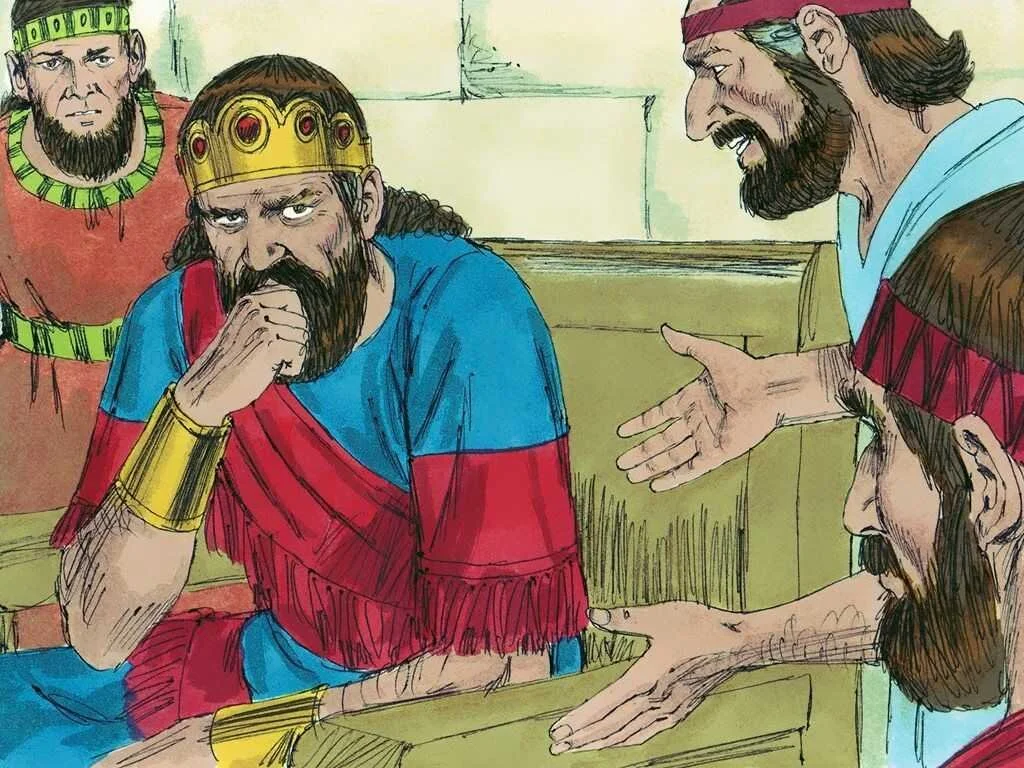
1 Samuel Chapter 13-14
Saul has now begun to reign and faces his first major test against the Philistines. While his son Jonathan boldly attacks a Philistine garrison and sparks a larger conflict
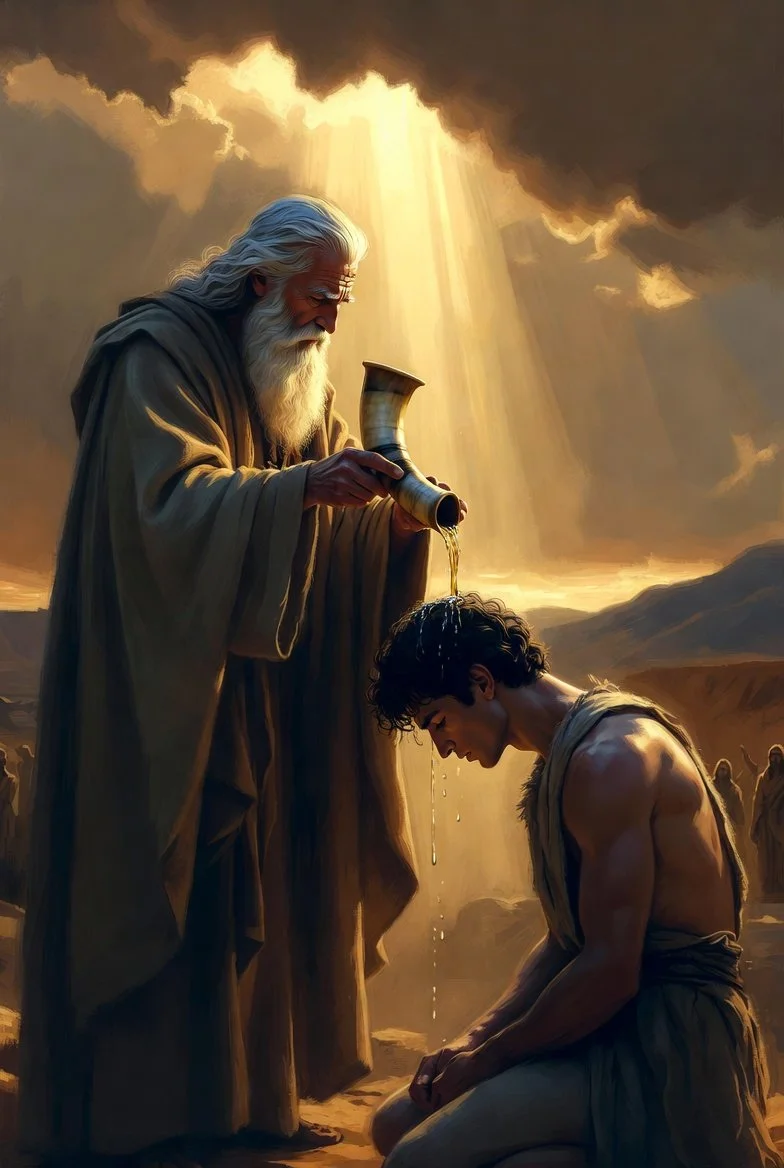
1 Samuel Chapters 9-12
The rise of Saul, the first king of Israel. The Lord sovereignly directed the prophet Samuel to anoint a tall, handsome young man from the tribe of Benjamin named Saul as Israel’s leader.
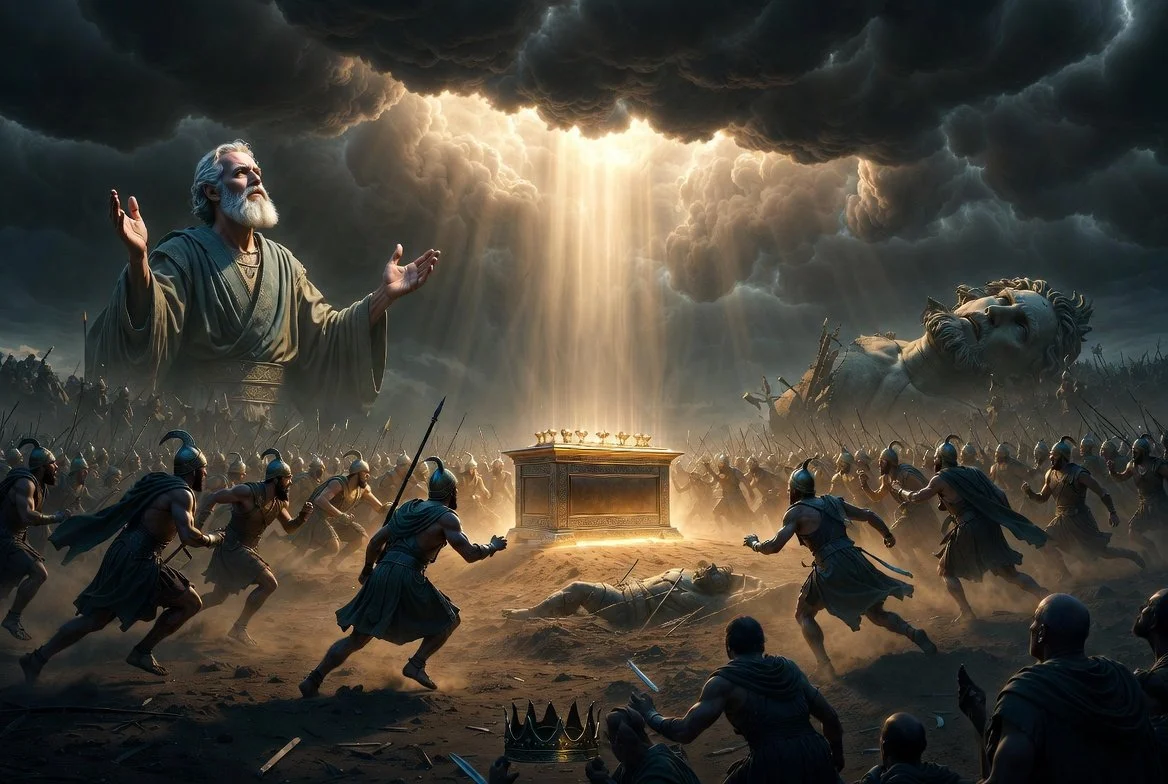
1 Samuel Chapters 4-8
These chapters describe a very dark and turbulent time in Israel’s history.
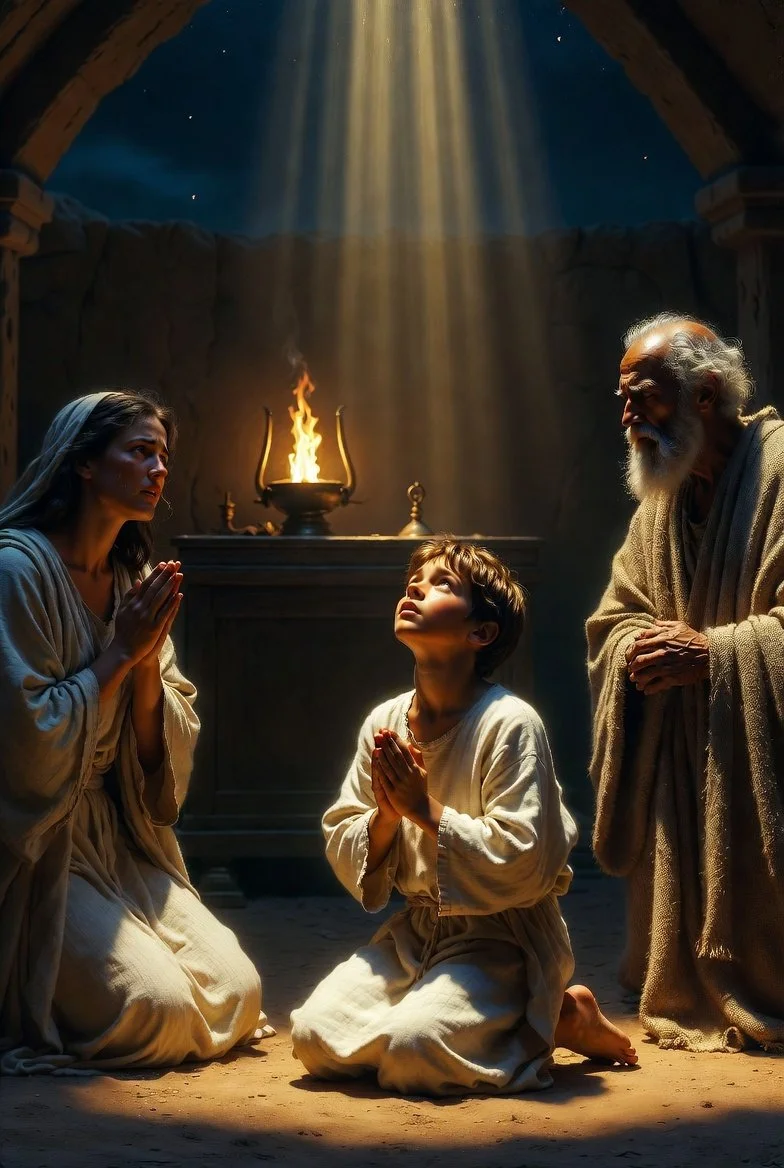
1 Samuel Chapters 1 - 3
Together, these chapters reveal God’s sovereignty, the power of humble prayer, the danger of corrupt leadership, and the way God raises faithful servants in dark times.
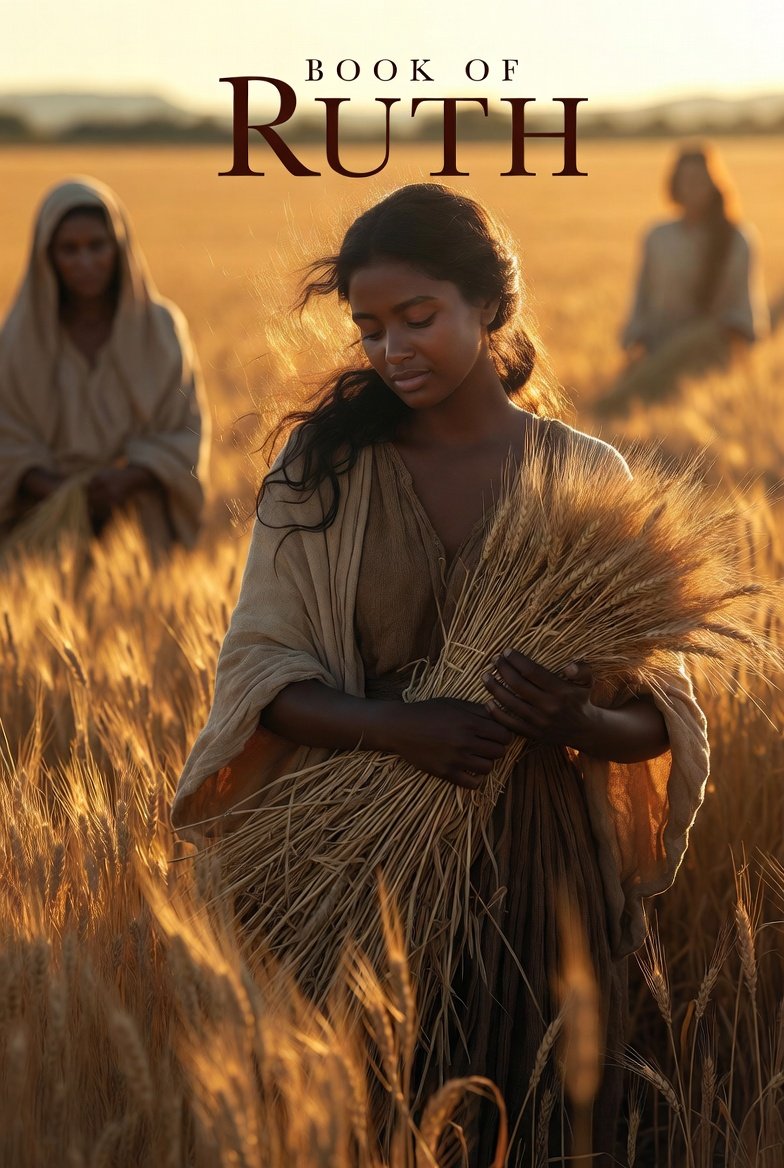
Ruth Chapters 1 - 4
The Book of Ruth is a powerful story of loyalty, redemption, and God’s faithful care during difficult times. Though it is only four chapters long, it carries deep spiritual significance.
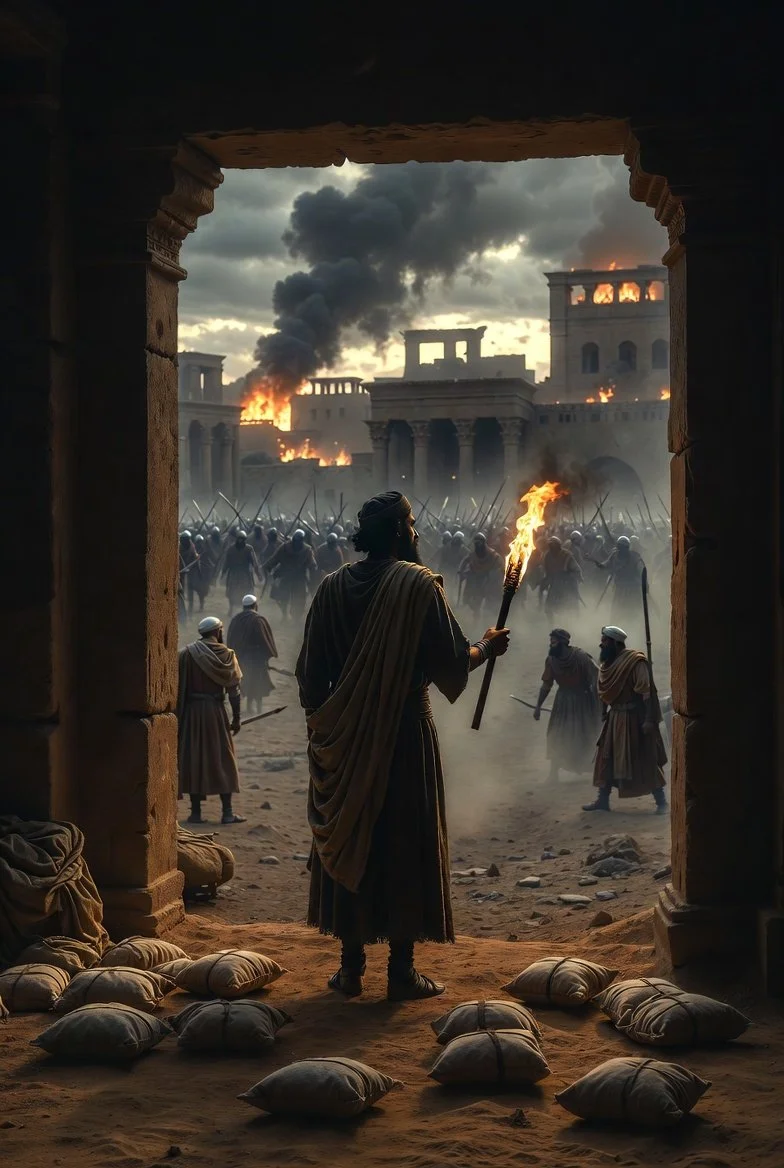
Judges Chapters 19 - 21
Judges 19–21 is one of the darkest, most disturbing sections in the entire Bible. It is intentionally placed at the end of the book to show how completely Israel had fallen during the time of the judges.
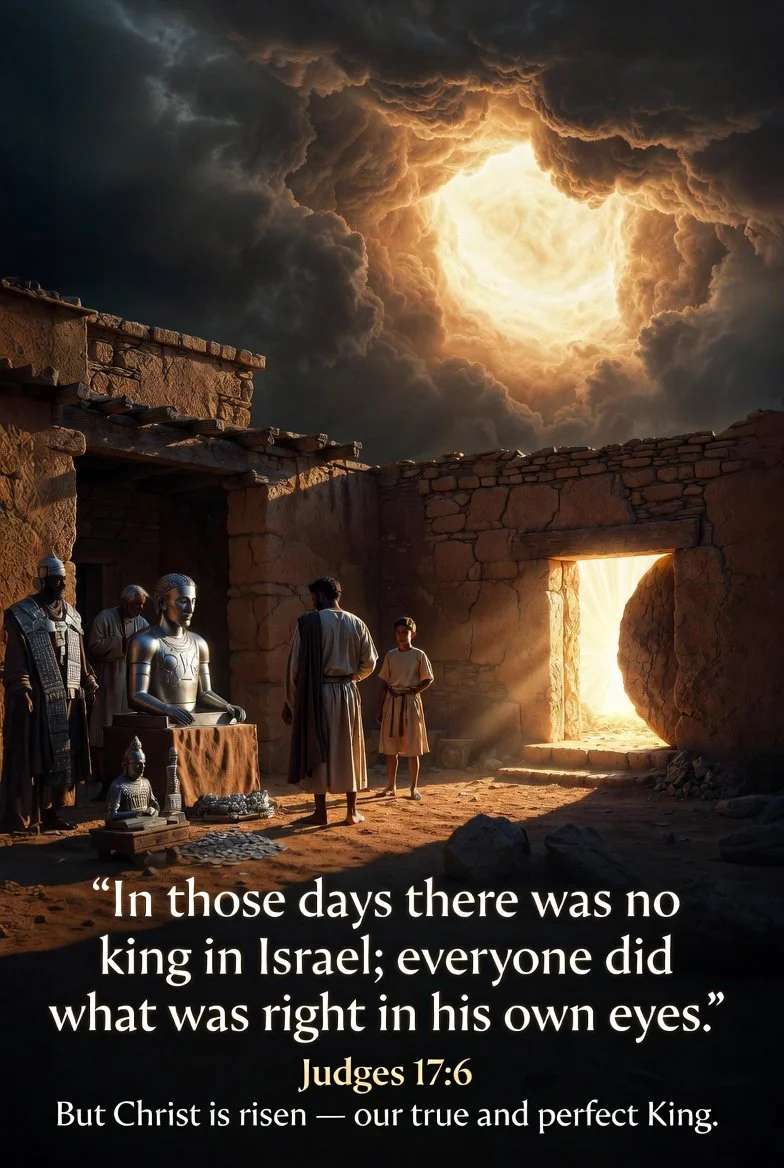
Judges Chapters 16-18
Judges 16–18 forms a powerful and sobering conclusion to the main section on the judges (with Samson) and transitions into the book's darker "appendix" section. These chapters illustrate the deepening spiritual and moral decline of Israel during a time when "there was no king in Israel; everyone did what was right in his own eyes"
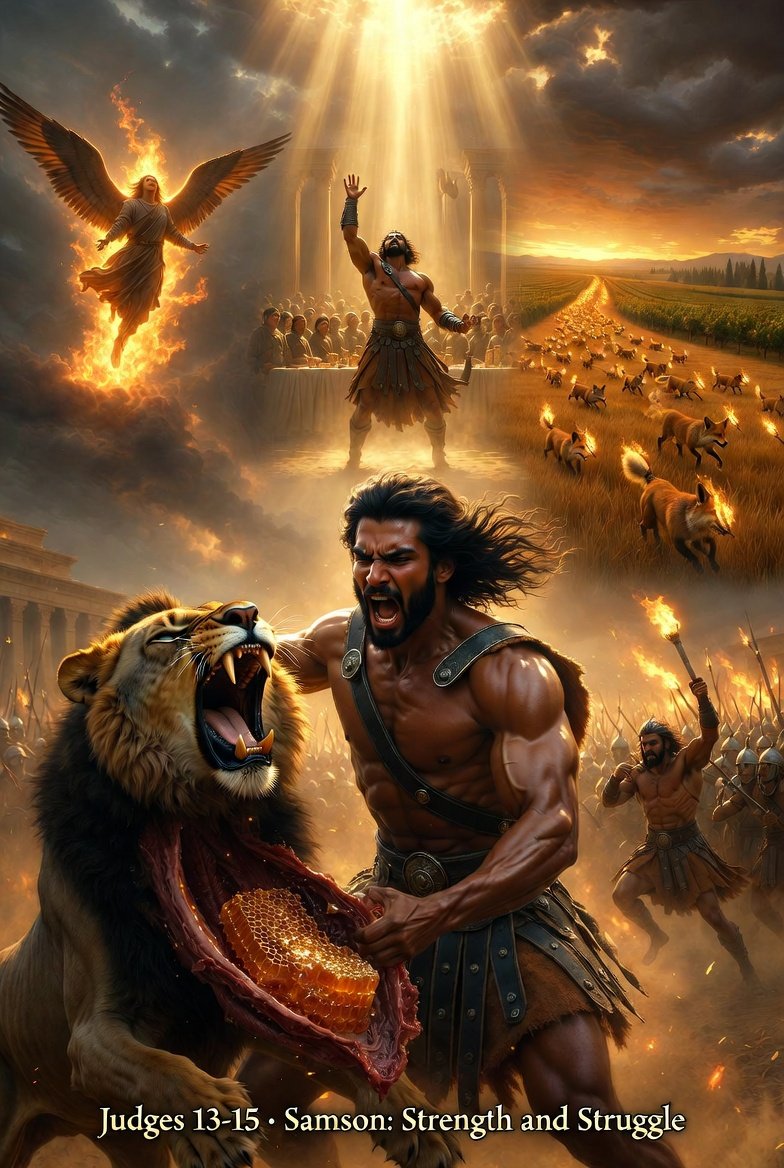
Judges Chapter 13 - 15
the familiar pattern of Israel’s sin and God’s deliverance takes a dramatic new turn with the birth and early life of Samson.
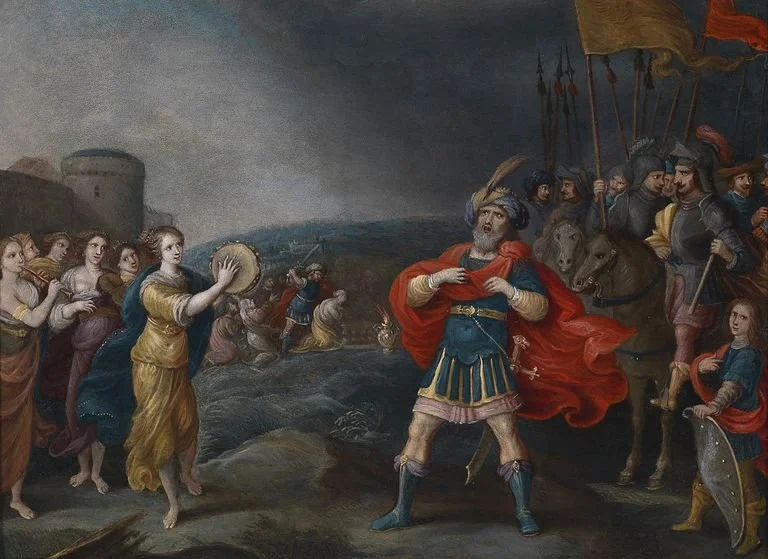
Judges Chapters 10 - 12
In response to their repentance, God raises up the unlikely warrior Jephthah from Gilead to lead the fight against the Ammonites, setting the stage for dramatic events involving leadership, a rash vow, and intertribal conflict with the tribe of Ephraim.
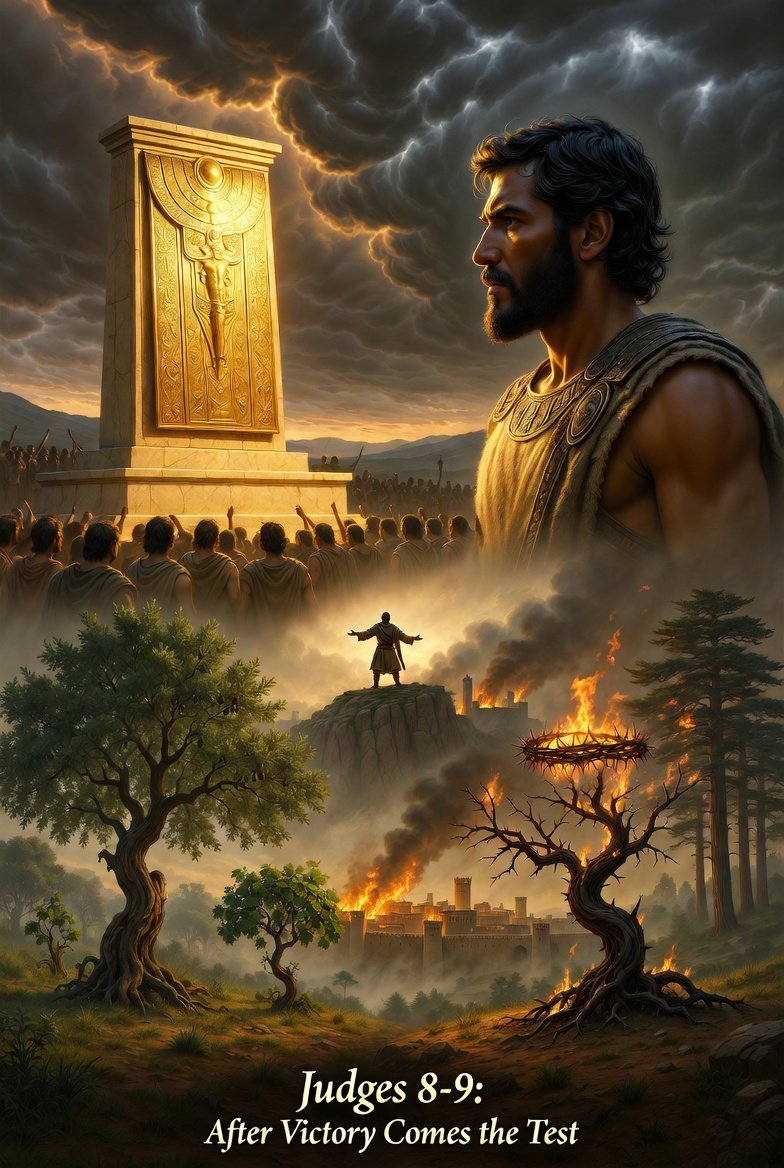
Judges Chapters 8-9
Judges 8–9 continues the story of Gideon (also called Jerubbaal) and reveals the bittersweet aftermath of his victory over the Midianites, showing both human wisdom and tragic failure, followed by the violent consequences of compromised leadership.
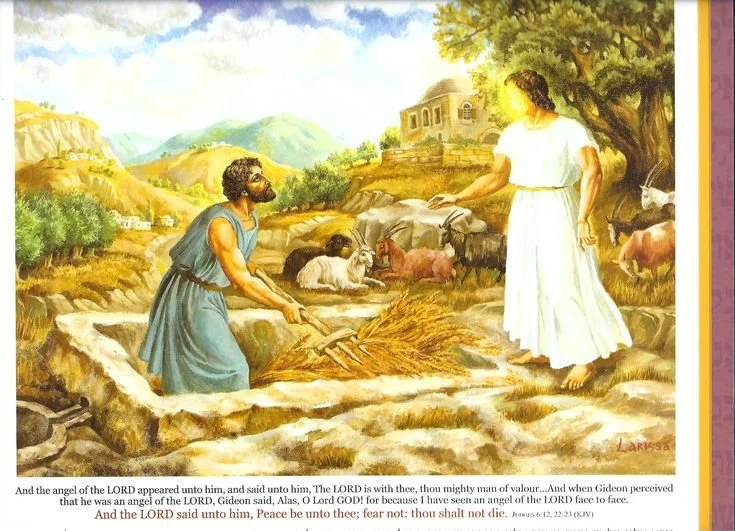
Judges Chapter 6-7
After Joshua’s death, the Israelites fell into a repeated cycle of sin: they abandoned the Lord, worshiped Canaanite idols (like Baal), and suffered oppression as a result.
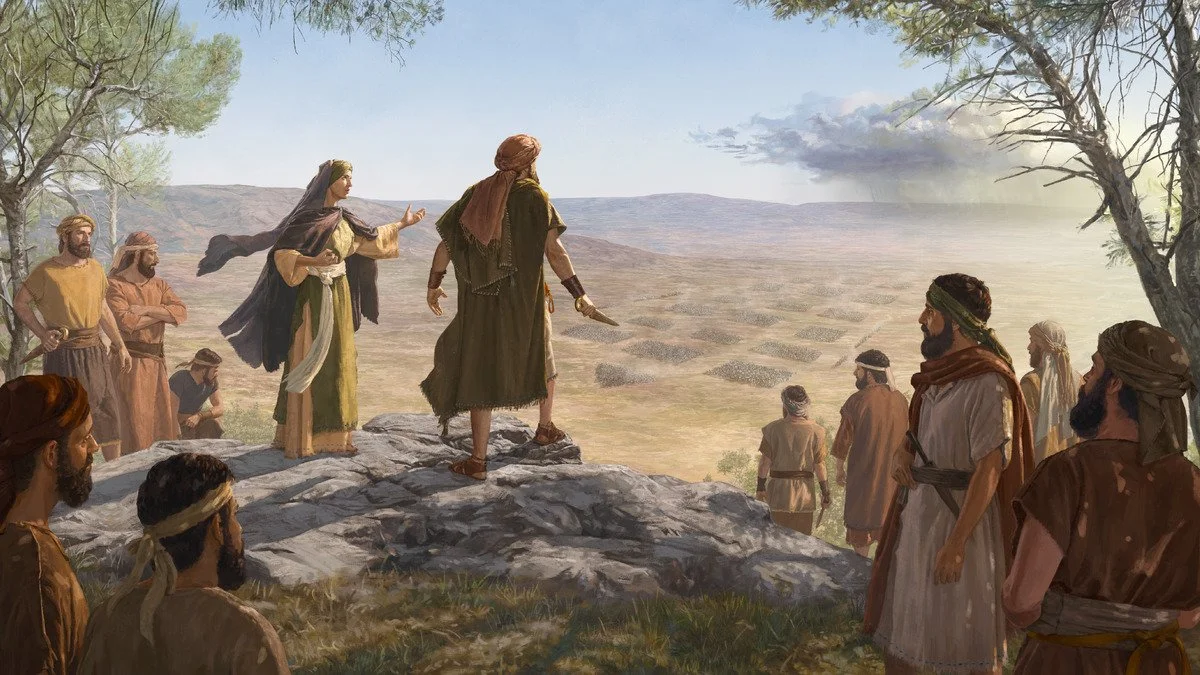
Judges Chapter 3-5
Judges chapters 3–5 form part of the Book of Judges in the Old Testament. They describe events in Israel’s history after Joshua’s death but before the monarchy, during a time when the people had no central king and were led by “judges” (military and spiritual deliverers raised up by God).
Judges Chapter 1-2
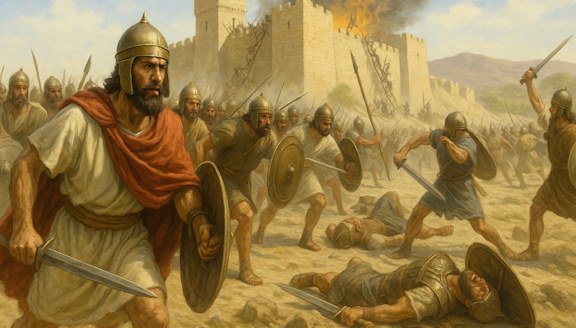
These chapters set the stage for Israel’s downward spiral by showing how incomplete obedience quickly led to spiritual compromise, generational forgetfulness, and the beginning of a tragic cycle.
Joshua Chapters 22-24
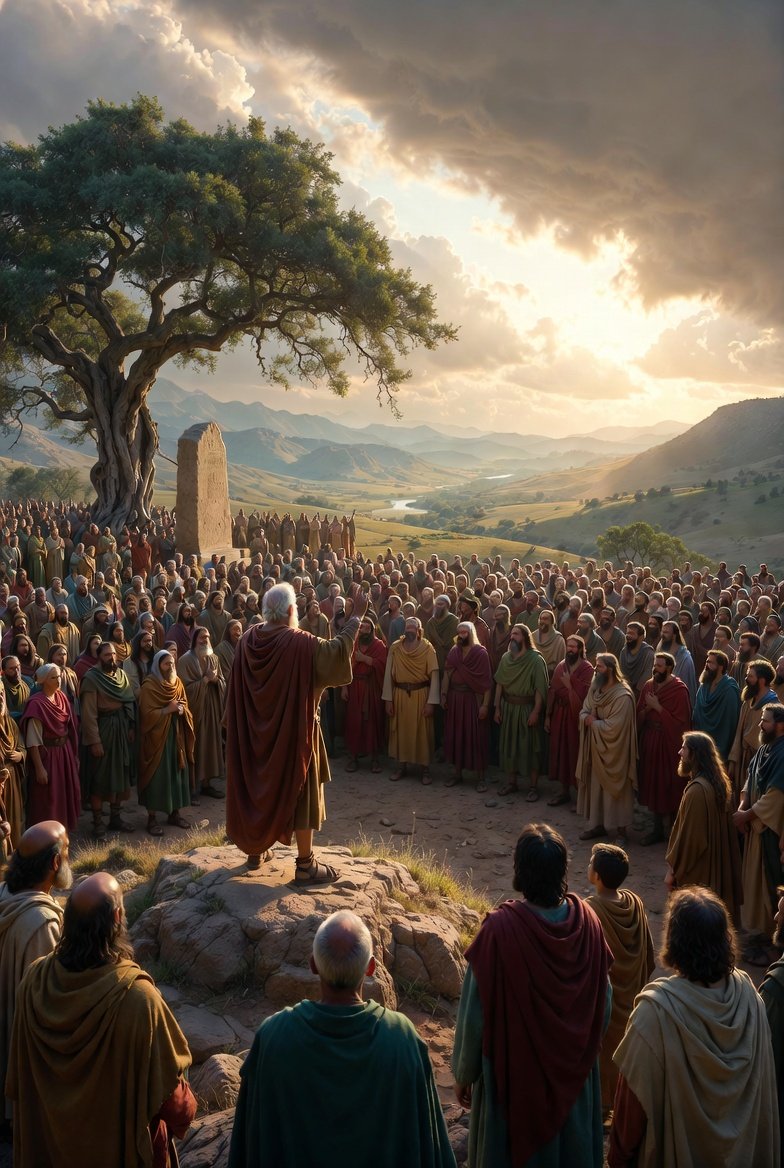
Joshua, nearing the end of his life, addresses the nation with urgency, much like Moses did in Deuteronomy. The chapters emphasize that possessing the land is not the end goal — staying faithful to God while living in the land is what matters most.
Joshua Chapter 19-21
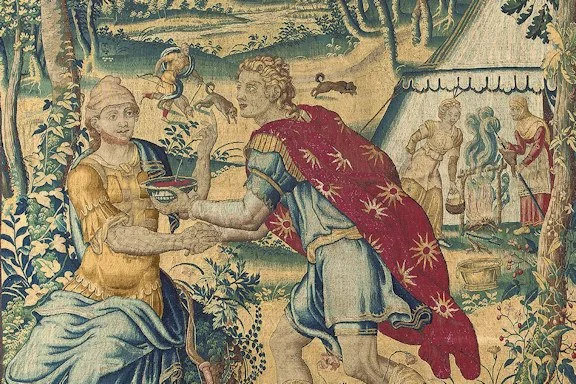
Joshua 19–21 wraps up the division of the Promised Land and highlights key themes of God’s faithfulness, sovereign provision, justice, and mercy.
Joshua Chapter 16-18
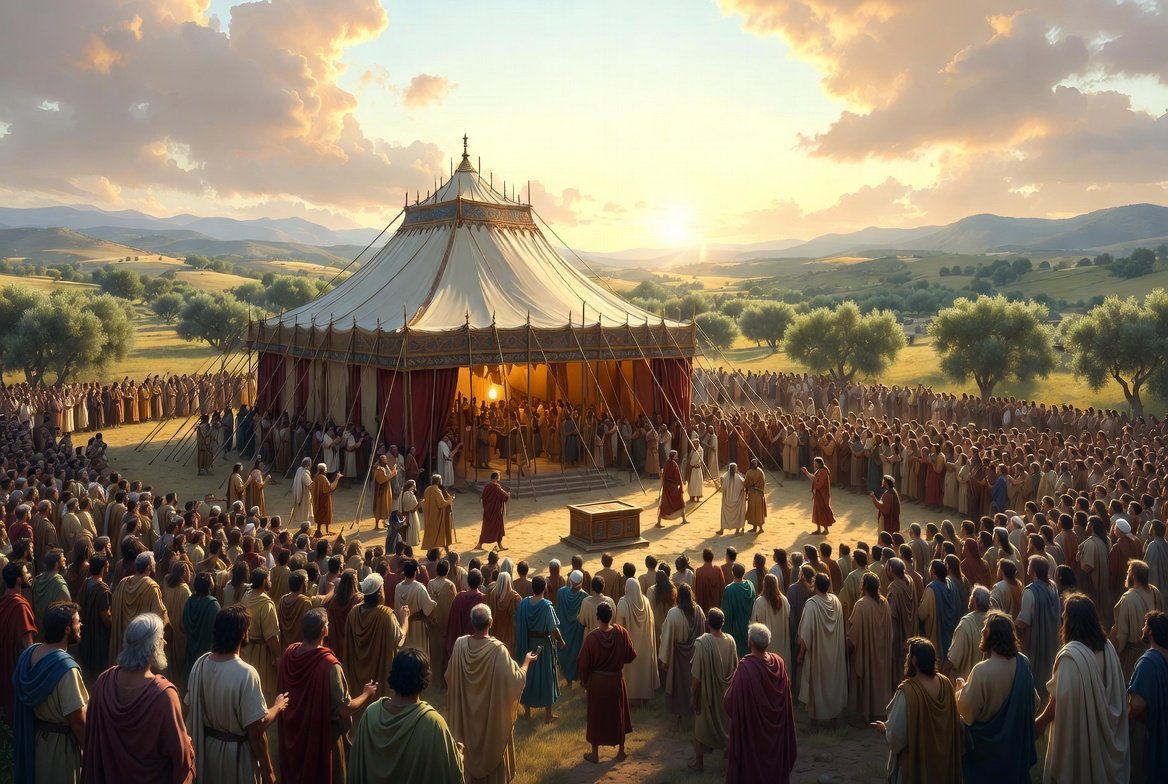
Joshua chapters 16–18 continue the division of the Promised Land west of the Jordan among the tribes of Israel, following the major conquests and the allotments to Judah and Caleb. These chapters emphasize both God’s faithfulness in giving the inheritance and the people’s responsibility to actively possess it.
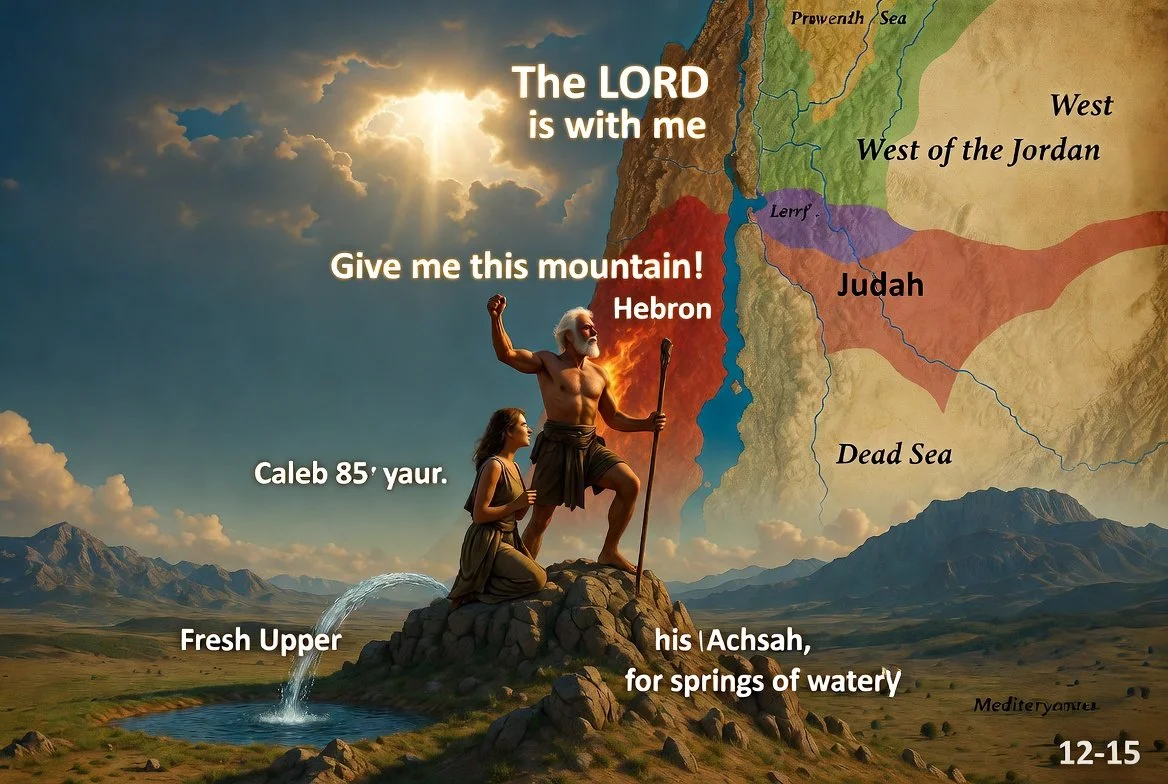
Joshua Chapter 12-15
Joshua chapters 12–15 mark a major transition in the Book of Joshua. They shift from the military conquest of Canaan (chapters 1–12) to the division and allocation of the land among the tribes of Israel, fulfilling God's long-standing covenant promises to Abraham and his descendants
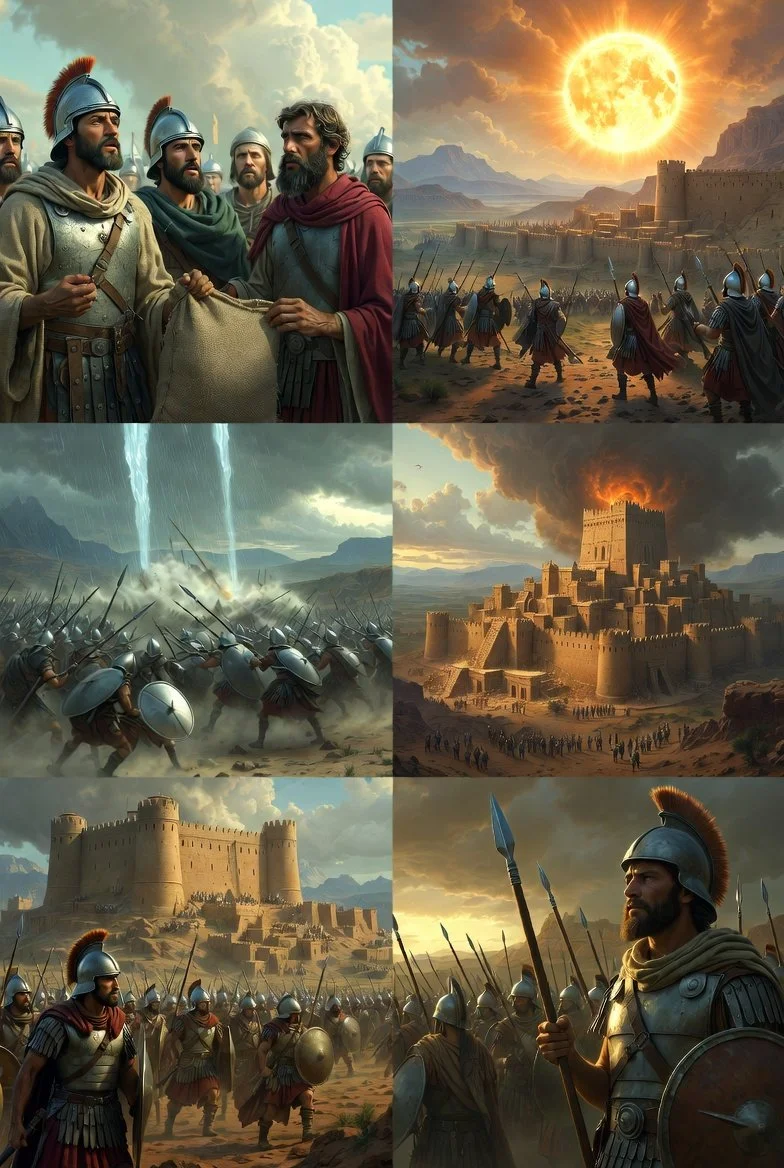
Joshua Chapter 9-11
Joshua 9–11 shifts to further campaigns as surrounding kings unite against Israel, beginning with the deceptive treaty with the Gibeonites and escalating into dramatic southern and northern victories, including God's miraculous intervention with hailstones and the famous long day.
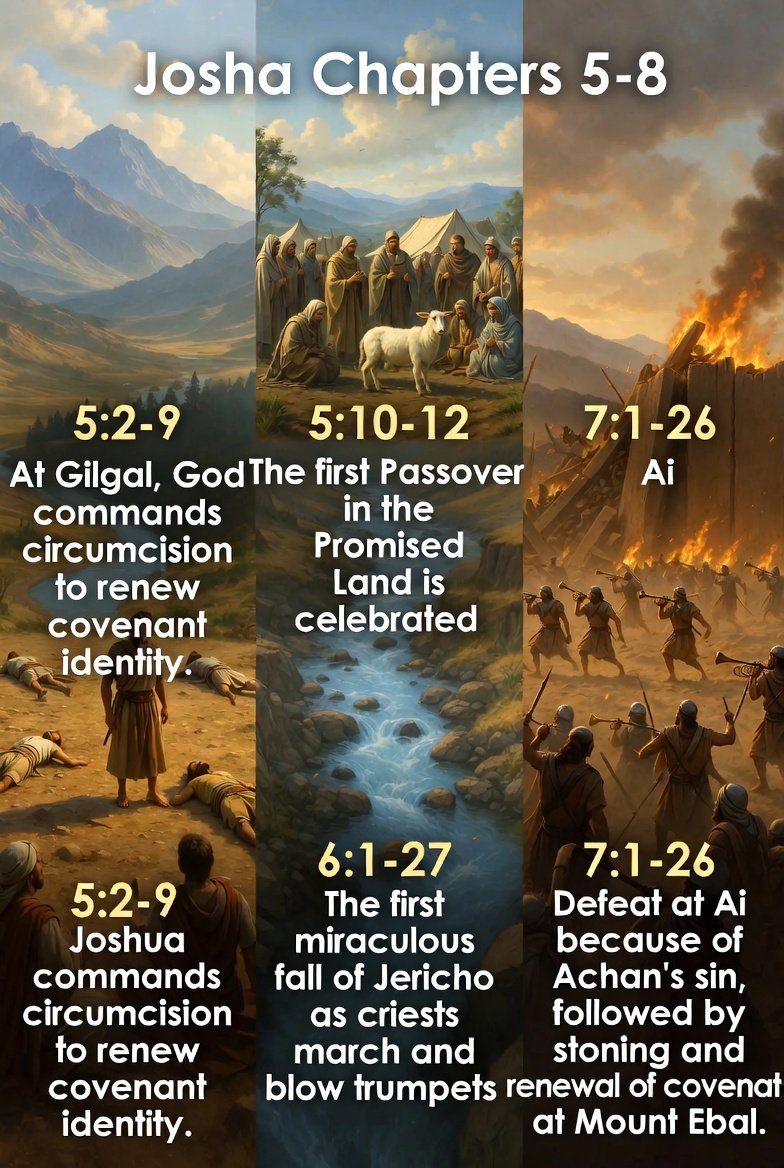
Joshua Chapters 5
Joshua 5–8, where the people renew their covenant with God, face their first major conquest at Jericho, experience defeat due to hidden sin, and ultimately see restoration through obedience and renewed faithfulness.
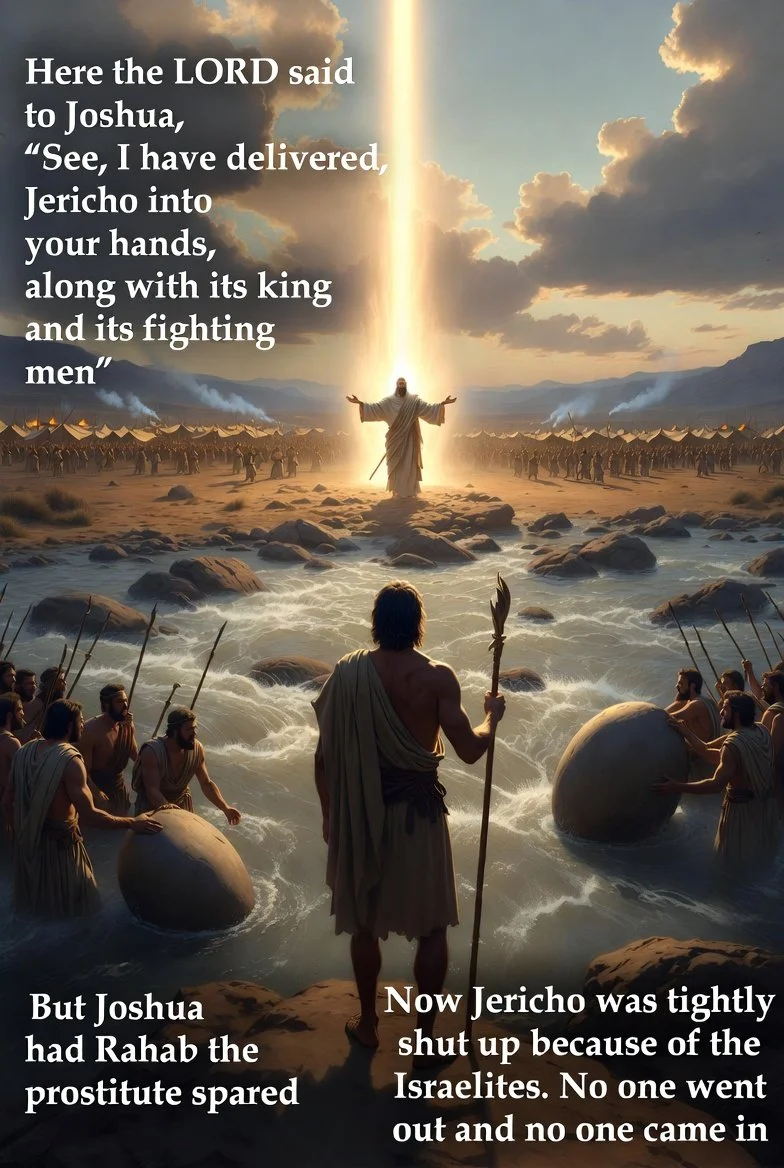
Joshua Chapters 1 - 4
Joshua chapters 1–4 pick up immediately, showing God's direct commission to Joshua to lead Israel across the Jordan into Canaan, the people's renewed commitment to obedience, the sending of spies to Jericho, and the miraculous crossing of the Jordan River on dry ground.