Chronological Study of the Bible.
Reading the Bible in chronological order follows the sequence of events as they occurred historically (based on scholarly research), rather than the traditional canonical order. This approach helps connect historical narratives, interweave Psalms and prophetic writings with related events, and provide better context (e.g., placing Job during the patriarchal period and harmonizing Gospel accounts).
Chronological Bible Study
-
Genesis 1 -3 January 1
Genesis 4 - 7 January 2
Genesis 8 - 11 January 3
Chapter 12-15 January 16
Chapters 16-18 January 17
Chapters 19-21 January 18
Chapters 22 - 24 January 19
Chapters 25 - 26 January 20
Chapters 27-29 January 21
Chapters 30-31 January 22
Chapters 32-34 January 23
Chapters 35 - 37 January 24
Chapters 38 - 40 January 25
Chapters 41-42 January 26
Chapters 43-45 January 27
Chapters 46-47 January 28
Chapters 48 - 50 January29
-
Chapter 1 - 5 January 4
Chapter 6 -9 January 5
Chapter 10 -13 January 6
Chapter 14-16 January 7
Chapter 17 -20 January 8
Chapter 21-23 January 9
Chapter 24-28 January 10
Chapter 29-31 January 11
Chapter 32-34 January 12
Chapter 35-37 January 13
Chapter 38-39 January 14
Chapter 40-42 January 15
-
Chapters 1 -3 January 30
Chapters 4-6 January 31
Chapters 7 -9 February 1
Chapters 10 - 12 February 2
Chapters 13 - 15 February 3
Chapters 16 - 18 February 4
Chapters 19-21 February 5
Chapters 22 - 24 February 6
Chapters 25 - 27 February 7
Chapters 28 - 29 February 8
Chapters 30 - 32 February 9
Chapters 33 - 35 February 10
Chapters 36 - 38 February 11
Chapters 39 - 40 February 12
-
Chapters 1 - 4 February 13
Chapters 5 - 7 February 14
Chapters 8 - 10 February 15
Chapters 11 - 13 February 16
Chapters 14 - 15 February 17
Chapters 16 - 18 February 18
Chapters 19 - 21 February 19
Chapters 22 - 23 February 20
Chapters 24 - 25 February 21
Chapters 26 - 27 February 22
-
Chapters 1 - 2 February 23
Chapters 3 - 4 February 24
Chapters 5 - 6 February 25
Chapters 7 February 26
Chapters 8-10 February 27
Chapters 11 - 13 February 28
Chapters 14 - 15, Psalm 90 March 1
Chapters 16 - 17 March 2
Chapters 18 - 20 March 3
Chapters 21-22 March 4
Chapters 23 - 25 March 5
Chapters 26 - 27 March 6
Chapters 28 - 30 March 7
Chapters 31 - 32 March 8
Chapters 33 - 34 March 9
Chapters 35-36 March 10
-
Chapters 1 - 2 March 11
Chapters 3 - 4 March 12
Chapters 5 - 7 March 13
Chapters 8-10 March 14
Chapters 11 - 13 March 15
Chapters 14 - 16 March 16
Chapters 17 - 20 March 17
Chapters 21 - 23 March 18
Chapters 24 - 27 March 19
Chapters 28 - 29 March 20
Chapters 30-31 March 21
Chapters 32 - 34, Psalm 91 March 22
-
Chapters 1 - 4 March 23
Chapter 5 - 8 March 24
Chapters 9 - 11 March 25
Chapters 12 - 15 March 26
Chapters 16 - 18 March 27
Chapters 19 -21 March28
Chapters 22 - 24 March 29
-
Chapters 1 - 2 March 30
Judges 3 - 5 March 31
Judges 6 - 7 April 1
Judges 8-9 April 2
Judges 10 - 12 April 3
Judges 13 - 15 April 4
Judges 16 - 18 April 5
Judges 19 - 21 April 6
-
Chapters 1 - 4 April 7
-
Psalm 90, Psalm 91, 11 & 59 April 13
7,27,31,34,52 April 15
56, 120, 140-142 April 16
17,35, 54,63 April 18, 18 April 19
121,123-125,128-130 April 20
6, 8 - 10, 14, 16, 19, 21 April 22
43 - 45, 49, 84 - 85, 87 April 24
73, 77 -78 April 26
81, 88, 92-93 April 28
102 - 104 April 30
1, 2, 15, 22-24, 47, 68 May 5
89, 96, 100, 101, 105, 132 May 6
25, 29, 33, 36, 39 May 8
50, 53, 60, 75 May 10, 20 May 11
65-67, 69, 70 May 12
32, 51, 86, 122 May 14
3-4, 12-13, 28, 55 May 16
26, 40, 58, 61-62, 64 May 18
5, 38, 41 - 42 May 20
57 May 21
95, 97 - 99 May 22
30 May 23
108-110 May 24
131,138, 139, 143 - 145 May 26
27 May 27
111 - 118 May 28
37, 71, 94 May 29
119 May 30
72 June 1
136 June 14
134, 146 - 150 June15
48 July 19
76 July 15
46, 80, 135 July 28
74, 79 August 18
137, September 18
126 September 29
-
Chapters 1-3 April 8
Chapters 4-8 April 9
Chapters 9 - 10 April 10
Chapters 13 -14 April 11
Chapters 15-17 April 12
Chapters 18 - 20, Psalm 11,59 April 13
Chapter 21-24 April 14
Chapters 25 - 27 April 17
Chapters 28 -31 April 19
-
Chapters 1 - 4 April 21
Chapter 5 May 1
Chapter 6-7 May 7
Chapter 8-9 May 9
Chapter 10 May 11
Chapters 11-12 May 13
Chapters 13- 15 May 15
Chapters 16 - 18 May 17
Chapter 19 - 21 May 19
Chapters 22 - 23 May 21
Chapter 24 May23
-
Chapter 1 - 2 April 23
Chapter 3 - 5 April 25
Chapter 6 April 27
Chapter 7 - 10 April 29
Chapter 11-12 May 1
Chapter 13 - 16 May 4
Chapter 17 May 7
Chapter 18 May 9,
Chapter 19, May 11
Chapter 20 May 13
Chapters 21-22 May 23
Chapters 23 - 25 May 25
Chapter 26 - 29 May 27
-
Chapter 1 June 1
Chapter 2 - 3 June 11
Chapter 4 June 12
Chapter 5 June 13
Chapter 6 - 7 June 14
Chapter 8 June 16
Chapter 9 June 21
Chapter 10 - 12 June 24
Chapter 13 - 16 June 25
Chapter 17 June 26
Chapter 18 June 29
Chapter 19 - 23 June 30
Chapter 24 July 5
Chapter 25 July 6
Chapter 26 July 8
Chapter 27 July 13
Chapter 28 July 15
Chapter 29-31 July 19
Chapter 32-33 August 3
Chapters 34 - 35 August 5
Chapter 36 August 19
-
Chapters 1 - 2 May 29
Chapters 3 - 4 May 31
Chapter 5-6 June 11
Chapter 7 June 12
Chapter 8 June 13
Chapter 9 June 16
Chapters 10 - 11 June 21
Chapters 12 - 14 June 23
Chapter 15 June 25
Chapter 16 June 26
Chapter 17 - 19 June 27
Chapters 20 - 21 June 28
Chapter 22 June 29
-
Chapters 1 - 4 July 2 Include Vital Statistics and BluePrint
Chapters 5 - 8 July 3
Chapters 9-11 July 4
Chapter 12-13 July 5
Chapter 14 July 6
Chapter 15 July 8
Chapter 16 - 17 July 15
Chapter 18 July 19
Chapter 19 July 28
Chapter 20 -21 August 2
Chapter 22-23 August 5
Chapter 24 - 25 August 19
-
-
-
Chapters 1 - 8 June 2
-
Chapter 1 - 6 June 19
Chapters 7 - 12 June 20
-
Chapter 1 July 1
-
Chapter 1 - 4 July 7
-
Chapter 1 - 4 July 9
Chapter 5-8 July 10
Chapter 9-12 July 13
Chapter 13-17 July 16
Chapter 18-22 July 17
Chapter 23-27 July 18
Chapter 28-30 July 22
Chapter 31-34 July 23
Chapter 35-36 July 24
Chapter 37-39 July 25
Chapter 40-43 July 26
Chapter 44 -48 July 27
Chapter 49-53 July 29
Chapter 54-58 July 30
Chapter 59-63 July 31
Chapter 64 - 66 August 1
-
Chapter 1 - 5 July 11
Chapter 6 -9 July 12
-
Chapters 1 - 7 July 14
-
Chapters 1 - 7 July 20
Chapters 8 - 14 July 21
-
Chapter 1-3 August 4
-
Chapters 1 - 3 August 6
-
Chapters 1 - 3 August 7
Chapters 4 - 6 August 8
Chapters 7-9 August 9
Chapters 10 - 13 August 10
Chapters 14- 17 August 11
Chapters 18 - 22 August 12
Chapters 23 - 25 August 13
Chapters 26 - 29 August 14
Chapters 30 - 31 August 15
Chapters 32 - 34 August 16
Chapters 35 - 37 August 17
Chapters 38 - 40 August 18
Chapters 41 - 45 August 21
Chapters 46 - 48 August 22
Chapters 49 - 50 August 23
Chapters 51 - 52 August 24
-
Chapters 1 - 3 August 20
-
Chapters 1 - 2 August 25
Chapters 3- 5 August 26
-
Chapter 1 - 4 August 27
Chapter 5 - 8 August 28
Chapter 9 - 12 August 29
Chapter 13 - 15 August 30
Chapter 16 - 17 August 31
Chapter 18 - 20 September 1
Chapter 21 - 22 September 2
Chapter 23 - 24 September 3
Chapter 25 - 27 September 4
Chapter 28 - 30 September 5
Chapter 31 - 33 September 6
Chapter 34 - 36 September 7
Chapter 37 - 39 September 8
Chapter 40 - 42 September 9
Chapter 43 - 45 September 10
Chapter 46 - 48 September 11
-
Chapter 1 - 3 September 12
-
Chapters 1 - 3 September 13
Chapters 4 - 6 September 14
Chapters 7 - 9 September 15
Chapters 10 - 12 September 16
-
Chapters 1 - 2 September 19
-
-
Chapter 1 - 5 September 23
Chapter 6 - 10 September 24
-
Chapters 1 - 5 September 26
Chapters 6 - 7 September 27
Chapters 8 - 10 September 28
Chapters 11 - 13, September 29
-
Chapters 1 - 4 September 30
-
-
Chapter 1 October 1
Chapter 2 October 2
Chapter 3 October 4
Chapters 4, 5 October 5
Chapter 6 October 9
Chapter 7 October 11
Chapter 11 October 13
Chapter 8 October 14
Chapter 9 October 17
Chapter 10 October 25
Chapter 12, 13 October 26
Chapter 14, 15 October 27
Chapter 16, 17 October 28
Chapter 18 October 30
Chapter 19 November 2
Chapter 20-21 November 5
Chapter 22 November 10
Chapter 23 November 13
Chapter 24 November 15
-
Chapter 1 October 1
Chapters 2,3, 4 October 6
Chapter 5 October 8
Chapter 6 October 18
Chapter 7, 8 October 23
Chapter 9, 10 October 24
Chapter 11 October 29
Chapter 12 November 3
Chapter 13 November 10
Chapter 14-17 November 11
Chapter 18-19 November 13
Chapter 20-21 November 15
-
Chapter 1 October 2
Chapter 2 October 3
Chapter 3 October 4
Chapter 4 October 5
Chapter 8 October 7
Chapter 12 October 9
Chapter 5, 6, 7, October 10
Chapter 9 October 11
Chapter 11 October 12
Chapter 13 October 14
Chapter 10 October 16
Chapter 14 October 17
Chapter 15 October 19
Chapter 16 October 20
Chapter 17 October 21
Chapter 18 October 22
Chapter 19 October 31
Chapter 20-21 November 1
Chapter 22 November 4
Chapter 23 November 5
Chapter 24 November 7
Chapter 25 November 8
Chapter 26 November 9
Chapter 27 November 12
Chapter 28 November 14
-
Chapter 1 October 4
Chapter 2 October 7
Chapter 3 October 9
Chapter 4, 5, October 15
Chapter 6 October 17
Chapter 7 October 19
Chapter 8 October 20
Chapter 9 October 21
Chapter 10 October 31
Chapter 11 November 3
Chapter 11 November 3
Chapter 12 November 4
Chapter 13 November 6
Chapter 14 November 9
Chapter 15 November 12
Chapter 16 November 14
-
Chapter 1-3 November 16
Chapter 4 - 6 November 17
Chapter 7-8 November 18
Chapter 9-10 November 19
Chapter 11-12 November 20
Chapter 13-14 November 21
Chapter 15-16 November 23
Chapter 17 November 26
Chapter 28-19 November 28
-
Chapter 1-5 November 22
-
Chapter 1-3 November 24
Chapter 4-6 November 25
-
Chapter 1-5 November 27
-
Chapter 1 - 3 November 27
-
Chapter 1 - 4 November 29
Chapter 5 - 8 November 30
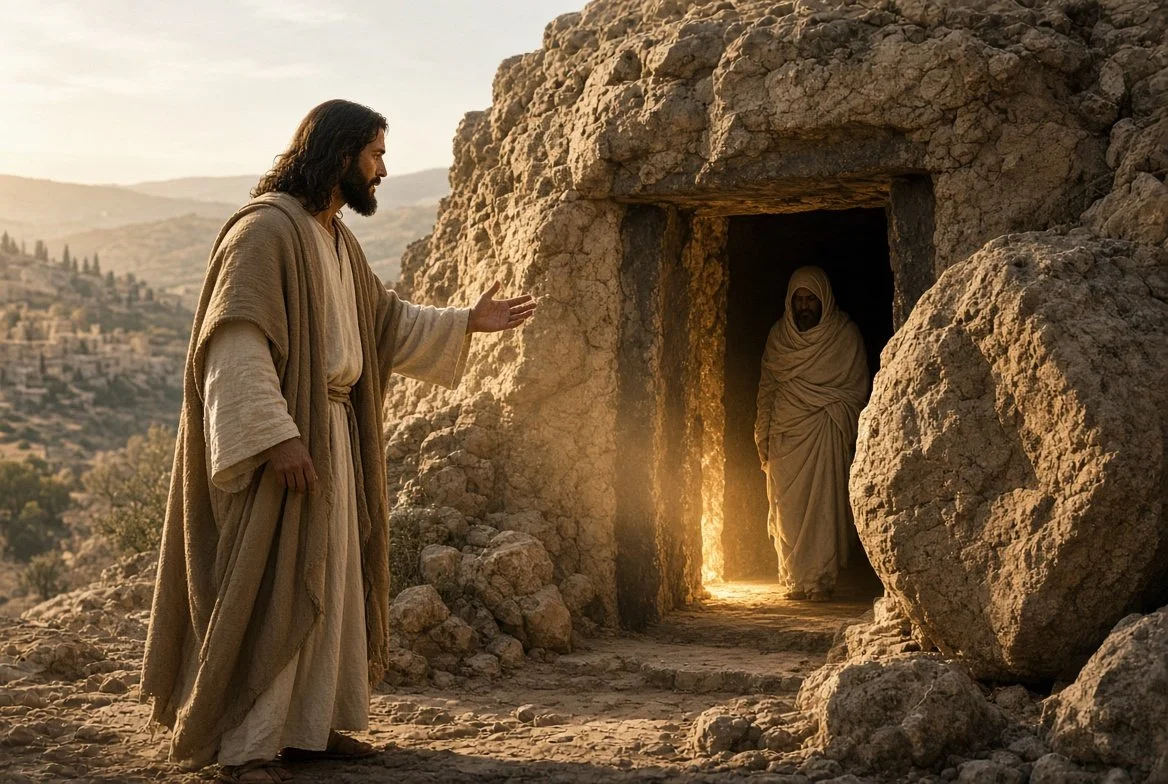
John Chapter 11
In John 11, Jesus receives the urgent news of Lazarus’s illness and, through grief and power, reveals His authority over death and the promise of resurrection.
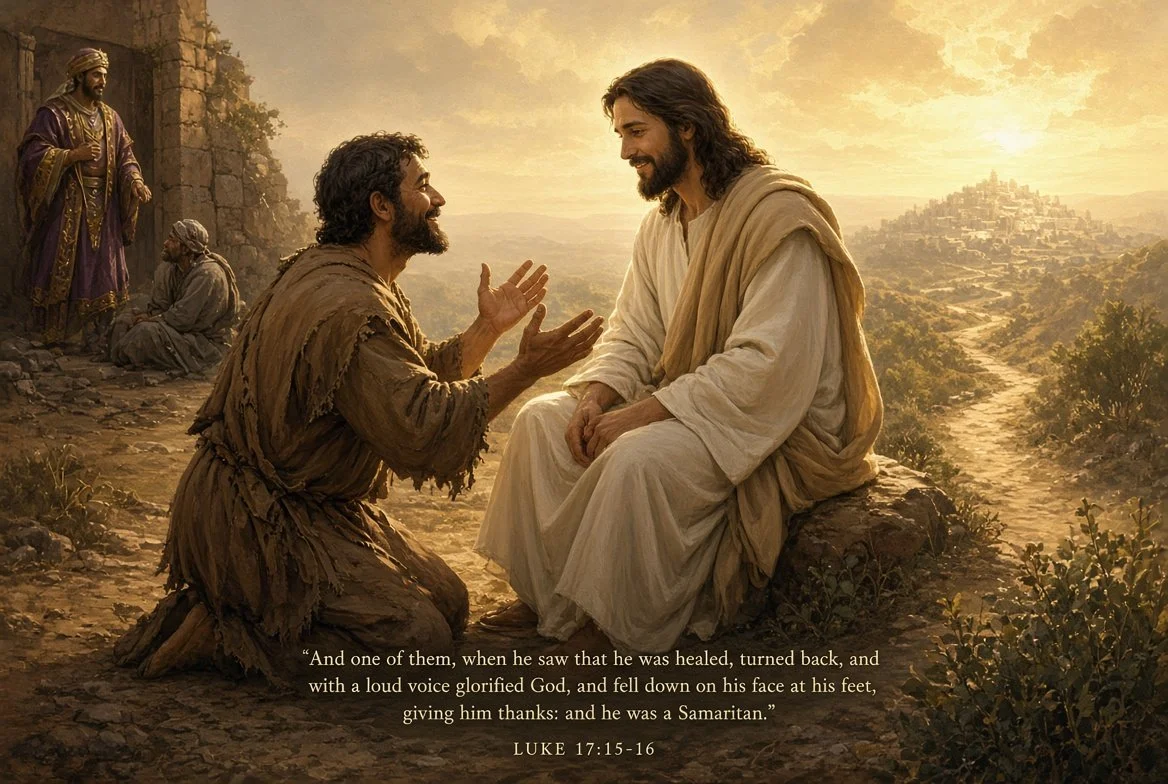
Luke Chapters 16-17
Luke 16–17 presents Jesus’ teachings and parables about stewardship, mercy, and the coming kingdom, calling listeners to faithful living, humility, and readiness.
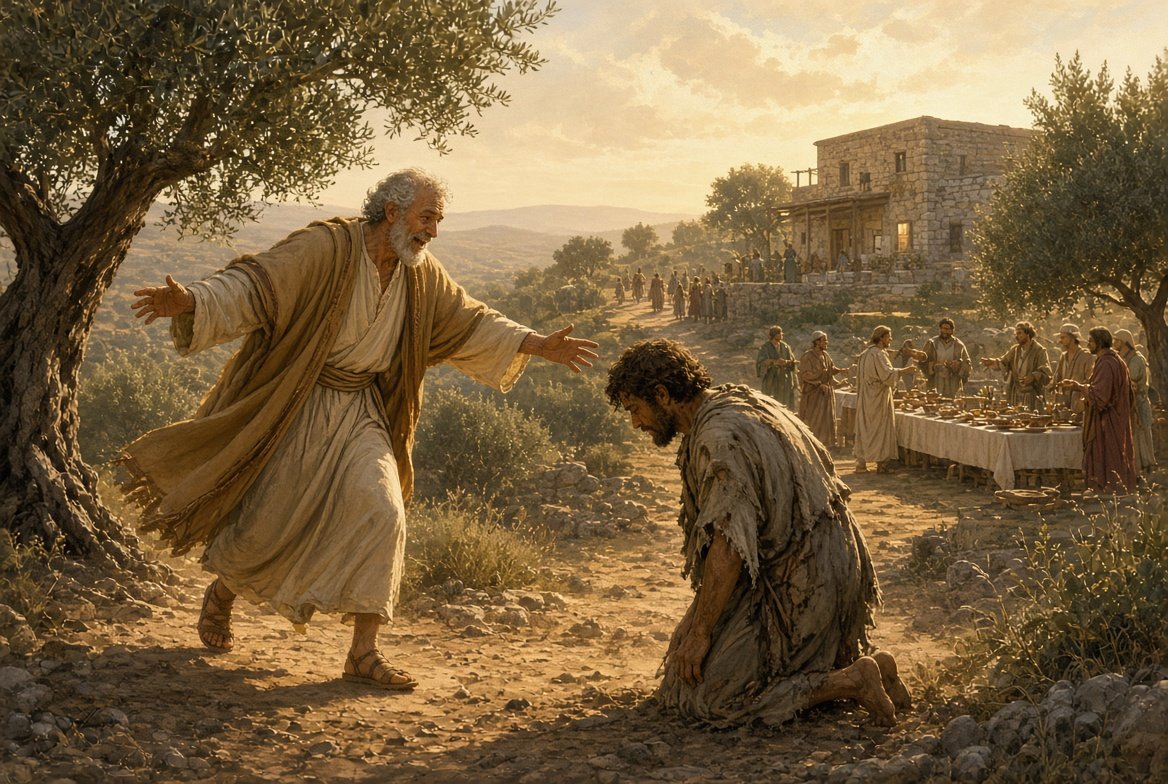
Luke Chapters 14 - 15
Luke chapters 14–15 invite readers to reflect on humility, compassion, and God's relentless grace through teachings, parables, and practical examples of faith lived in community.
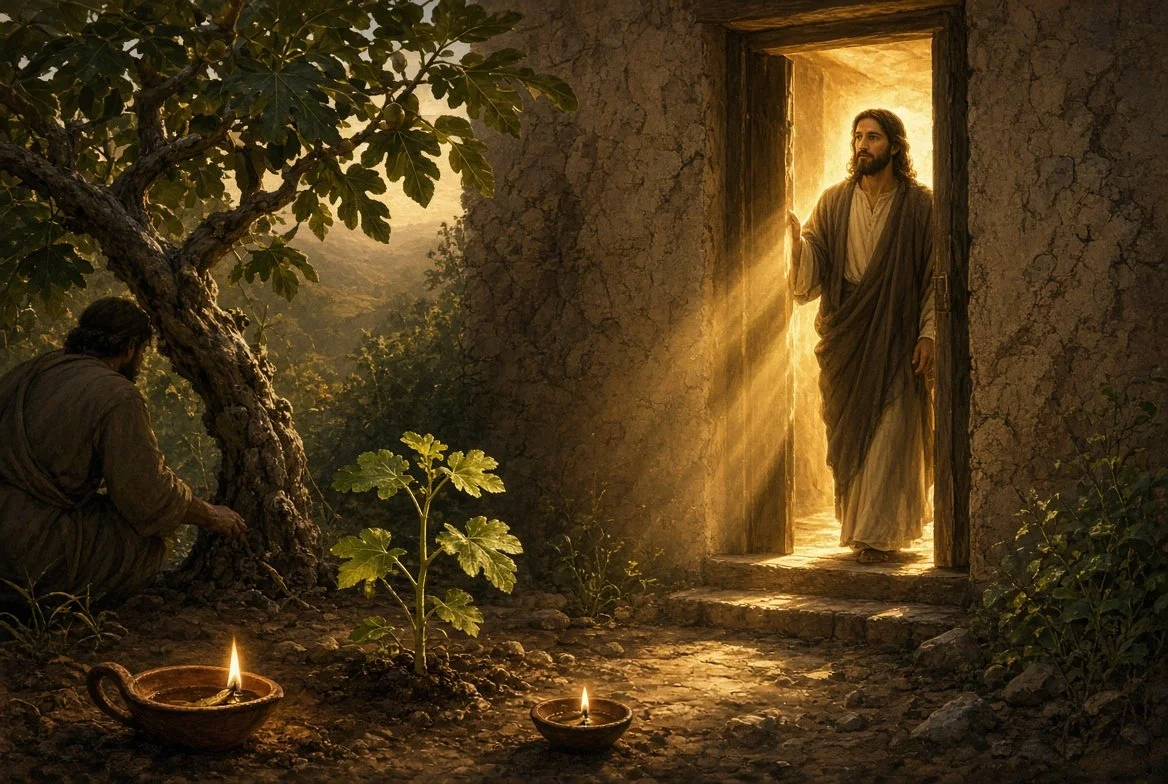
Luke Chapters 12-13
Luke 12–13 presents Jesus teaching on watchfulness, stewardship, and the kingdom of God—urging readiness, faithful service, and repentance.

Luke Chapter 10
Luke 10 introduces Jesus sending out seventy-two disciples to proclaim the kingdom of God, heal the sick, and witness His peace as they go.

John Chapters 9-10
In John 9–10, Jesus reveals his power and identity through the healing of a man born blind and through teachings about spiritual sight, shepherding, and the contrast between true and false leaders.

John Chapters 7 -8
Chapters 7 and 8 of the Gospel of John present Jesus teaching and confronting controversy in Jerusalem, revealing his identity through contentious debates, signs, and the radical offer of freedom and light to those who believe.
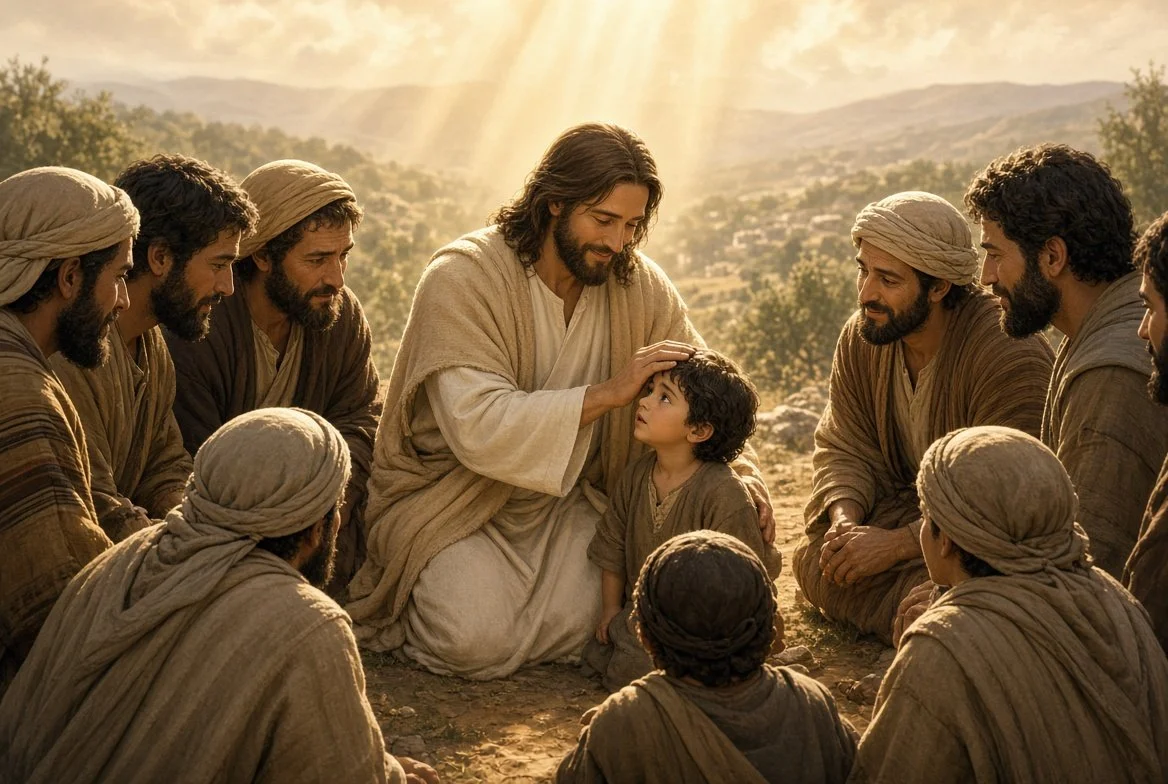
Matthew Chapter 18
In Matthew 18, Jesus teaches about humility, care for the vulnerable, forgiveness, and the daily practice of kingdom relationships among his followers.
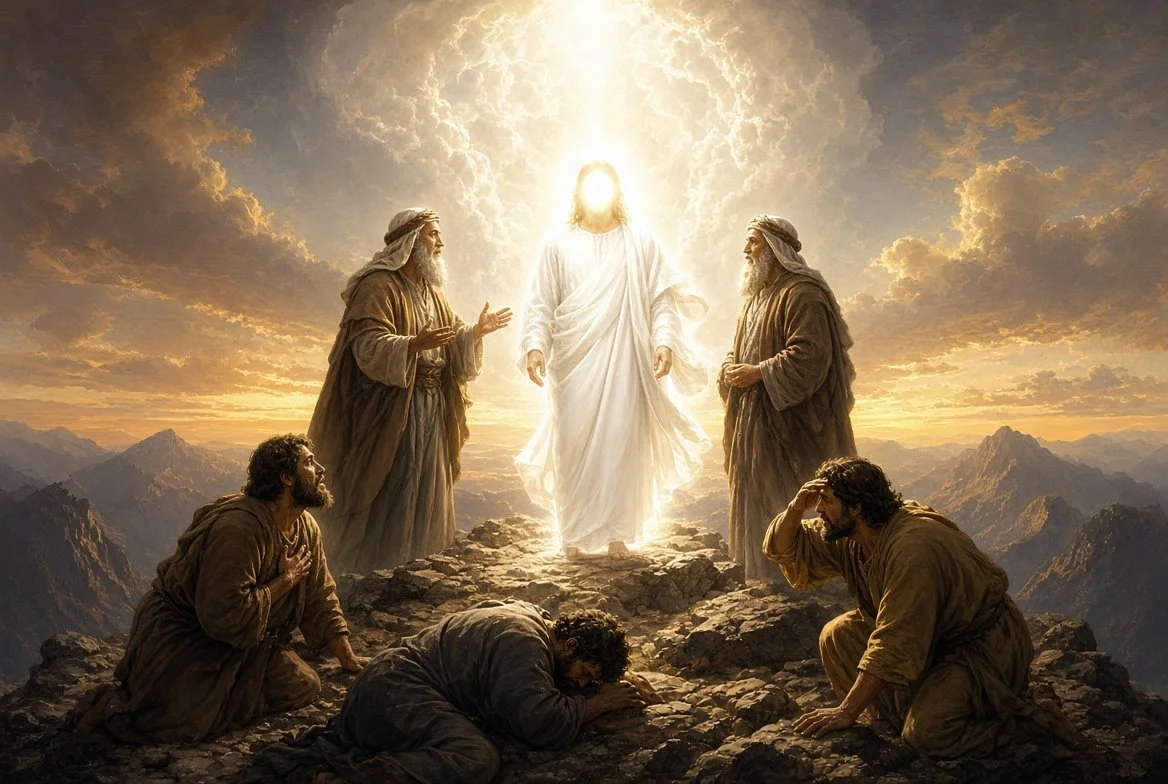
Matthew Chapter 17, Mark Chapter 9
Matthew 17: A mountain-top revelation where Jesus is gloriously transfigured before Peter, James, and John, revealing his divine majesty and confirming the fulfillment of Scripture.
Mark 9: Jesus is transfigured into radiant glory before three disciples, providing a profound glimpse of his heavenly identity and preparing them for the path of suffering and service ahead.
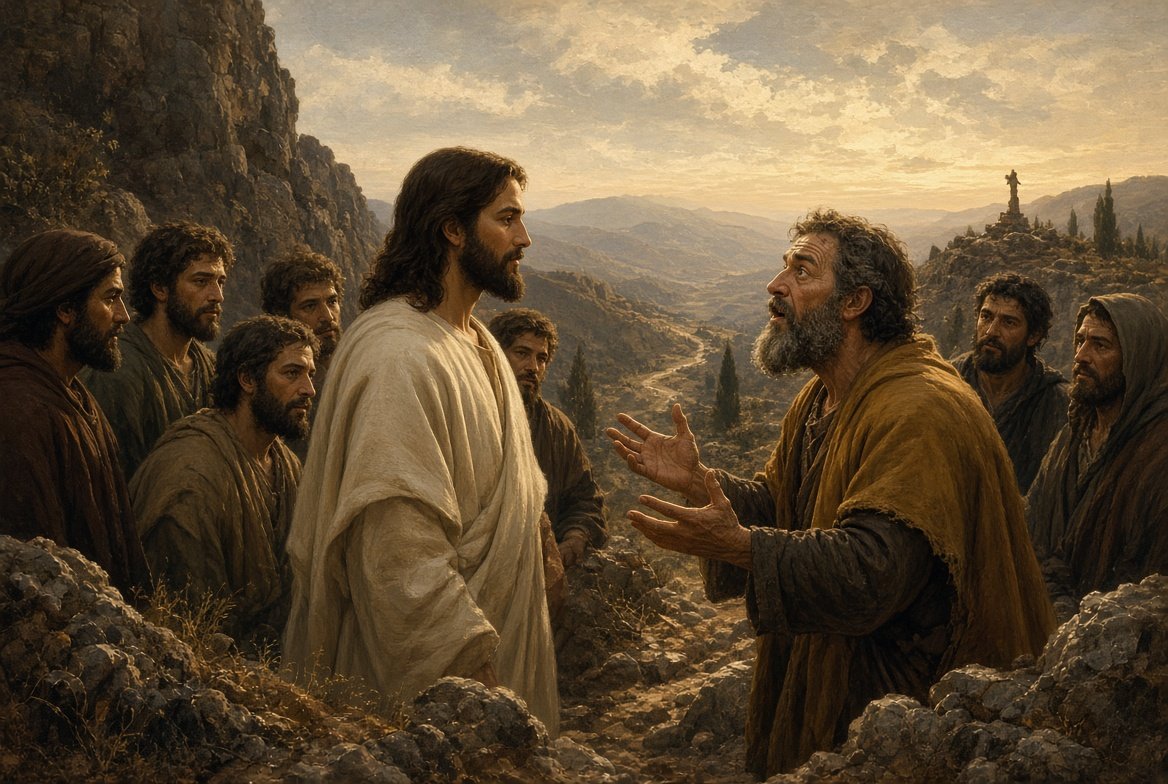
Matthew Chapter 16, Mark Chapter 8
Matthew 16: Jesus tests his disciples’ understanding of who he is and teaches about the cost of true discipleship.
Mark 6: Jesus withdraws for rest and renewal, yet continues to serve others through teaching, healing, and compassionate provision.
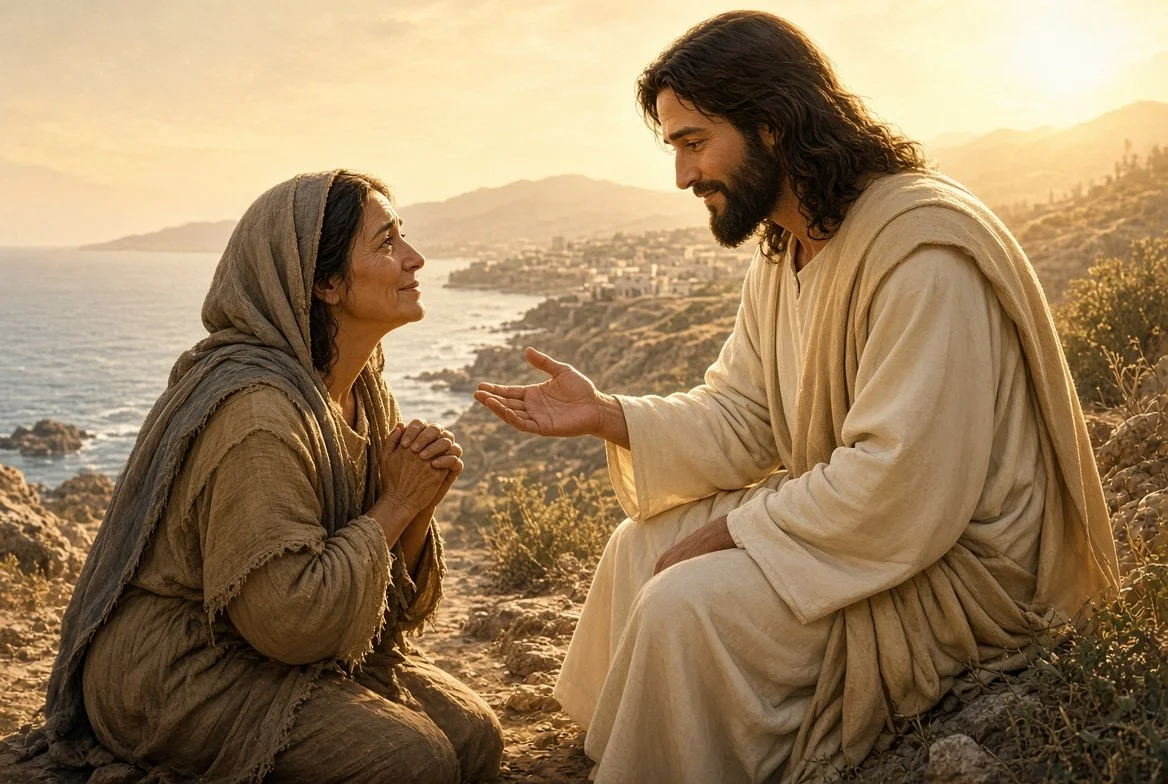
Matthew Chapter 15, Mark Chapter 7
Matthew 15 and Mark 7 record Jesus confronting religious hypocrisy, teaching about what truly defiles a person, and revealing that purity comes from the heart rather than mere outward rituals.
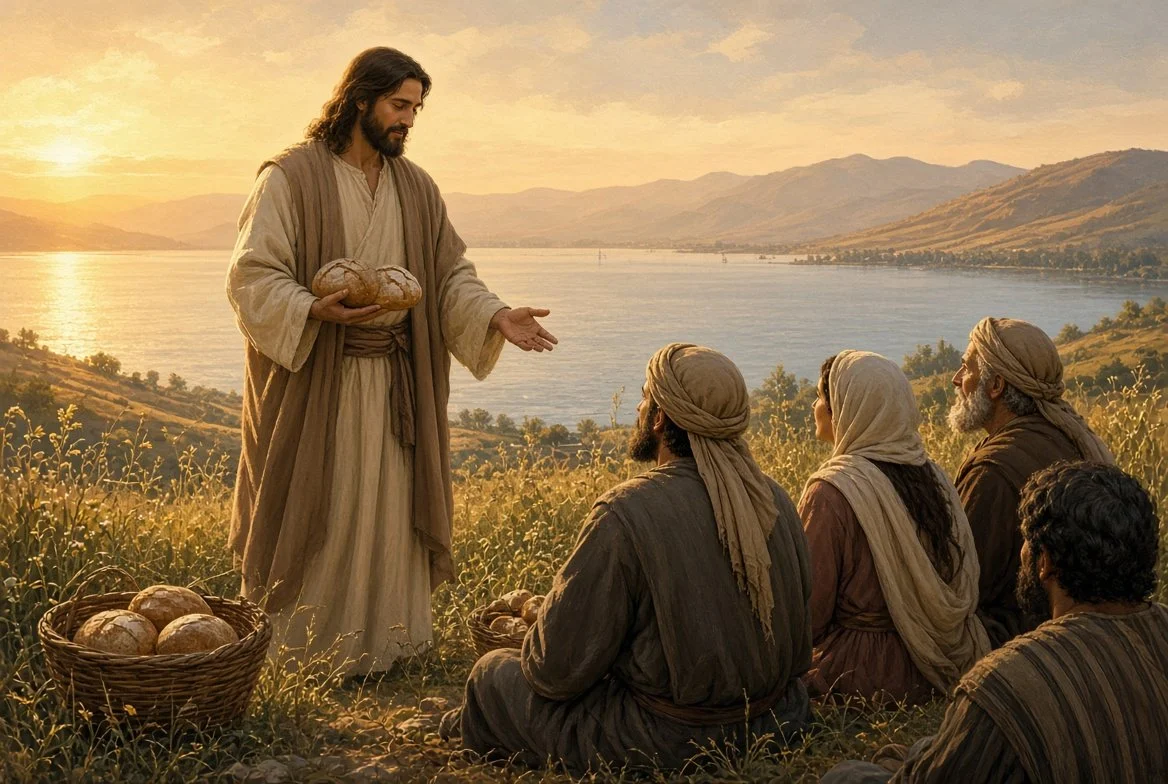
John Chapter 6
John 6 opens with Jesus withdrawing to the shore where a large crowd follows Him, setting the scene for the teaching and miracle that reveal His identity as the Bread of Life.
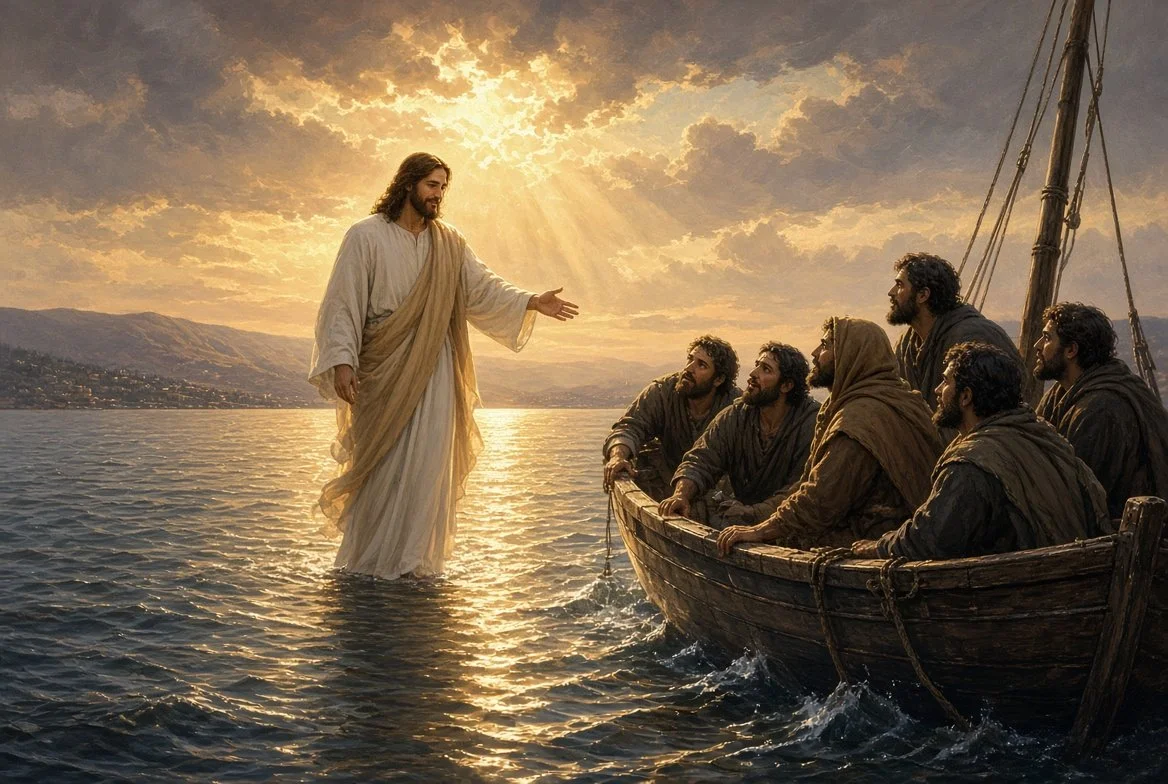
Matthew Chapter 14, Mark 6 and Luke Chapter 9
Matthew 14: An account of Jesus withdrawing to a solitary place, the feeding of the five thousand, and His power over nature revealed in the storm on the Sea of Galilee.
Mark 6: A recounting of Jesus’ rejection at Nazareth, the sending of the twelve, the miraculous feedings, and demonstrations of His authority over sickness and nature.
Luke 9: The story of Jesus empowering the twelve to minister, Peter’s confession, the transfiguration, and teachings on discipleship as He sets His face toward Jerusalem.
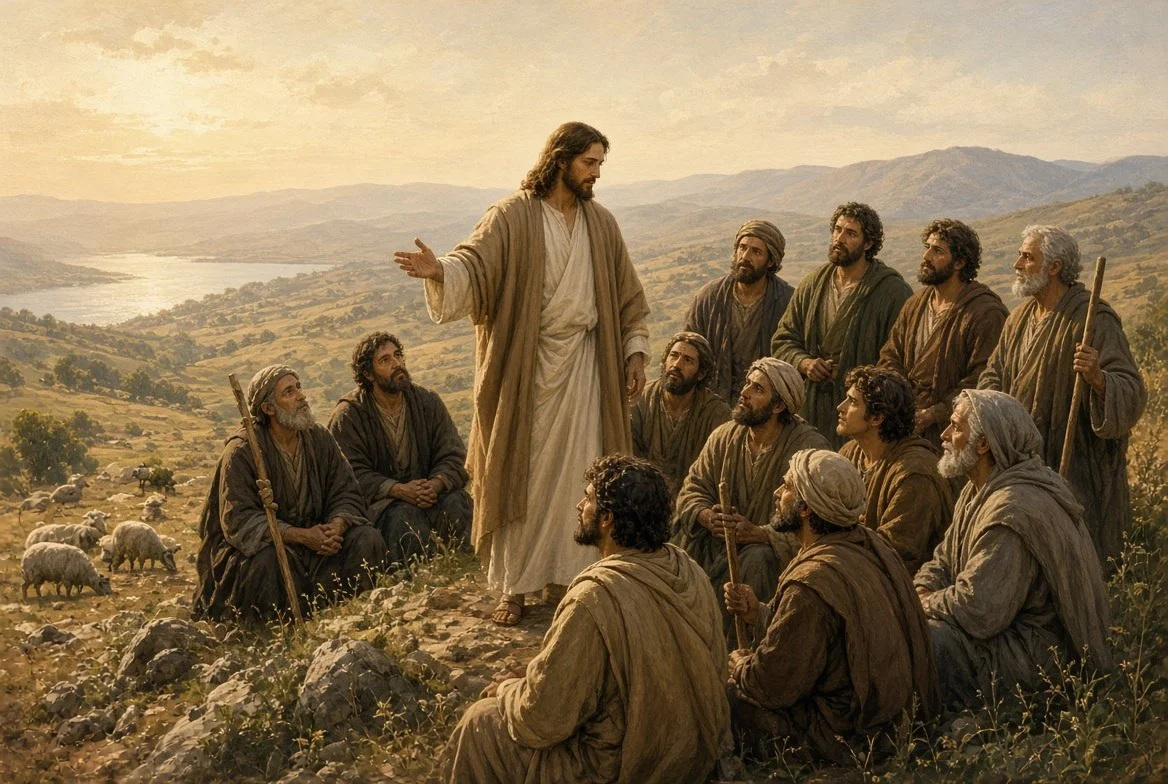
Matthew Chapter 10
Matthew 10 begins with Jesus calling and empowering his twelve disciples, sending them out to proclaim the kingdom of heaven, heal the sick, and confront the cost of discipleship.
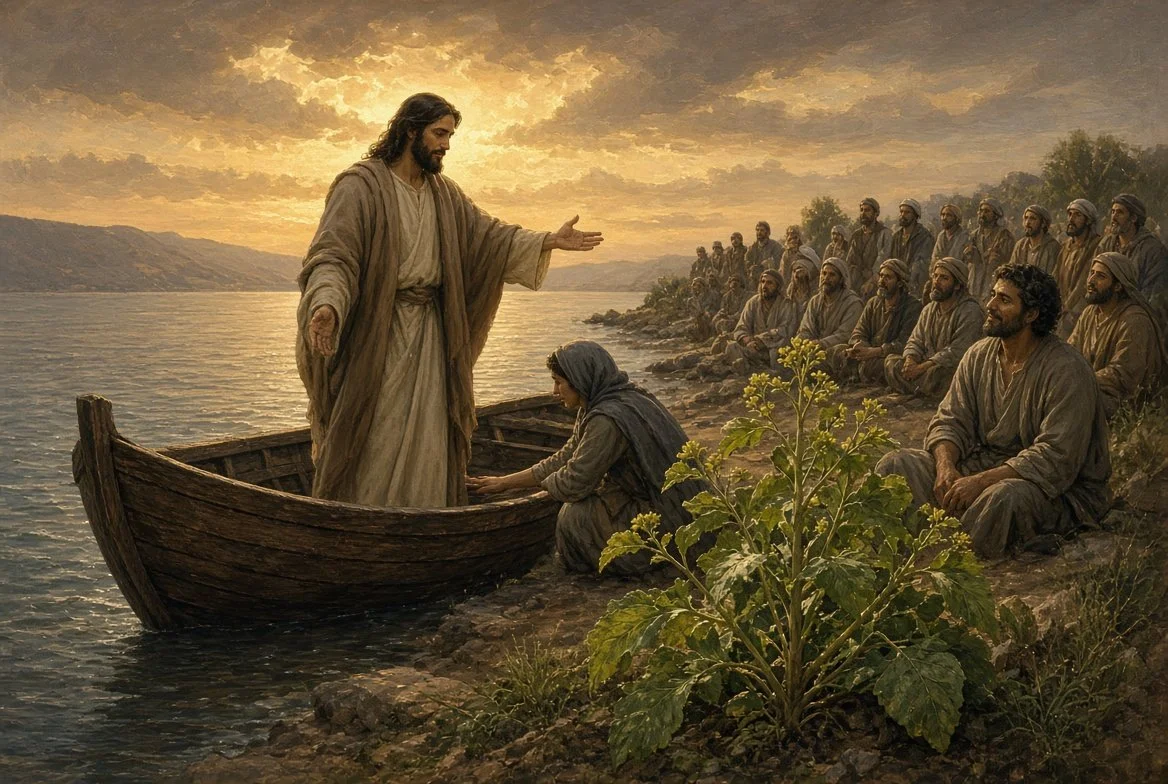
Mark Chapters 4-5
In Mark 4–5, Jesus teaches through parables and performs powerful miracles, revealing both the mystery of the kingdom of God and his authority over nature, illness, and spiritual forces.
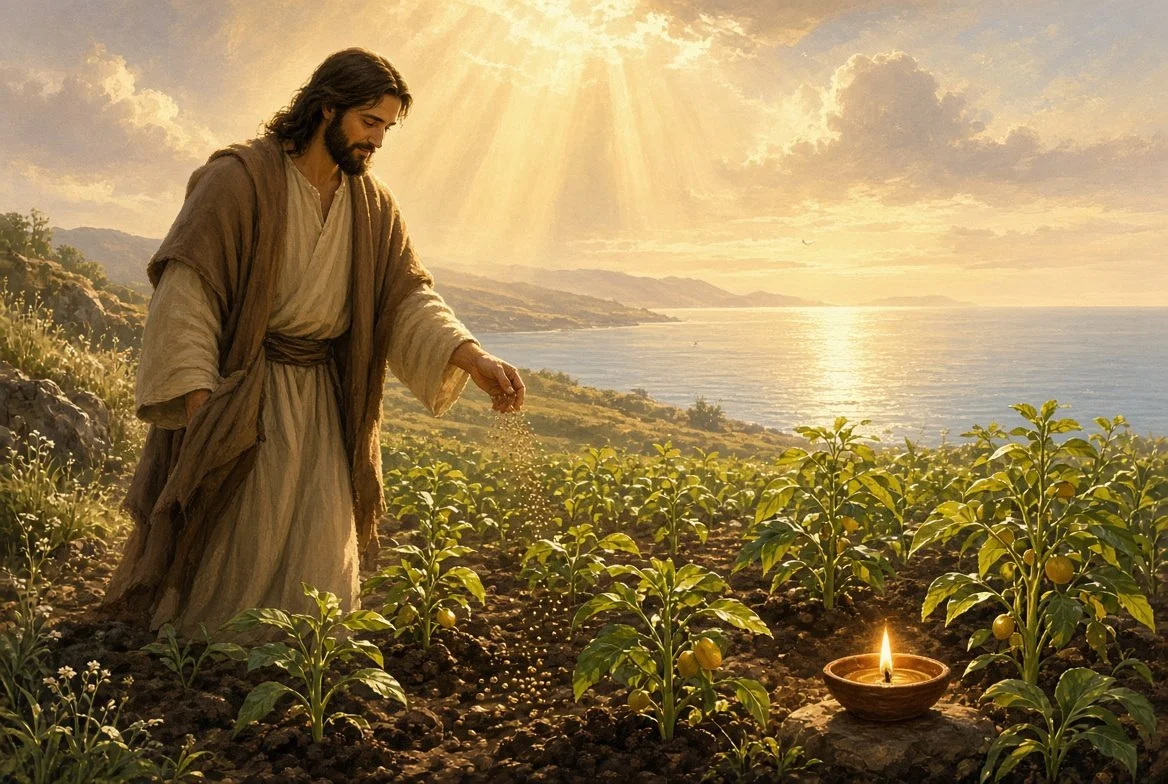
Matthew Chapter 13 , Luke Chapter 8
In Matthew 13 and Luke 8, Jesus begins teaching in parables, unveiling kingdom truths through everyday images that invite hearers to listen, reflect, and respond with faith.
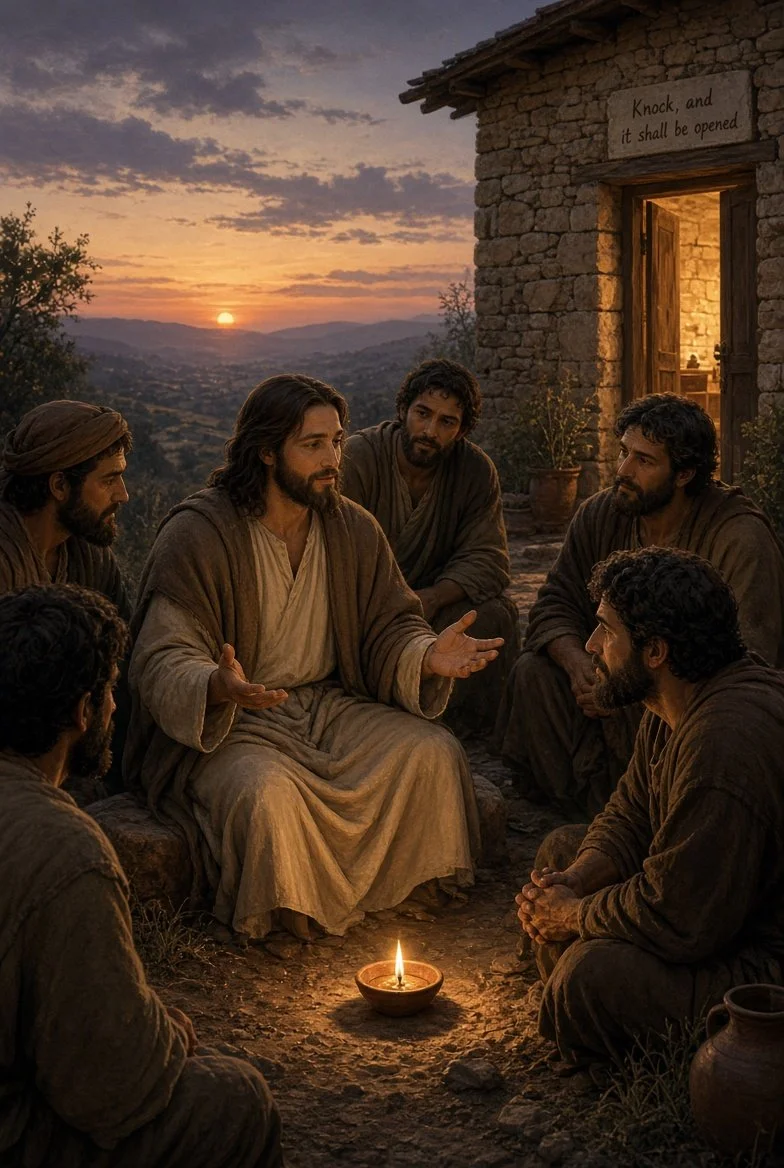
Luke Chapter 11
Jesus continued teaching and praying, moving from private instruction to public demonstration as he answered his disciples' request for a lesson on prayer and confronted the crowds with signs of God's kingdom.
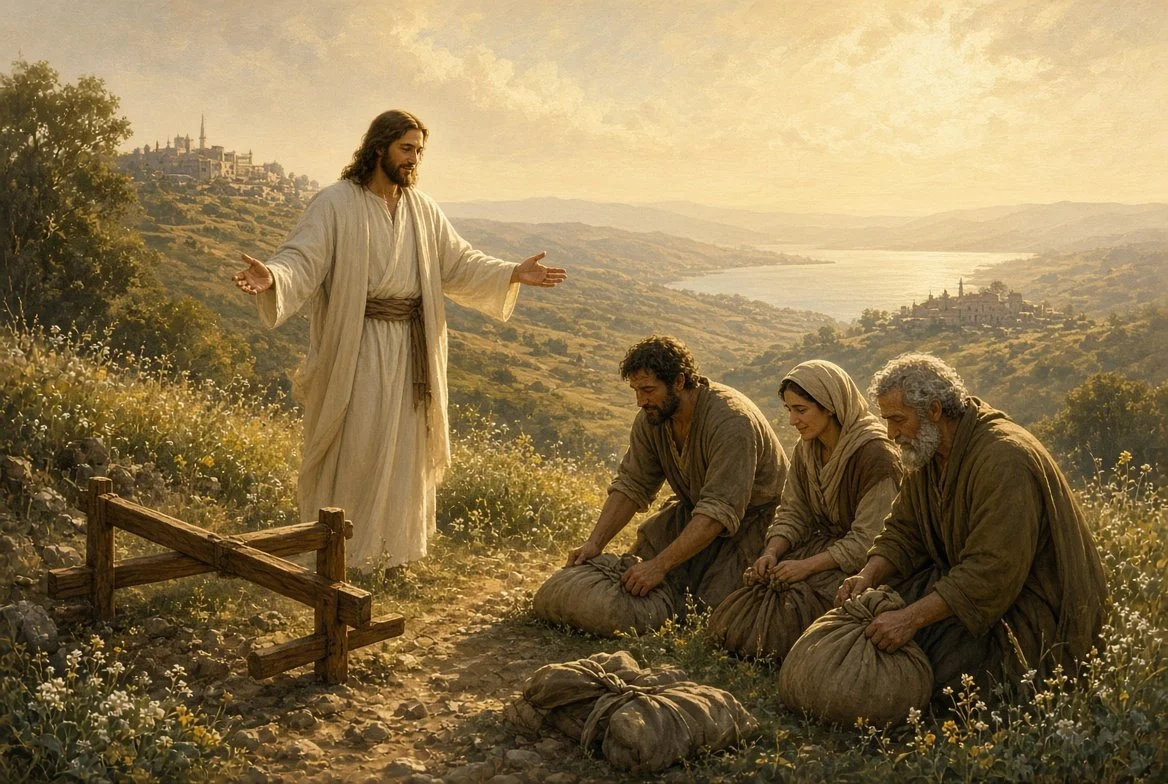
Matthew Chapter 11
Matthew 11 opens with Jesus speaking about the work of John the Baptist and teaching about the nature of the kingdom of heaven, calling listeners to recognize God’s mercy and to find rest in Him.
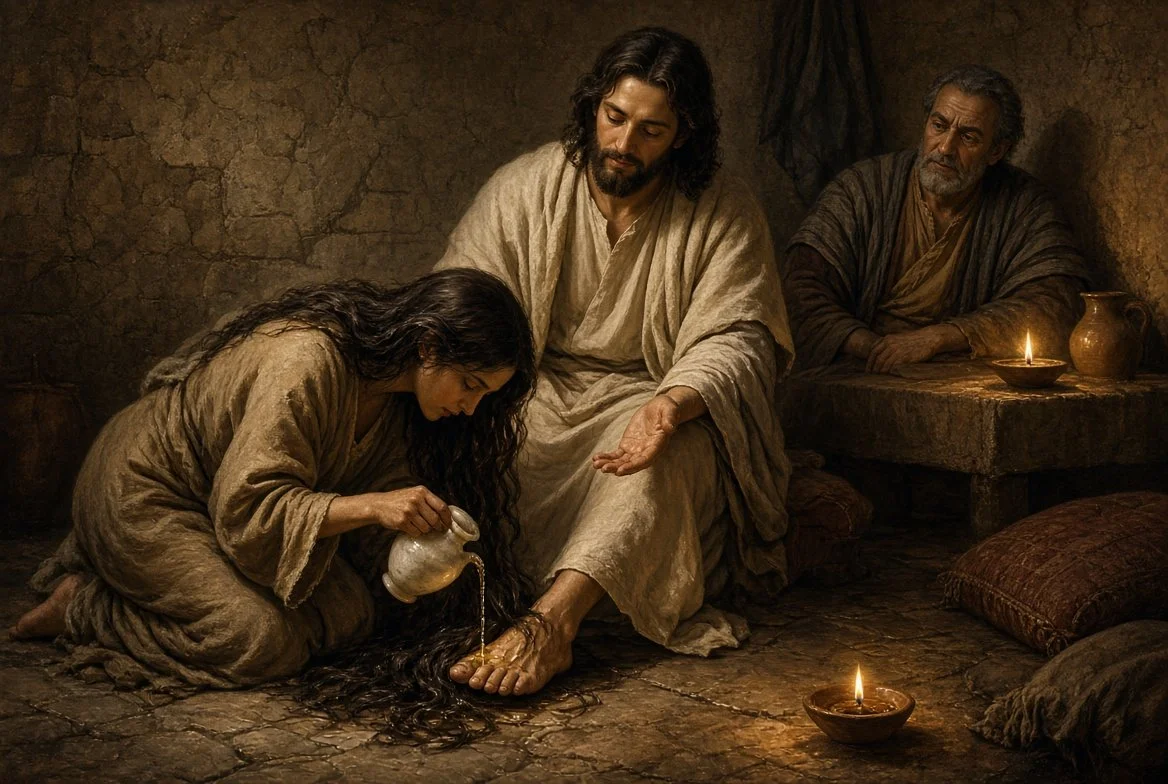
Matthew Chapter 9 and Luke Chapter7
Matthew 9: In this chapter, Jesus heals, forgives sins, calls Matthew to follow him, and teaches about the kingdom of God through parables and compassion for the crowds.
Luke 7: In this chapter, Jesus demonstrates authority over illness and death, offers words of comfort and forgiveness, and responds to questions about his identity through powerful deeds and teaching.
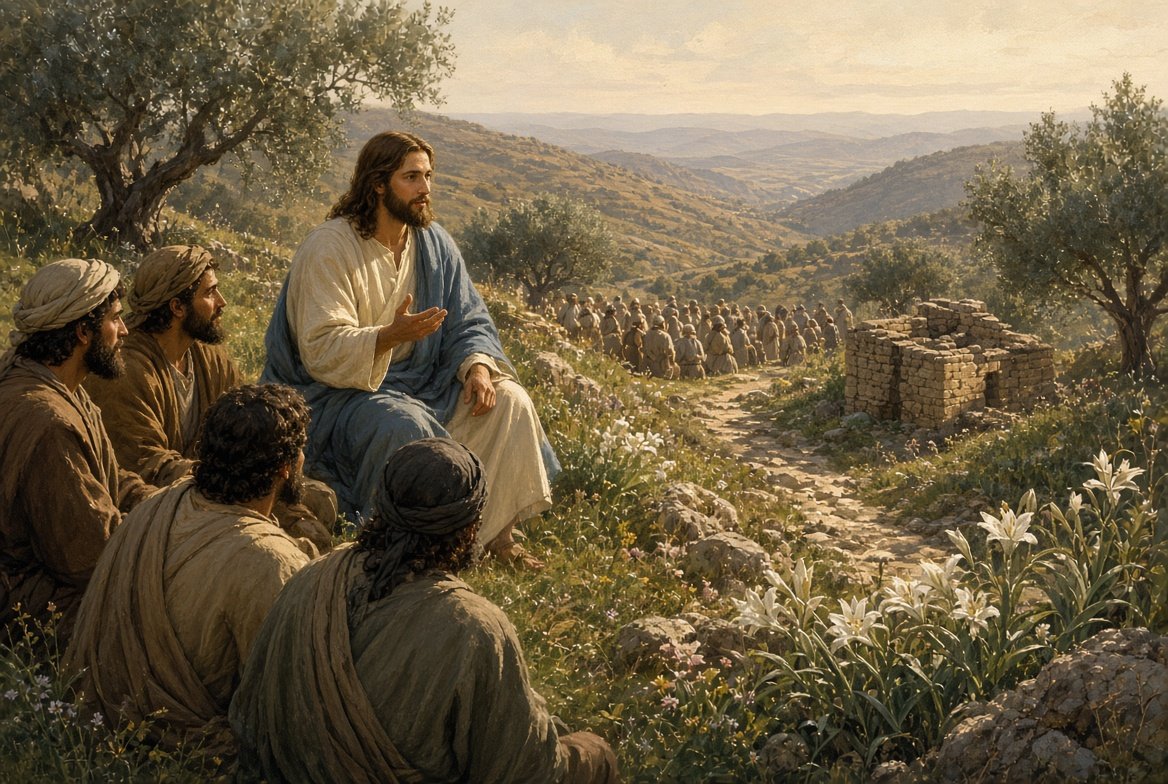
Matthew Chapters 5, 6, 7
Matthew 5–7 presents Jesus’ Sermon on the Mount, offering core teachings on humility, righteousness, prayer, and the character of those who belong to God.