Chronological Study of the Bible.
Reading the Bible in chronological order follows the sequence of events as they occurred historically (based on scholarly research), rather than the traditional canonical order. This approach helps connect historical narratives, interweave Psalms and prophetic writings with related events, and provide better context (e.g., placing Job during the patriarchal period and harmonizing Gospel accounts).
Chronological Bible Study
-
Genesis 1 -3 January 1
Genesis 4 - 7 January 2
Genesis 8 - 11 January 3
Chapter 12-15 January 16
Chapters 16-18 January 17
Chapters 19-21 January 18
Chapters 22 - 24 January 19
Chapters 25 - 26 January 20
Chapters 27-29 January 21
Chapters 30-31 January 22
Chapters 32-34 January 23
Chapters 35 - 37 January 24
Chapters 38 - 40 January 25
Chapters 41-42 January 26
Chapters 43-45 January 27
Chapters 46-47 January 28
Chapters 48 - 50 January29
-
Chapter 1 - 5 January 4
Chapter 6 -9 January 5
Chapter 10 -13 January 6
Chapter 14-16 January 7
Chapter 17 -20 January 8
Chapter 21-23 January 9
Chapter 24-28 January 10
Chapter 29-31 January 11
Chapter 32-34 January 12
Chapter 35-37 January 13
Chapter 38-39 January 14
Chapter 40-42 January 15
-
Chapters 1 -3 January 30
Chapters 4-6 January 31
Chapters 7 -9 February 1
Chapters 10 - 12 February 2
Chapters 13 - 15 February 3
Chapters 16 - 18 February 4
Chapters 19-21 February 5
Chapters 22 - 24 February 6
Chapters 25 - 27 February 7
Chapters 28 - 29 February 8
Chapters 30 - 32 February 9
Chapters 33 - 35 February 10
Chapters 36 - 38 February 11
Chapters 39 - 40 February 12
-
Chapters 1 - 4 February 13
Chapters 5 - 7 February 14
Chapters 8 - 10 February 15
Chapters 11 - 13 February 16
Chapters 14 - 15 February 17
Chapters 16 - 18 February 18
Chapters 19 - 21 February 19
Chapters 22 - 23 February 20
Chapters 24 - 25 February 21
Chapters 26 - 27 February 22
-
Chapters 1 - 2 February 23
Chapters 3 - 4 February 24
Chapters 5 - 6 February 25
Chapters 7 February 26
Chapters 8-10 February 27
Chapters 11 - 13 February 28
Chapters 14 - 15, Psalm 90 March 1
Chapters 16 - 17 March 2
Chapters 18 - 20 March 3
Chapters 21-22 March 4
Chapters 23 - 25 March 5
Chapters 26 - 27 March 6
Chapters 28 - 30 March 7
Chapters 31 - 32 March 8
Chapters 33 - 34 March 9
Chapters 35-36 March 10
-
Chapters 1 - 2 March 11
Chapters 3 - 4 March 12
Chapters 5 - 7 March 13
Chapters 8-10 March 14
Chapters 11 - 13 March 15
Chapters 14 - 16 March 16
Chapters 17 - 20 March 17
Chapters 21 - 23 March 18
Chapters 24 - 27 March 19
Chapters 28 - 29 March 20
Chapters 30-31 March 21
Chapters 32 - 34, Psalm 91 March 22
-
Chapters 1 - 4 March 23
Chapter 5 - 8 March 24
Chapters 9 - 11 March 25
Chapters 12 - 15 March 26
Chapters 16 - 18 March 27
Chapters 19 -21 March28
Chapters 22 - 24 March 29
-
Chapters 1 - 2 March 30
Judges 3 - 5 March 31
Judges 6 - 7 April 1
Judges 8-9 April 2
Judges 10 - 12 April 3
Judges 13 - 15 April 4
Judges 16 - 18 April 5
Judges 19 - 21 April 6
-
Chapters 1 - 4 April 7
-
Psalm 90, Psalm 91, 11 & 59 April 13
7,27,31,34,52 April 15
56, 120, 140-142 April 16
17,35, 54,63 April 18, 18 April 19
121,123-125,128-130 April 20
6, 8 - 10, 14, 16, 19, 21 April 22
43 - 45, 49, 84 - 85, 87 April 24
73, 77 -78 April 26
81, 88, 92-93 April 28
102 - 104 April 30
1, 2, 15, 22-24, 47, 68 May 5
89, 96, 100, 101, 105, 132 May 6
25, 29, 33, 36, 39 May 8
50, 53, 60, 75 May 10, 20 May 11
65-67, 69, 70 May 12
32, 51, 86, 122 May 14
3-4, 12-13, 28, 55 May 16
26, 40, 58, 61-62, 64 May 18
5, 38, 41 - 42 May 20
57 May 21
95, 97 - 99 May 22
30 May 23
108-110 May 24
131,138, 139, 143 - 145 May 26
27 May 27
111 - 118 May 28
37, 71, 94 May 29
119 May 30
72 June 1
136 June 14
134, 146 - 150 June15
48 July 19
76 July 15
46, 80, 135 July 28
74, 79 August 18
137, September 18
126 September 29
-
Chapters 1-3 April 8
Chapters 4-8 April 9
Chapters 9 - 10 April 10
Chapters 13 -14 April 11
Chapters 15-17 April 12
Chapters 18 - 20, Psalm 11,59 April 13
Chapter 21-24 April 14
Chapters 25 - 27 April 17
Chapters 28 -31 April 19
-
Chapters 1 - 4 April 21
Chapter 5 May 1
Chapter 6-7 May 7
Chapter 8-9 May 9
Chapter 10 May 11
Chapters 11-12 May 13
Chapters 13- 15 May 15
Chapters 16 - 18 May 17
Chapter 19 - 21 May 19
Chapters 22 - 23 May 21
Chapter 24 May23
-
Chapter 1 - 2 April 23
Chapter 3 - 5 April 25
Chapter 6 April 27
Chapter 7 - 10 April 29
Chapter 11-12 May 1
Chapter 13 - 16 May 4
Chapter 17 May 7
Chapter 18 May 9,
Chapter 19, May 11
Chapter 20 May 13
Chapters 21-22 May 23
Chapters 23 - 25 May 25
Chapter 26 - 29 May 27
-
Chapter 1 June 1
Chapter 2 - 3 June 11
Chapter 4 June 12
Chapter 5 June 13
Chapter 6 - 7 June 14
Chapter 8 June 16
Chapter 9 June 21
Chapter 10 - 12 June 24
Chapter 13 - 16 June 25
Chapter 17 June 26
Chapter 18 June 29
Chapter 19 - 23 June 30
Chapter 24 July 5
Chapter 25 July 6
Chapter 26 July 8
Chapter 27 July 13
Chapter 28 July 15
Chapter 29-31 July 19
Chapter 32-33 August 3
Chapters 34 - 35 August 5
Chapter 36 August 19
-
Chapters 1 - 2 May 29
Chapters 3 - 4 May 31
Chapter 5-6 June 11
Chapter 7 June 12
Chapter 8 June 13
Chapter 9 June 16
Chapters 10 - 11 June 21
Chapters 12 - 14 June 23
Chapter 15 June 25
Chapter 16 June 26
Chapter 17 - 19 June 27
Chapters 20 - 21 June 28
Chapter 22 June 29
-
Chapters 1 - 4 July 2 Include Vital Statistics and BluePrint
Chapters 5 - 8 July 3
Chapters 9-11 July 4
Chapter 12-13 July 5
Chapter 14 July 6
Chapter 15 July 8
Chapter 16 - 17 July 15
Chapter 18 July 19
Chapter 19 July 28
Chapter 20 -21 August 2
Chapter 22-23 August 5
Chapter 24 - 25 August 19
-
-
-
Chapters 1 - 8 June 2
-
Chapter 1 - 6 June 19
Chapters 7 - 12 June 20
-
Chapter 1 July 1
-
Chapter 1 - 4 July 7
-
Chapter 1 - 4 July 9
Chapter 5-8 July 10
Chapter 9-12 July 13
Chapter 13-17 July 16
Chapter 18-22 July 17
Chapter 23-27 July 18
Chapter 28-30 July 22
Chapter 31-34 July 23
Chapter 35-36 July 24
Chapter 37-39 July 25
Chapter 40-43 July 26
Chapter 44 -48 July 27
Chapter 49-53 July 29
Chapter 54-58 July 30
Chapter 59-63 July 31
Chapter 64 - 66 August 1
-
Chapter 1 - 5 July 11
Chapter 6 -9 July 12
-
Chapters 1 - 7 July 14
-
Chapters 1 - 7 July 20
Chapters 8 - 14 July 21
-
Chapter 1-3 August 4
-
Chapters 1 - 3 August 6
-
Chapters 1 - 3 August 7
Chapters 4 - 6 August 8
Chapters 7-9 August 9
Chapters 10 - 13 August 10
Chapters 14- 17 August 11
Chapters 18 - 22 August 12
Chapters 23 - 25 August 13
Chapters 26 - 29 August 14
Chapters 30 - 31 August 15
Chapters 32 - 34 August 16
Chapters 35 - 37 August 17
Chapters 38 - 40 August 18
Chapters 41 - 45 August 21
Chapters 46 - 48 August 22
Chapters 49 - 50 August 23
Chapters 51 - 52 August 24
-
Chapters 1 - 3 August 20
-
Chapters 1 - 2 August 25
Chapters 3- 5 August 26
-
Chapter 1 - 4 August 27
Chapter 5 - 8 August 28
Chapter 9 - 12 August 29
Chapter 13 - 15 August 30
Chapter 16 - 17 August 31
Chapter 18 - 20 September 1
Chapter 21 - 22 September 2
Chapter 23 - 24 September 3
Chapter 25 - 27 September 4
Chapter 28 - 30 September 5
Chapter 31 - 33 September 6
Chapter 34 - 36 September 7
Chapter 37 - 39 September 8
Chapter 40 - 42 September 9
Chapter 43 - 45 September 10
Chapter 46 - 48 September 11
-
Chapter 1 - 3 September 12
-
Chapters 1 - 3 September 13
Chapters 4 - 6 September 14
Chapters 7 - 9 September 15
Chapters 10 - 12 September 16
-
Chapters 1 - 2 September 19
-
-
Chapter 1 - 5 September 23
Chapter 6 - 10 September 24
-
Chapters 1 - 5 September 26
Chapters 6 - 7 September 27
Chapters 8 - 10 September 28
Chapters 11 - 13, September 29
-
Chapters 1 - 4 September 30
-
-
Chapter 1 October 1
Chapter 2 October 2
Chapter 3 October 4
Chapters 4, 5 October 5
Chapter 6 October 9
Chapter 7 October 11
Chapter 11 October 13
Chapter 8 October 14
Chapter 9 October 17
Chapter 10 October 25
Chapter 12, 13 October 26
Chapter 14, 15 October 27
Chapter 16, 17 October 28
Chapter 18 October 30
Chapter 19 November 2
Chapter 20-21 November 5
Chapter 22 November 10
Chapter 23 November 13
Chapter 24 November 15
-
Chapter 1 October 1
Chapters 2,3, 4 October 6
Chapter 5 October 8
Chapter 6 October 18
Chapter 7, 8 October 23
Chapter 9, 10 October 24
Chapter 11 October 29
Chapter 12 November 3
Chapter 13 November 10
Chapter 14-17 November 11
Chapter 18-19 November 13
Chapter 20-21 November 15
-
Chapter 1 October 2
Chapter 2 October 3
Chapter 3 October 4
Chapter 4 October 5
Chapter 8 October 7
Chapter 12 October 9
Chapter 5, 6, 7, October 10
Chapter 9 October 11
Chapter 11 October 12
Chapter 13 October 14
Chapter 10 October 16
Chapter 14 October 17
Chapter 15 October 19
Chapter 16 October 20
Chapter 17 October 21
Chapter 18 October 22
Chapter 19 October 31
Chapter 20-21 November 1
Chapter 22 November 4
Chapter 23 November 5
Chapter 24 November 7
Chapter 25 November 8
Chapter 26 November 9
Chapter 27 November 12
Chapter 28 November 14
-
Chapter 1 October 4
Chapter 2 October 7
Chapter 3 October 9
Chapter 4, 5, October 15
Chapter 6 October 17
Chapter 7 October 19
Chapter 8 October 20
Chapter 9 October 21
Chapter 10 October 31
Chapter 11 November 3
Chapter 11 November 3
Chapter 12 November 4
Chapter 13 November 6
Chapter 14 November 9
Chapter 15 November 12
Chapter 16 November 14
-
Chapter 1-3 November 16
Chapter 4 - 6 November 17
Chapter 7-8 November 18
Chapter 9-10 November 19
Chapter 11-12 November 20
Chapter 13-14 November 21
Chapter 15-16 November 23
Chapter 17 November 26
Chapter 28-19 November 28
-
Chapter 1-5 November 22
-
Chapter 1-3 November 24
Chapter 4-6 November 25
-
Chapter 1-5 November 27
-
Chapter 1 - 3 November 27
-
Chapter 1 - 4 November 29
Chapter 5 - 8 November 30
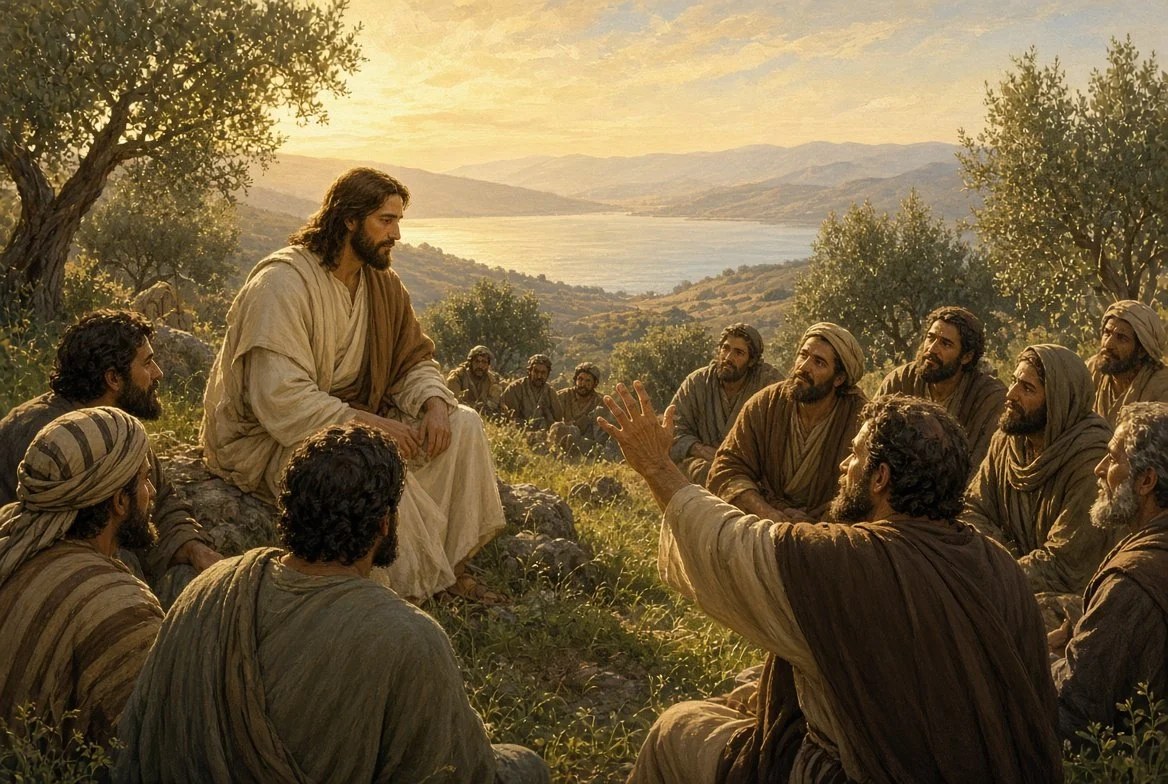
Matthew Chapter 12, Mark 3 and Luke Chapter 6
Matthew 12, Mark 3, and Luke 6 press that claim further, as Sabbath controversy, the choosing of the Twelve, fierce opposition, and Jesus’ teaching on true discipleship show who belongs to Him and what life in His kingdom looks like.
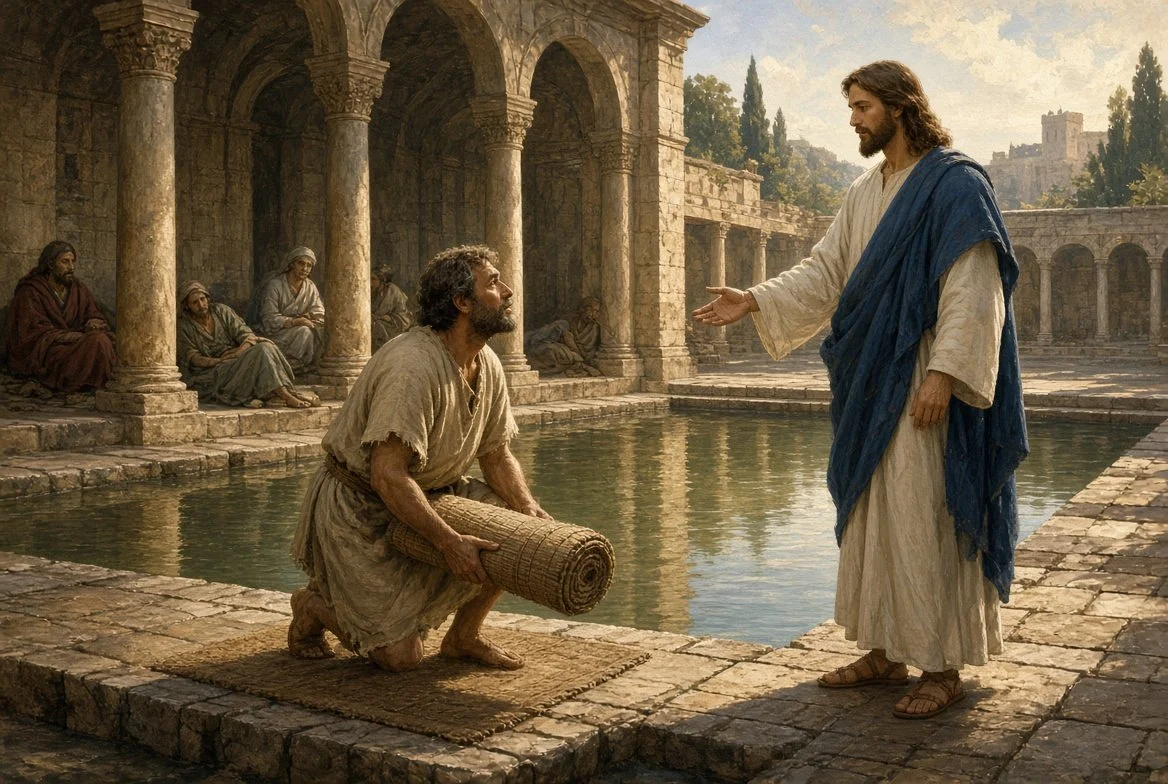
John Chapter 5
John 5 introduces a powerful moment of Jesus’ healing and teaching by the Pool of Bethesda, where compassion confronts legalism and the Son’s authority over life.
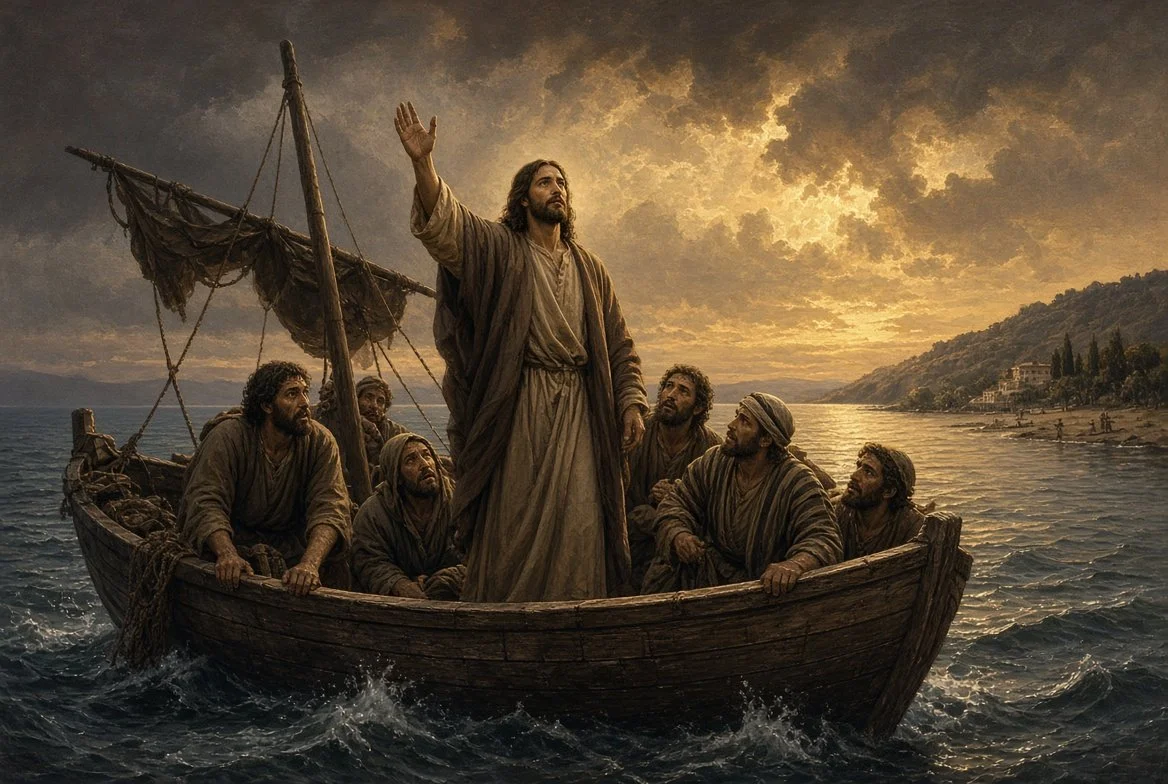
Matthew Chapter 8, Mark Chapter 2
In Matthew 8 Jesus reveals his authority over sickness, unclean spirits, and the forces of nature, responding to faith-filled pleas and calling disciples into committed following.
Luke 2 introduces the wondrous unfolding of Christ’s birth, proclaiming God’s faithfulness through angels, humble shepherds, and the fulfillment of ancient promise.
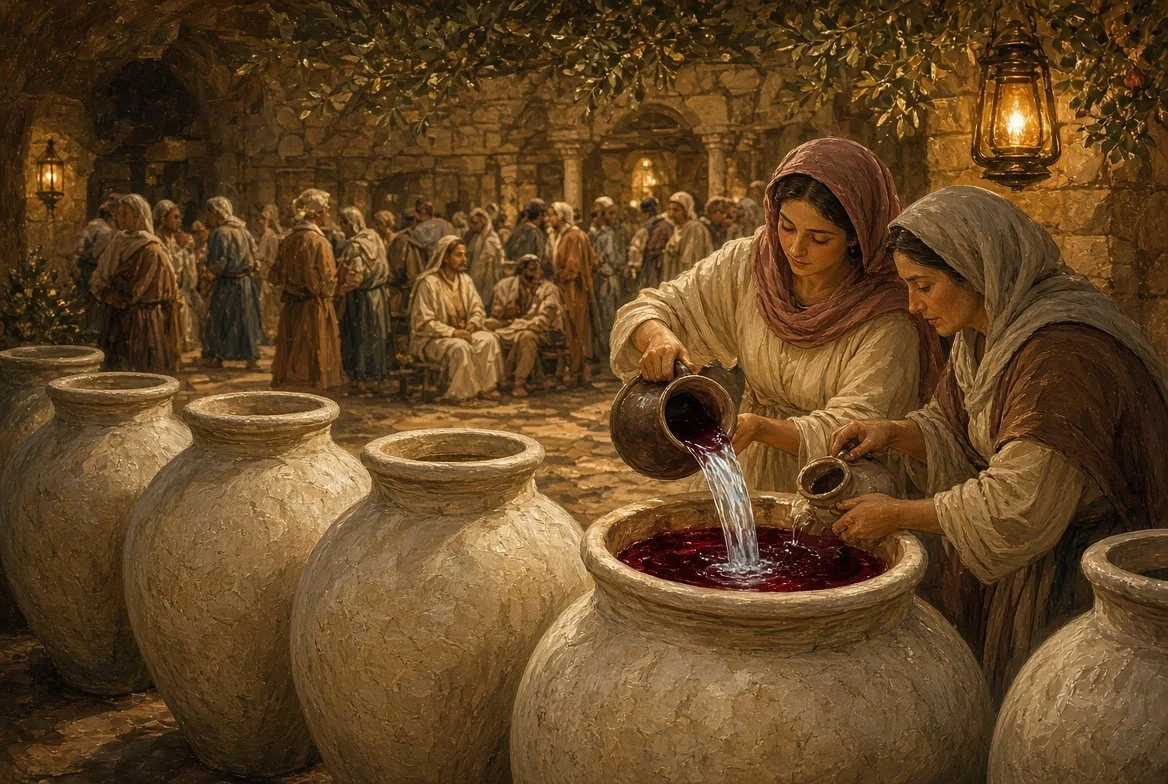
John Chapters 2, 3 and 4
John 2–4 introduces a sequence of signs and teachings that reveal Jesus’ identity and mission, moving from miraculous signs to deeper conversations that challenge hearts and invite new life.
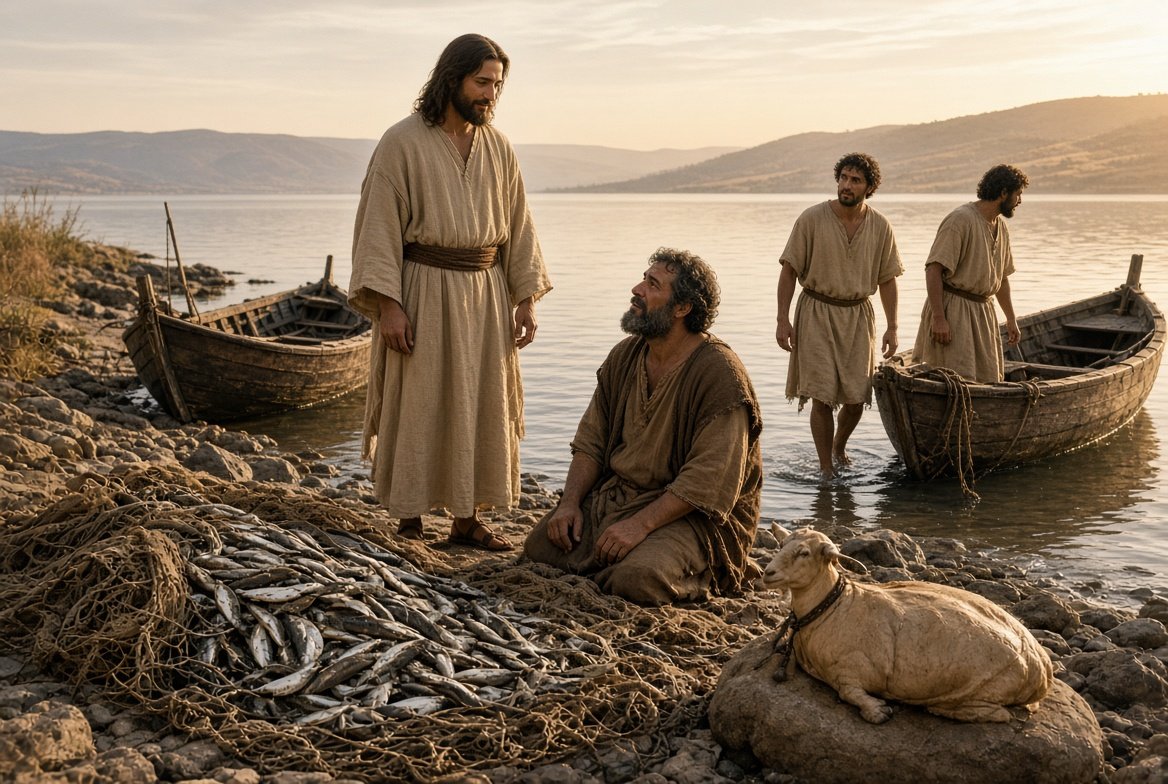
Matthew Chapter 4, Luke Chapters 4
Matthew 4: In the wilderness after his baptism, Jesus faces temptation, begins his public ministry, and calls his first disciples, demonstrating obedience to the Father and authority over the forces that oppose God's kingdom.
Luke 4–5: Luke presents Jesus inaugurating his mission—overcoming temptation, proclaiming good news in Nazareth, teaching with authority, and calling sinners and fishermen to follow him—revealing the compassionate, restorative nature of his ministry.
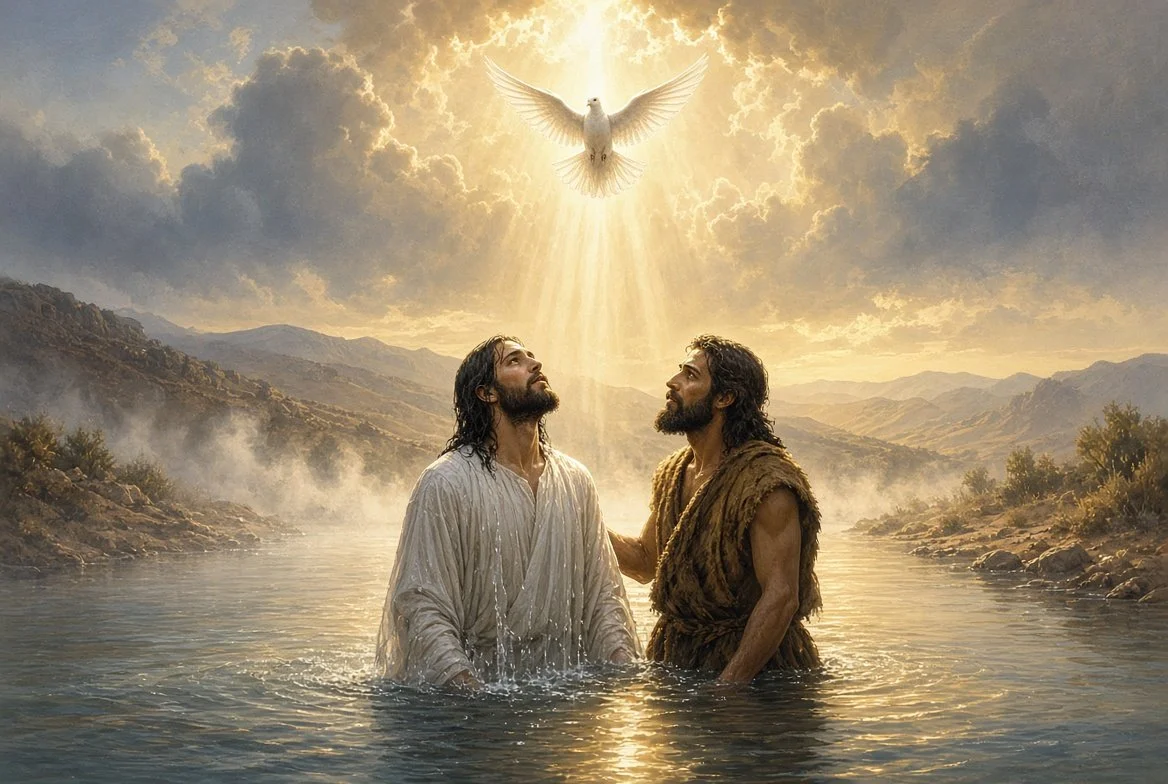
Matthew Chapter 3, Mark Chapter 1, Luke Chapter 3
Matthew 3: John the Baptist appears in the wilderness calling Israel to repentance and preparing the way for the coming Messiah through baptism and prophecy.
Mark 1: John the Baptist heralds the good news, baptizes Jesus, and Jesus begins his public ministry, preaching, healing, and casting out demons.
Luke 3: John the Baptist proclaims a baptism of repentance, calls people to ethical renewal, traces Jesus’ lineage, and prepares the people for the Lord’s imminent work.
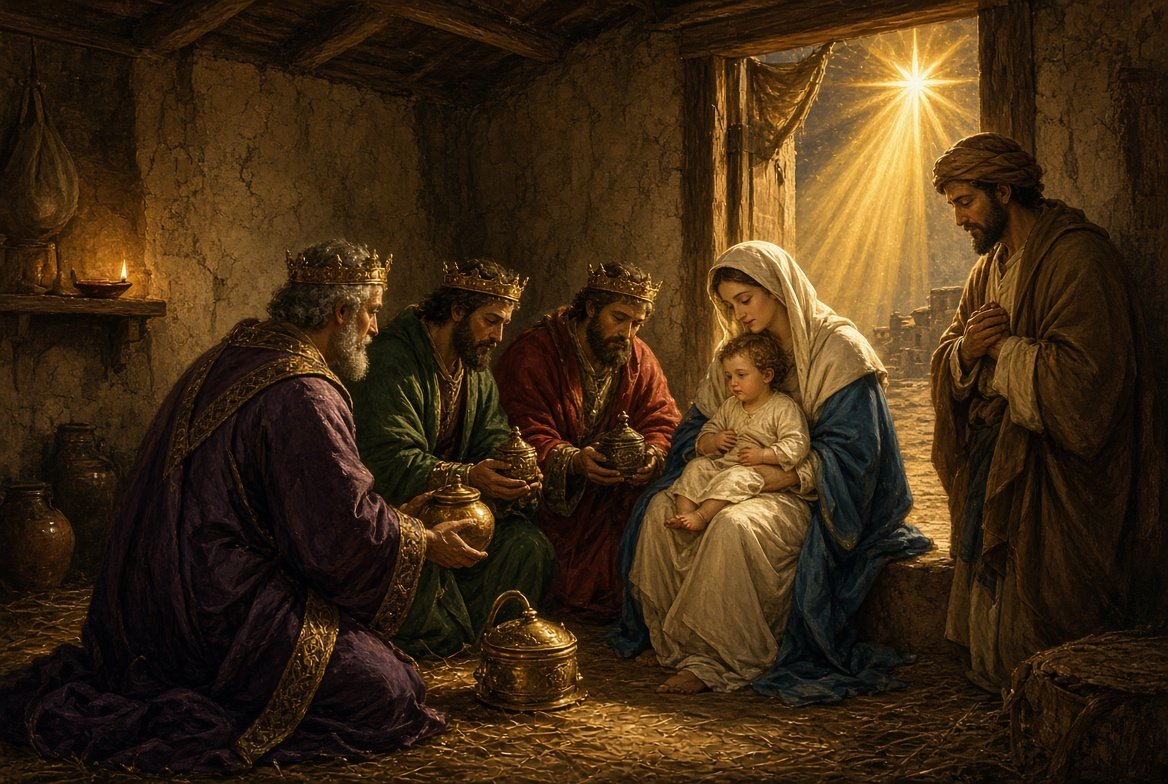
Matthew Chapter 2
When Jesus was born in Bethlehem of Judea during the days of King Herod, wise men from the East arrived in Jerusalem, seeking the newborn king.
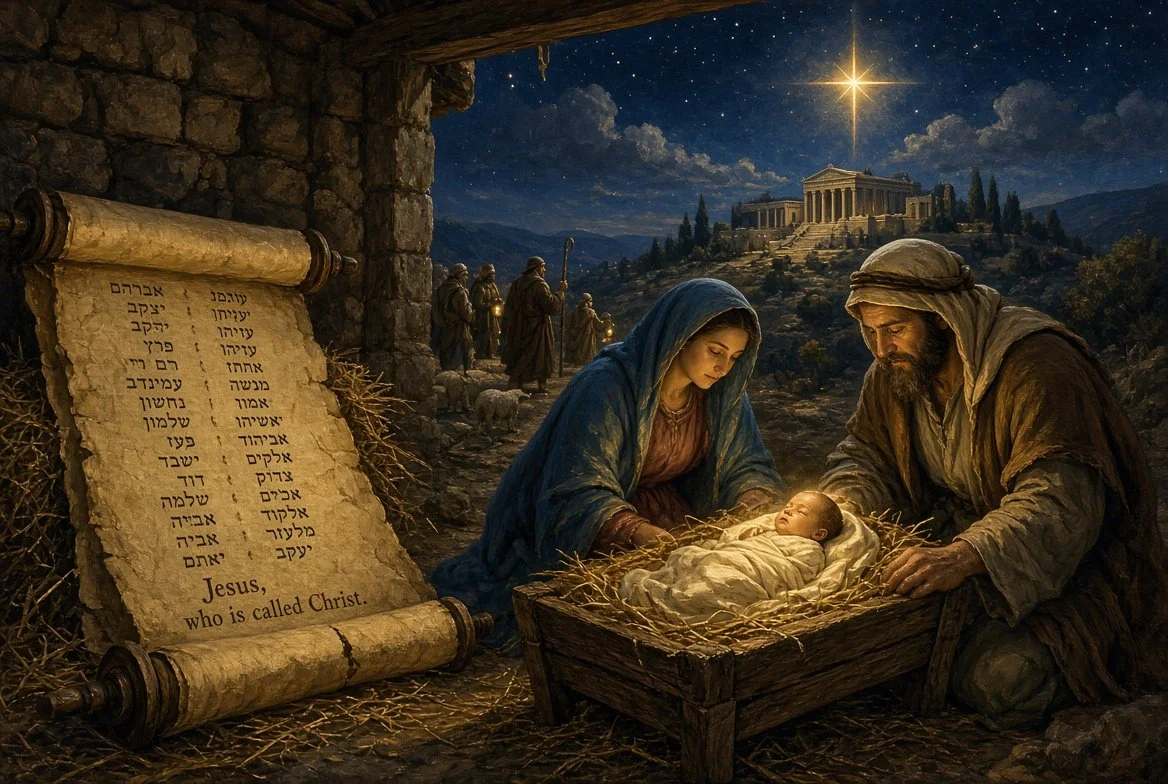
Matthew Chapter 1, Luke Chapter 2
Matthew 1: A genealogy and birth narrative that traces Jesus’ royal lineage from Abraham and David, presenting Him as the promised Messiah whose birth fulfills Old Testament prophecy.
Luke 2: A vivid account of Jesus’ birth, announced to shepherds and celebrated as good news of great joy for all people, emphasizing humility, peace, and God’s unfolding salvation.
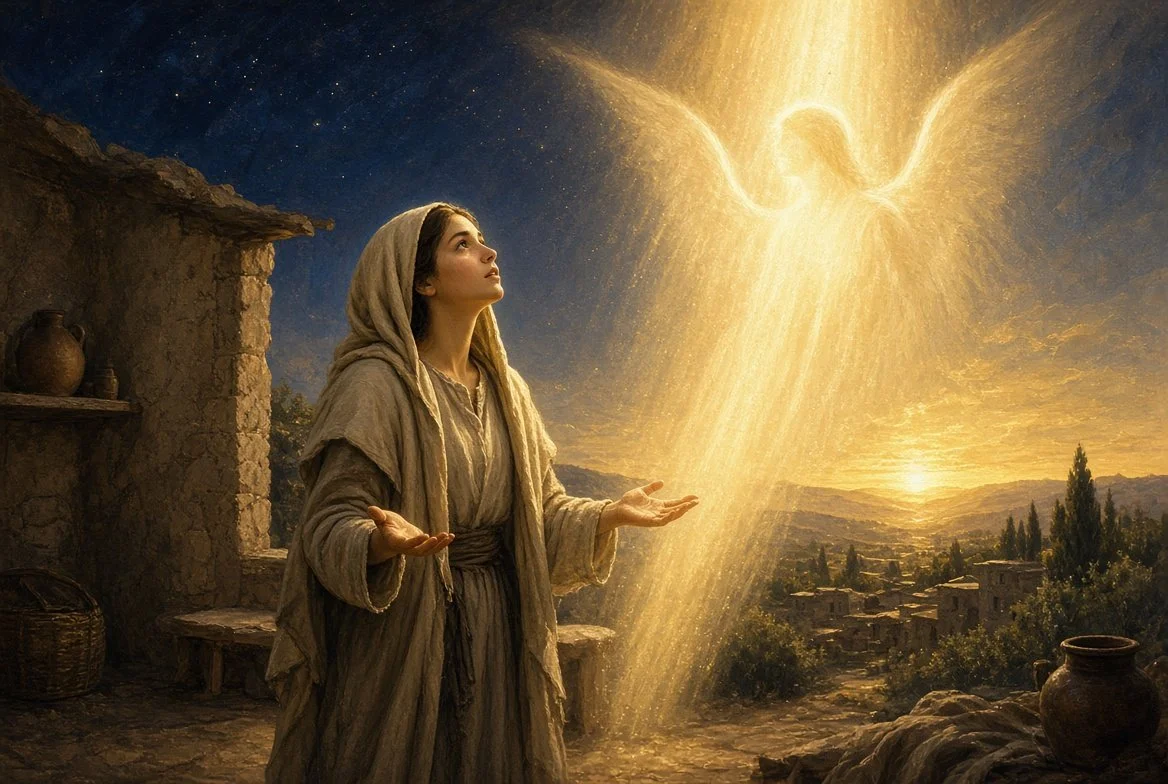
Luke Chapter 1 & John Chapter 1
Luke 1: The beginning of Luke's Gospel sets the stage with a carefully researched account of the events surrounding the birth of John the Baptist and Jesus, emphasizing fulfillment of God’s promises and the work of the Holy Spirit.
John 1: The opening of John’s Gospel declares Jesus as the eternal Word who was with God from the beginning, bringing light and life to humanity.
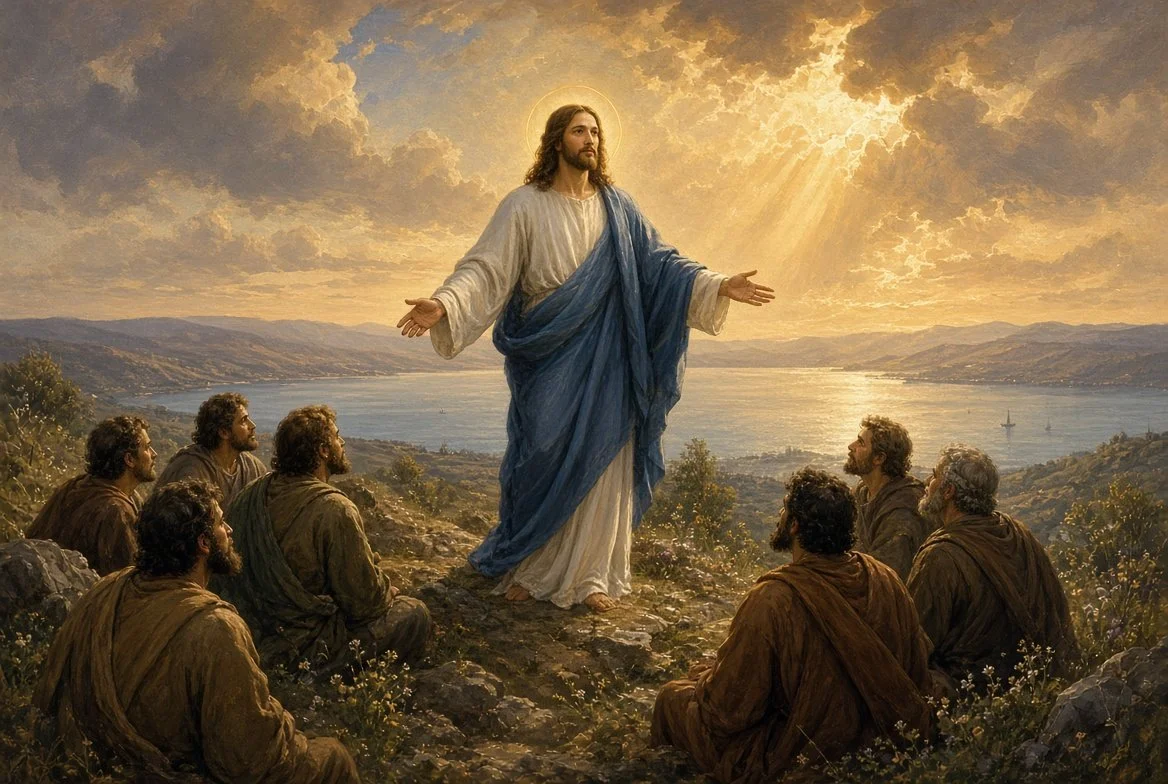
Vital Statistics and Blueprint of the New Testament NKJV
The New Testament Vital Statistics and Blueprint of the Bible offers a clear, concise guide to the structure, authorship, themes, and key teachings of the New Testament to help readers navigate Scripture with confidence and purpose.
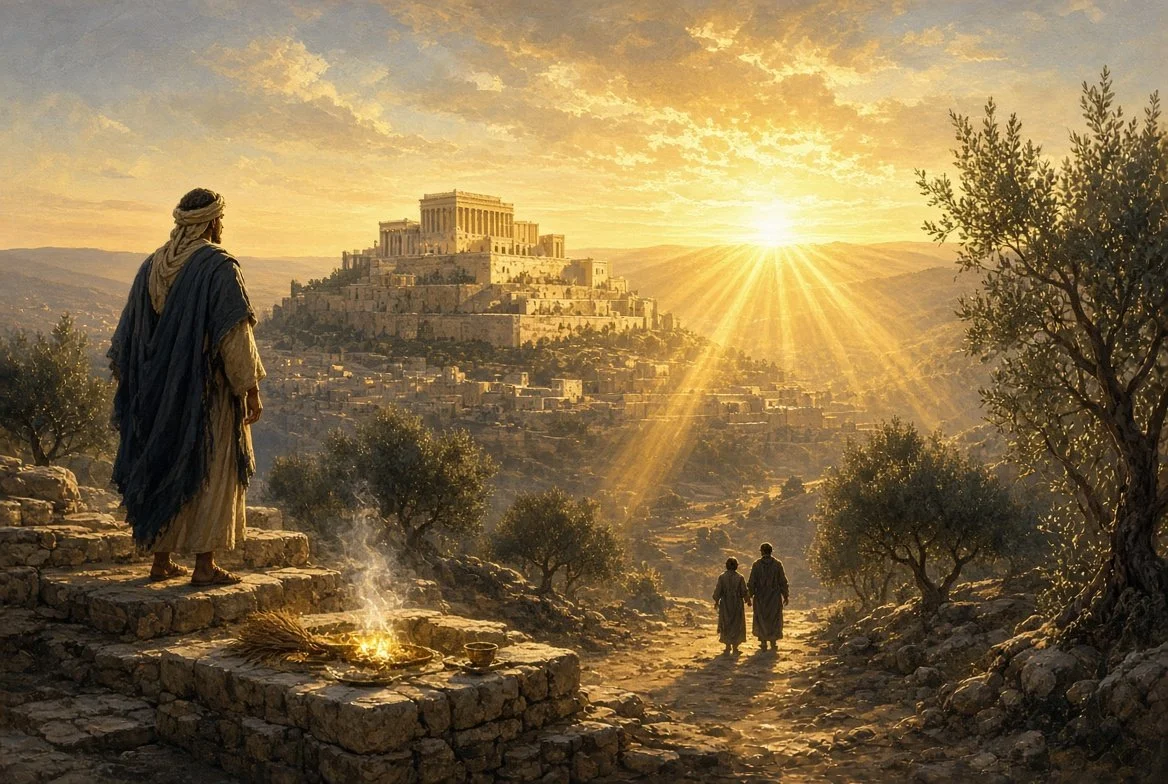
Malachi Chapters 1 - 4
Malachi 1–4 confronts Israel with God’s faithful love and righteous demands, calling the people and their leaders to genuine worship, moral renewal, and hopeful anticipation of the Lord’s coming.
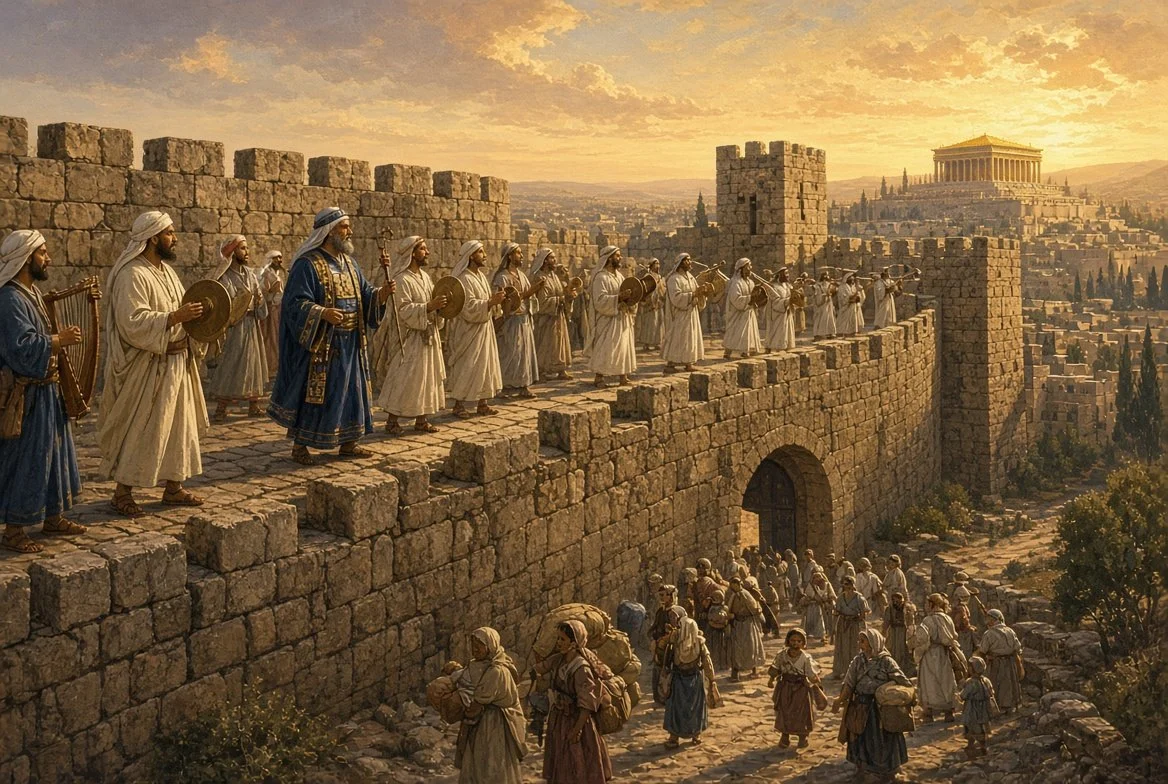
Nehemiah Chapters 11 - 13, Psalm 126
Nehemiah 11–13 recounts the resettlement and spiritual revival of Jerusalem—detailing the repopulation of the city, restoration of worship and temple service, and Nehemiah’s vigorous reforms to purge the community of compromise and renew covenantal faithfulness.
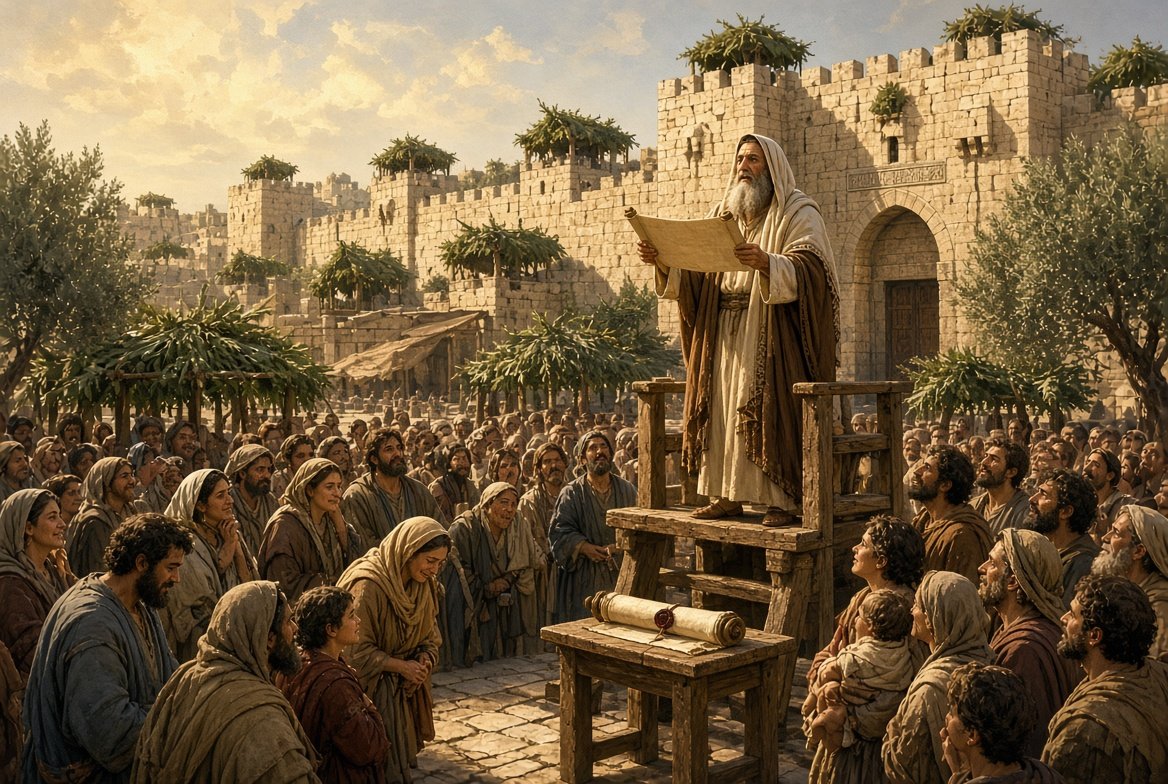
Nehemiah Chapters 8 - 10
Nehemiah 8–10 presents a powerful moment of spiritual renewal as Ezra reads the Law to the people, prompting heartfelt repentance, communal recommitment, and the restoration of worship and covenantal life in Jerusalem.
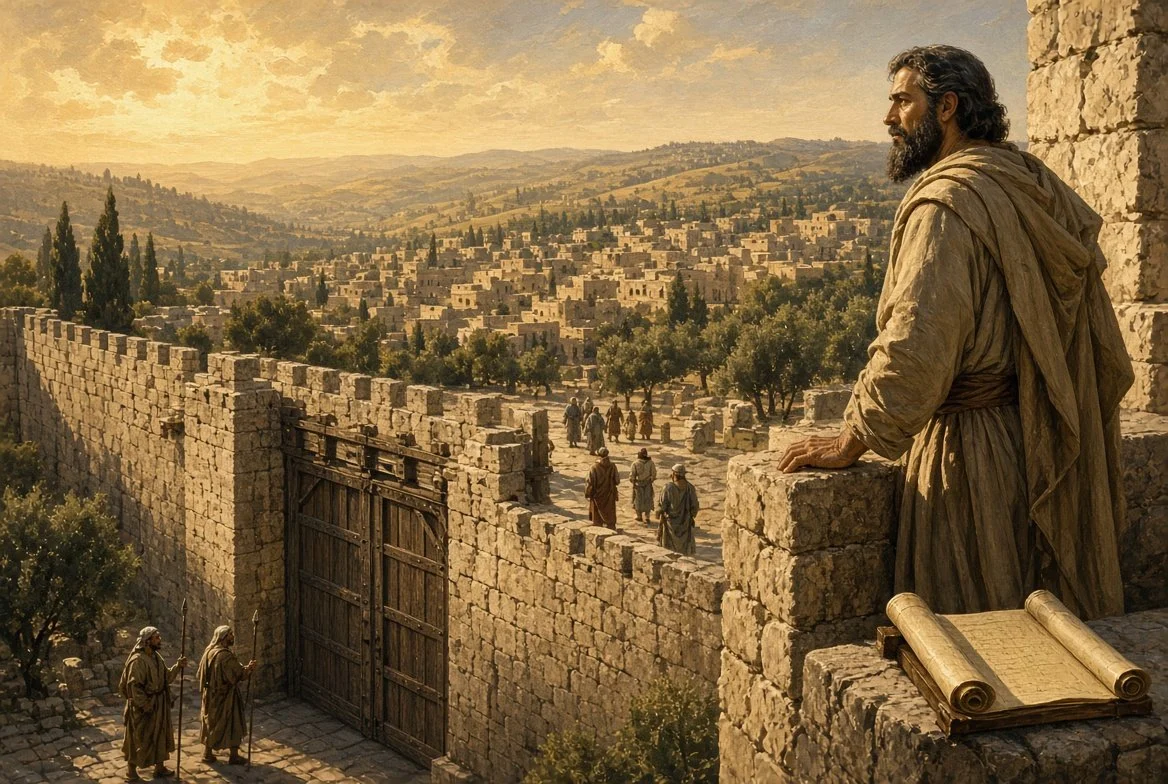
Nehemiah Chapters 6-7
Nehemiah 6–7 continues the account of Jerusalem’s restoration, detailing the opposition Nehemiah faced, his steadfast leadership in finishing the wall, and the reestablishment of the city’s population and civic order
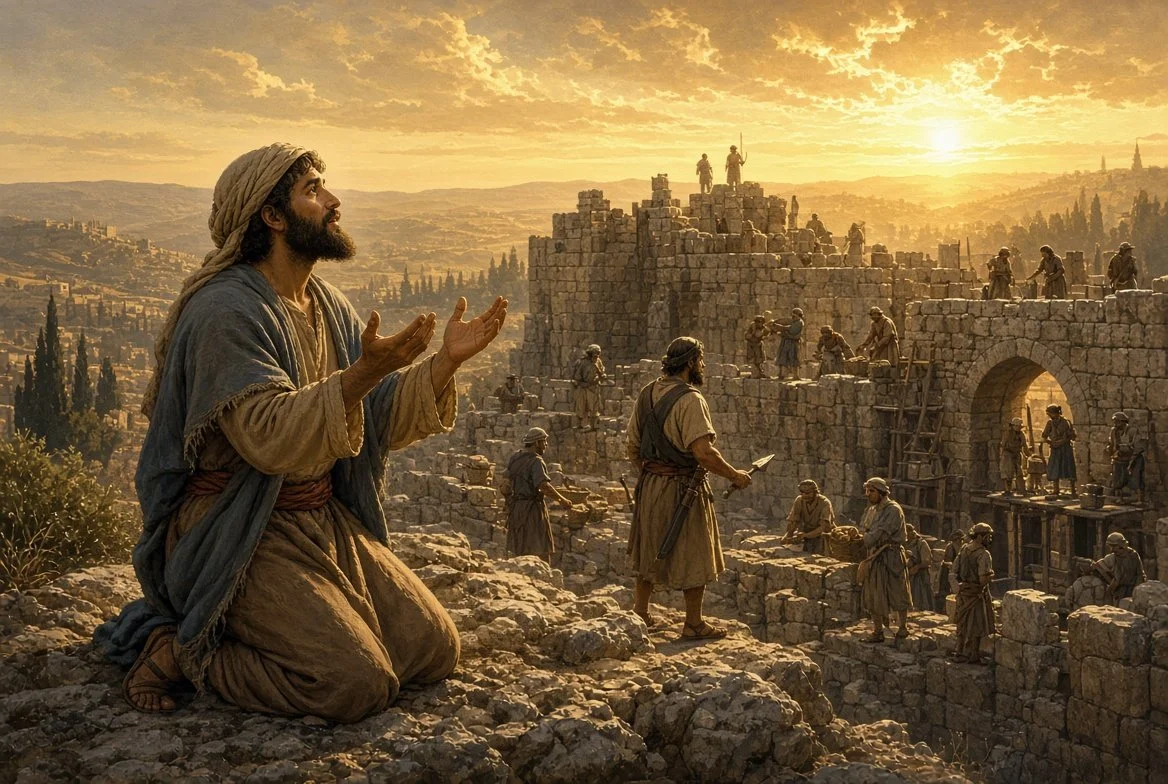
Nehemiah Chapters 1 - 5
Nehemiah 1–5 recounts the urgent return and determined leadership of Nehemiah as he hears of Jerusalem’s ruined walls, prays and fasts for God’s favor, secures permission to rebuild, and confronts opposition while restoring the city’s walls and social
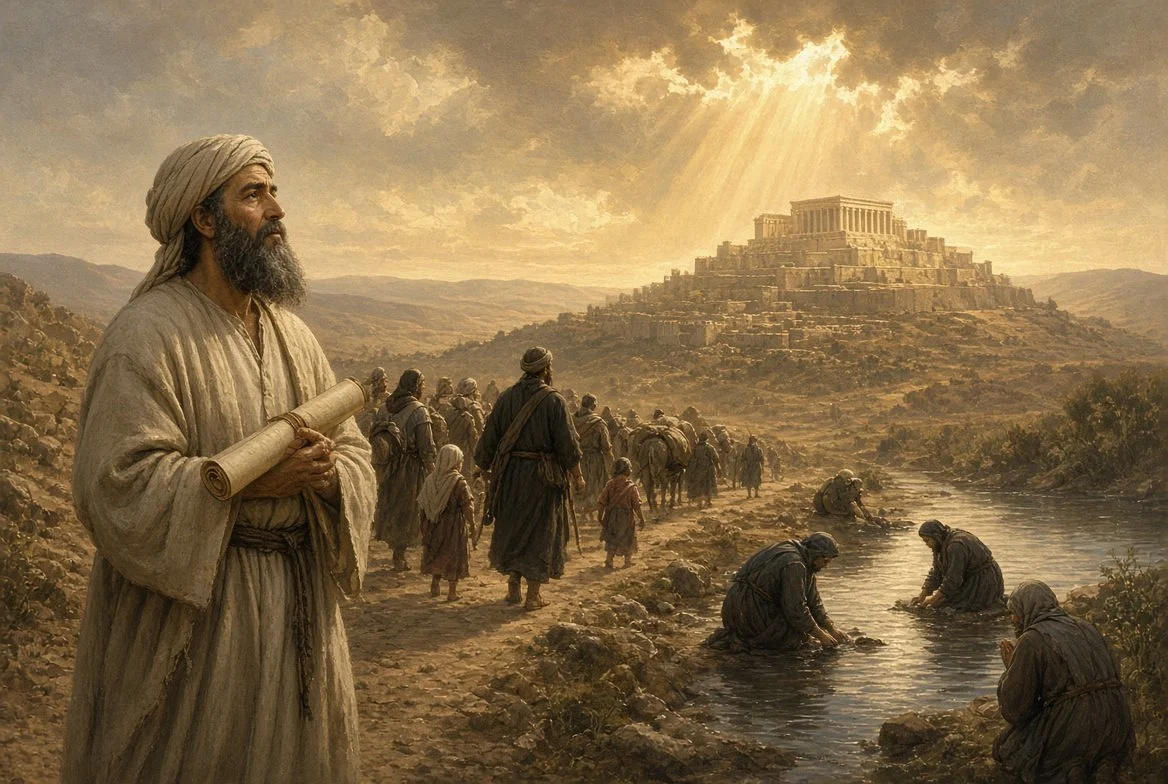
Ezra Chapters 7 - 10
Ezra 7–10 recounts the return of a devout scribe from Babylon, the renewal of the covenant community through prayer and reform, and the urgent call to purify Israel by addressing unlawful marriages and restoring faithfulness to God.
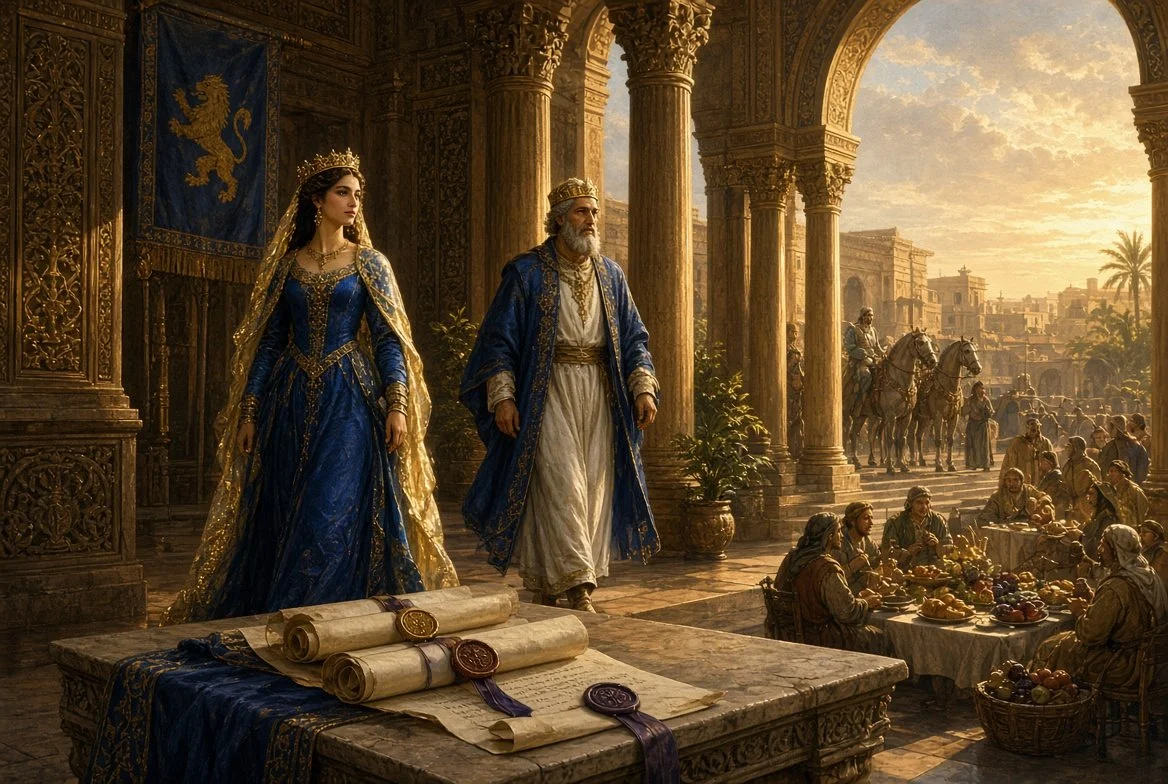
Esther Chapters 6 - 10
Chapters 6–10 of Esther reveal God's unseen orchestration as a reversal of fortune elevates Mordecai and humbles Haman, securing deliverance for the Jewish people.

Esther Chapters 1 - 5
Esther 1–5 introduces the dramatic rise of Esther from orphaned cousin to queen, the plotting of Haman against the Jewish people, and the courageous, risk-filled steps Esther and Mordecai take to preserve their people.

Zechariah Chapters 10 - 14
Zechariah 10–14 foretell a stirring turn from judgment to restoration for Israel, promising divine rescue, the rise of a faithful shepherd-king, and the coming day when the Lord alone will be King over

Zechariah Chapter 5 -9
Zechariah 5–9 confronts Israel’s people with prophetic visions and oracles that expose sin, promise God’s purifying judgment, and anticipate the restoration of Jerusalem through a coming humble king and the outpouring of divine blessing.