
Chronological Study of the Bible.
Reading the Bible in chronological order follows the sequence of events as they occurred historically (based on scholarly research), rather than the traditional canonical order. This approach helps connect historical narratives, interweave Psalms and prophetic writings with related events, and provide better context (e.g., placing Job during the patriarchal period and harmonizing Gospel accounts).
Chronological Bible Study
-
Genesis 1 -3 January 1
Genesis 4 - 7 January 2
Genesis 8 - 11 January 3
Chapter 12-15 January 16
Chapters 16-18 January 17
Chapters 19-21 January 18
Chapters 22 - 24 January 19
Chapters 25 - 26 January 20
Chapters 27-29 January 21
Chapters 30-31 January 22
Chapters 32-34 January 23
Chapters 35 - 37 January 24
Chapters 38 - 40 January 25
Chapters 41-42 January 26
Chapters 43-45 January 27
Chapters 46-47 January 28
Chapters 48 - 50 January29
-
Chapter 1 - 5 January 4
Chapter 6 -9 January 5
Chapter 10 -13 January 6
Chapter 14-16 January 7
Chapter 17 -20 January 8
Chapter 21-23 January 9
Chapter 24-28 January 10
Chapter 29-31 January 11
Chapter 32-34 January 12
Chapter 35-37 January 13
Chapter 38-39 January 14
Chapter 40-42 January 15
-
Chapters 1 -3 January 30
Chapters 4-6 January 31
Chapters 7 -9 February 1
Chapters 10 - 12 February 2
Chapters 13 - 15 February 3
Chapters 16 - 18 February 4
Chapters 19-21 February 5
Chapters 22 - 24 February 6
Chapters 25 - 27 February 7
Chapters 28 - 29 February 8
Chapters 30 - 32 February 9
Chapters 33 - 35 February 10
Chapters 36 - 38 February 11
Chapters 39 - 40 February 12
-
Chapters 1 - 4 February 13
Chapters 5 - 7 February 14
Chapters 8 - 10 February 15
Chapters 11 - 13 February 16
Chapters 14 - 15 February 17
Chapters 16 - 18 February 18
Chapters 19 - 21 February 19
Chapters 22 - 23 February 20
Chapters 24 - 25 February 21
Chapters 26 - 27 February 22
-
Chapters 1 - 2 February 23
Chapters 3 - 4 February 24
Chapters 5 - 6 February 25
Chapters 7 February 26
Chapters 8-10 February 27
Chapters 11 - 13 February 28
Chapters 14 - 15, Psalm 90 March 1
Chapters 16 - 17 March 2
Chapters 18 - 20 March 3
Chapters 21-22 March 4
Chapters 23 - 25 March 5
Chapters 26 - 27 March 6
Chapters 28 - 30 March 7
Chapters 31 - 32 March 8
Chapters 33 - 34 March 9
Chapters 35-36 March 10
-
Chapters 1 - 2 March 11
Chapters 3 - 4 March 12
Chapters 5 - 7 March 13
Chapters 8-10 March 14
Chapters 11 - 13 March 15
Chapters 14 - 16 March 16
Chapters 17 - 20 March 17
Chapters 21 - 23 March 18
Chapters 24 - 27 March 19
Chapters 28 - 29 March 20
Chapters 30-31 March 21
Chapters 32 - 34, Psalm 91 March 22
-
Chapters 1 - 4 March 23
Chapter 5 - 8 March 24
Chapters 9 - 11 March 25
Chapters 12 - 15 March 26
Chapters 16 - 18 March 27
Chapters 19 -21 March28
Chapters 22 - 24 March 29
-
Chapters 1 - 2 March 30
Judges 3 - 5 March 31
Judges 6 - 7 April 1
Judges 8-9 April 2
Judges 10 - 12 April 3
Judges 13 - 15 April 4
Judges 16 - 18 April 5
Judges 19 - 21 April 6
-
Chapters 1 - 4 April 7
-
Psalm 90, Psalm 91, 11 & 59 April 13
7,27,31,34,52 April 15
56, 120, 140-142 April 16
17,35, 54,63 April 18, 18 April 19
121,123-125,128-130 April 20
6, 8 - 10, 14, 16, 19, 21 April 22
43 - 45, 49, 84 - 85, 87 April 24
73, 77 -78 April 26
81, 88, 92-93 April 28
102 - 104 April 30
1, 2, 15, 22-24, 47, 68 May 5
89, 96, 100, 101, 105, 132 May 6
25, 29, 33, 36, 39 May 8
50, 53, 60, 75 May 10, 20 May 11
65-67, 69, 70 May 12
32, 51, 86, 122 May 14
3-4, 12-13, 28, 55 May 16
26, 40, 58, 61-62, 64 May 18
5, 38, 41 - 42 May 20
57 May 21
95, 97 - 99 May 22
30 May 23
108-110 May 24
131,138, 139, 143 - 145 May 26
27 May 27
111 - 118 May 28
37, 71, 94 May 29
119 May 30
72 June 1
136 June 14
134, 146 - 150 June15
48 July 19
76 July 15
46, 80, 135 July 28
-
Chapters 1-3 April 8
Chapters 4-8 April 9
Chapters 9 - 10 April 10
Chapters 13 -14 April 11
Chapters 15-17 April 12
Chapters 18 - 20, Psalm 11,59 April 13
Chapter 21-24 April 14
Chapters 25 - 27 April 17
Chapters 28 -31 April 19
-
Chapters 1 - 4 April 21
Chapter 5 May 1
Chapter 6-7 May 7
Chapter 8-9 May 9
Chapter 10 May 11
Chapters 11-12 May 13
Chapters 13- 15 May 15
Chapters 16 - 18 May 17
Chapter 19 - 21 May 19
Chapters 22 - 23 May 21
Chapter 24 May23
-
Chapter 1 - 2 April 23
Chapter 3 - 5 April 25
Chapter 6 April 27
Chapter 7 - 10 April 29
Chapter 11-12 May 1
Chapter 13 - 16 May 4
Chapter 17 May 7
Chapter 18 May 9,
Chapter 19, May 11
Chapter 20 May 13
Chapters 21-22 May 23
Chapters 23 - 25 May 25
Chapter 26 - 29 May 27
-
Chapter 1 June 1
Chapter 2 - 3 June 11
Chapter 4 June 12
Chapter 5 June 13
Chapter 6 - 7 June 14
Chapter 8 June 16
Chapter 9 June 21
Chapter 10 - 12 June 24
Chapter 13 - 16 June 25
Chapter 17 June 26
Chapter 18 June 29
Chapter 19 - 23 June 30
Chapter 24 July 5
Chapter 25 July 6
Chapter 26 July 8
Chapter 27 July 13
Chapter 28 July 15
Chapter 29-31 July 19
-
Chapters 1 - 2 May 29
Chapters 3 - 4 May 31
Chapter 5-6 June 11
Chapter 7 June 12
Chapter 8 June 13
Chapter 9 June 16
Chapters 10 - 11 June 21
Chapters 12 - 14 June 23
Chapter 15 June 25
Chapter 16 June 26
Chapter 17 - 19 June 27
Chapters 20 - 21 June 28
Chapter 22 June 29
-
Chapters 1 - 4 July 2 Include Vital Statistics and BluePrint
Chapters 5 - 8 July 3
Chapters 9-11 July 4
Chapter 12-13 July 5
Chapter 14 July 6
Chapter 15 July 8
Chapter 16 - 17 July 15
Chapter 18 July 19
Chapter 19 July 28
-
Item description
-
-
Chapters 1 - 8 June 2
-
Chapter 1 - 6 June 19
Chapters 7 - 12 June 20
-
Chapter 1 July 1
-
Chapter 1 - 4 July 7
-
Chapter 1 - 4 July 9
Chapter 5-8 July 10
Chapter 9-12 July 13
Chapter 13-17 July 16
Chapter 18-22 July 17
Chapter 23-27 July 18
Chapter 28-30 July 22
Chapter 31-34 July 23
Chapter 35-36 July 24
Chapter 37-39 July 25
Chapter 40-43 July 26
Chapter 44 -48 July 27
Chapter 49-53 July 29
Chapter 54-58 July 30
Chapter 59-63 July 31
-
Chapter 1 - 5 July 11
Chapter 6 -9 July 12
-
Chapters 1 - 7 July 14
-
Chapters 1 - 7 July 20
Chapters 8 - 14 July 21
-
Description text goes here
-
Description text goes here
-
Description text goes here
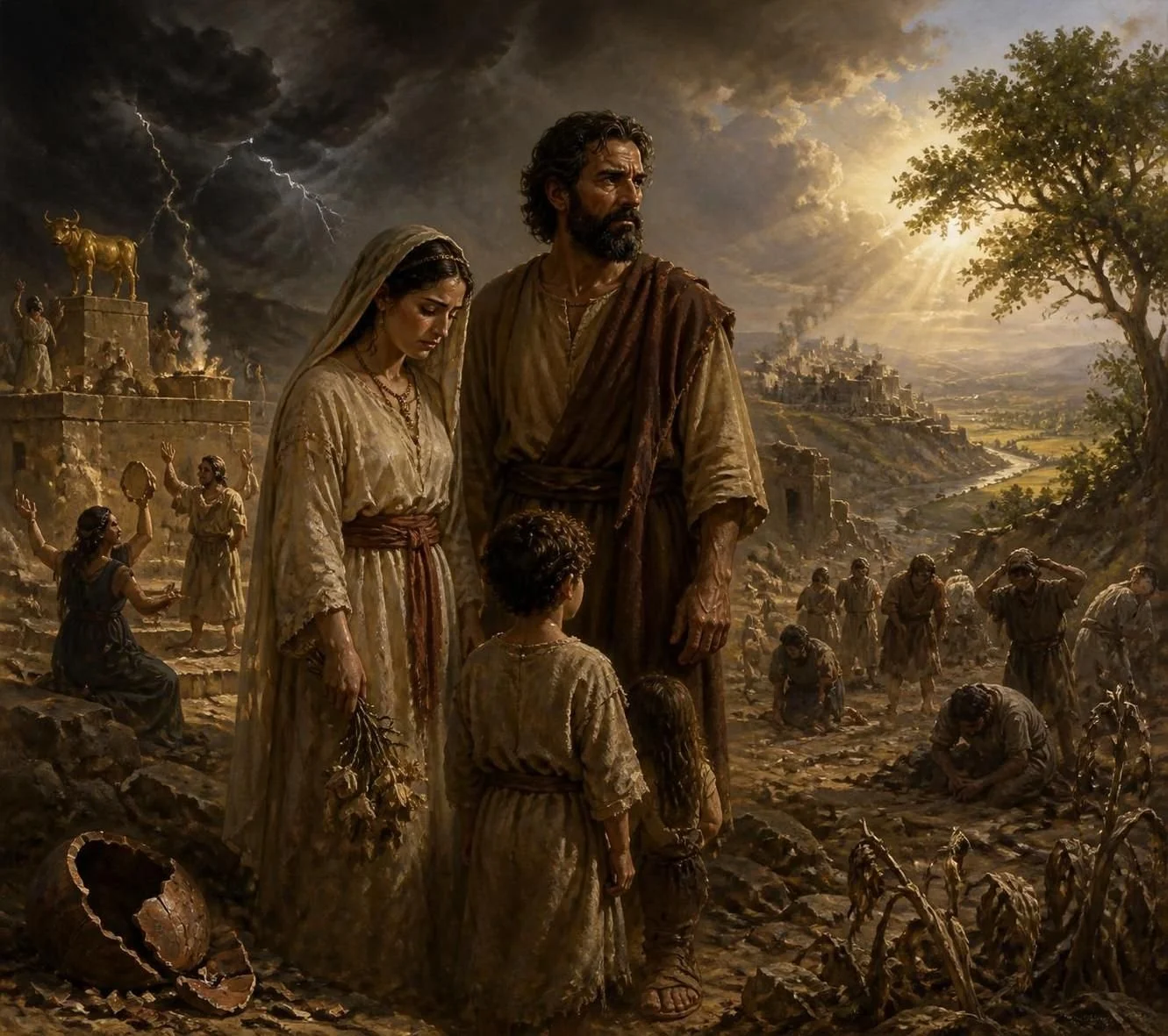
Hosea Chapters 1 - 7
The living parable of Hosea’s marriage to Gomer (Chapters 1–3) — a picture of God’s faithful love for an unfaithful people. God’s case against Israel for her lack of true knowledge of Him, superficial repentance, and spiritual adultery (Chapters 4–7), while still holding out the hope of restoration for those who return.
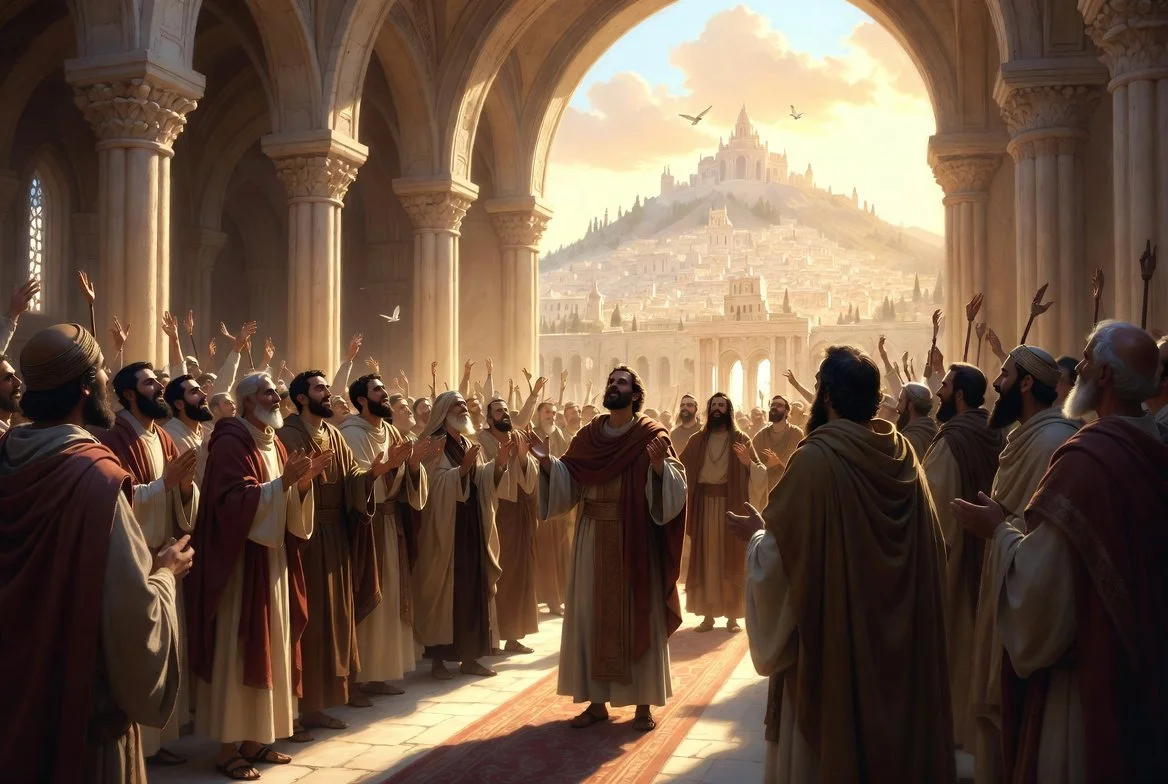
2 Kings Chapter 18, 2 Chronicles 29-31, Psalm 48
Here we witness King Hezekiah’s bold reforms, the cleansing and rededication of the Temple, the restoration of true worship, and his courageous stand of faith against the Assyrian invasion.
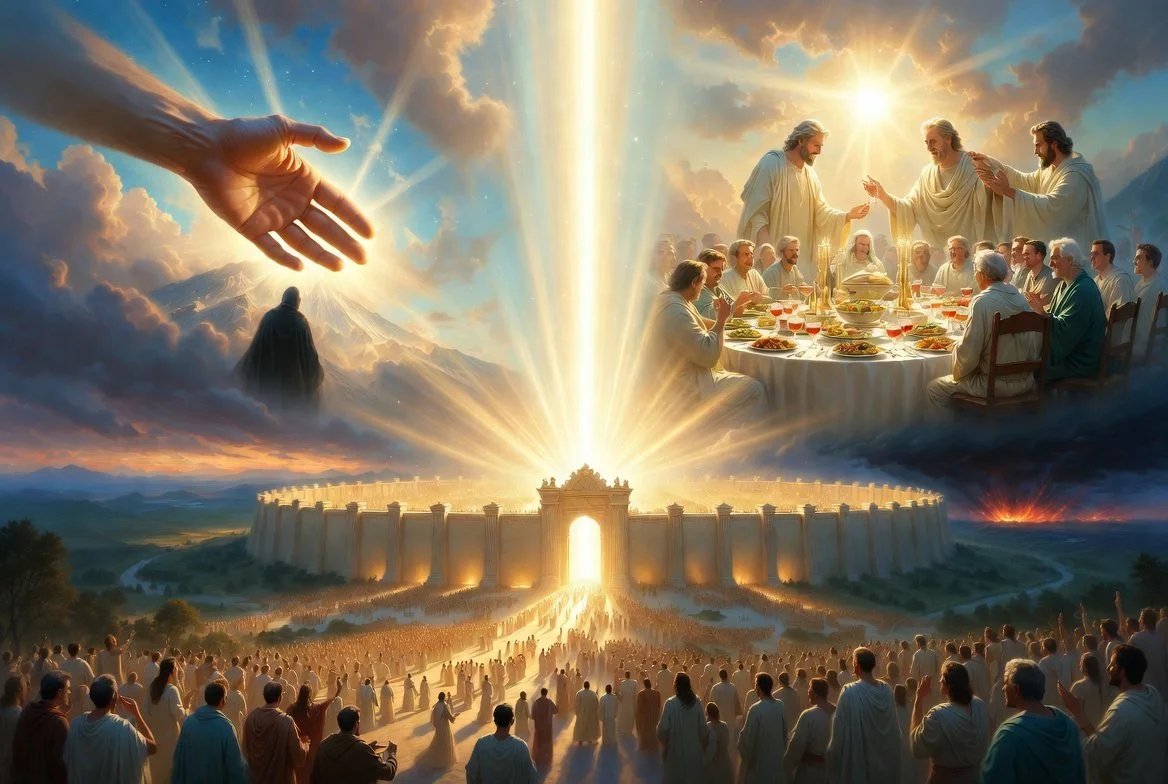
Isaiah Chapters 23 - 27
Isaiah 23–27 shifts from the specific judgment on Jerusalem to oracles against the proud trading city of Tyre, then broadens into a sweeping vision of God’s global judgment on the earth in the day of the Lord, followed by triumphant songs of praise, salvation, and the final restoration of God’s people.
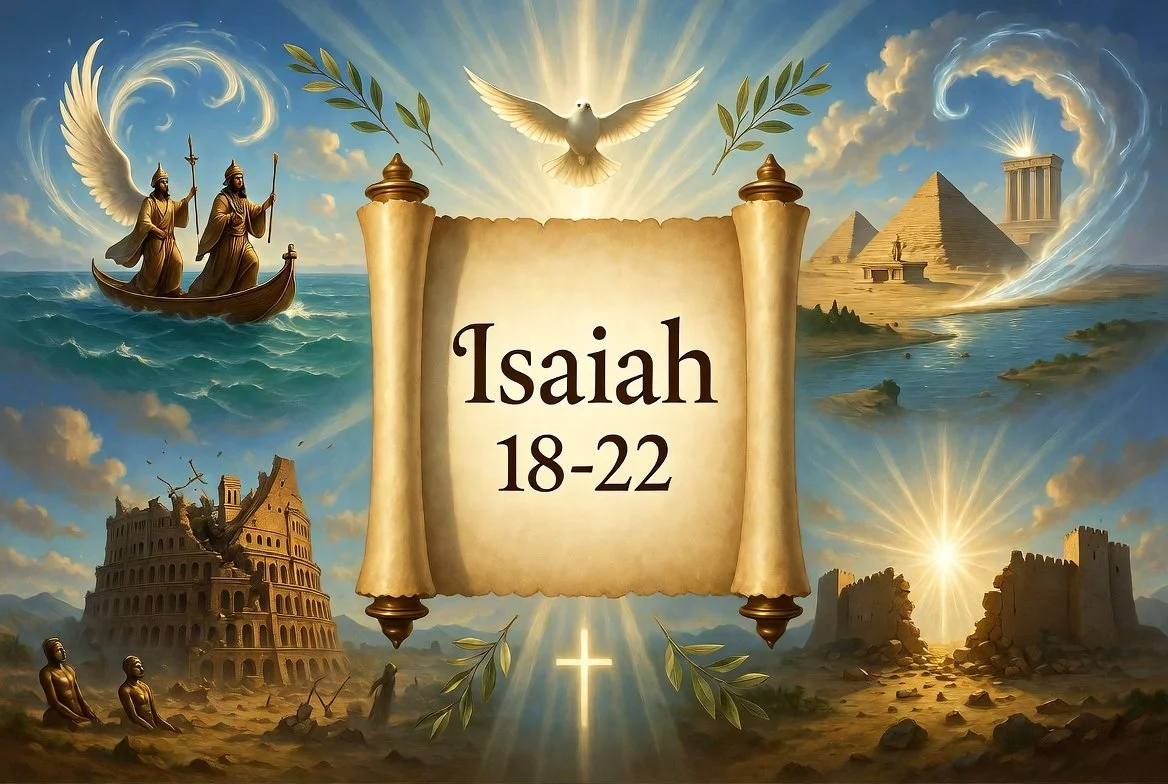
Isaiah Chapters 18 - 22
Isaiah 18–22 continues the oracles against the nations, addressing Cush (Ethiopia), Egypt, Babylon, and Jerusalem itself, revealing God’s sovereign judgment on human pride and alliances while pointing toward His ultimate purposes of redemption and worship among the peoples.

Isaiah Chapters 13 - 17
Isaiah 13–17 shifts to a series of oracles (burdens) pronouncing God’s judgment on the surrounding nations—beginning with the fall of proud Babylon, including the taunt against its king, and extending to judgments against Philistia, Moab, Damascus (Syria), and others—while also pointing to Israel’s future restoration and God’s ultimate sovereignty.
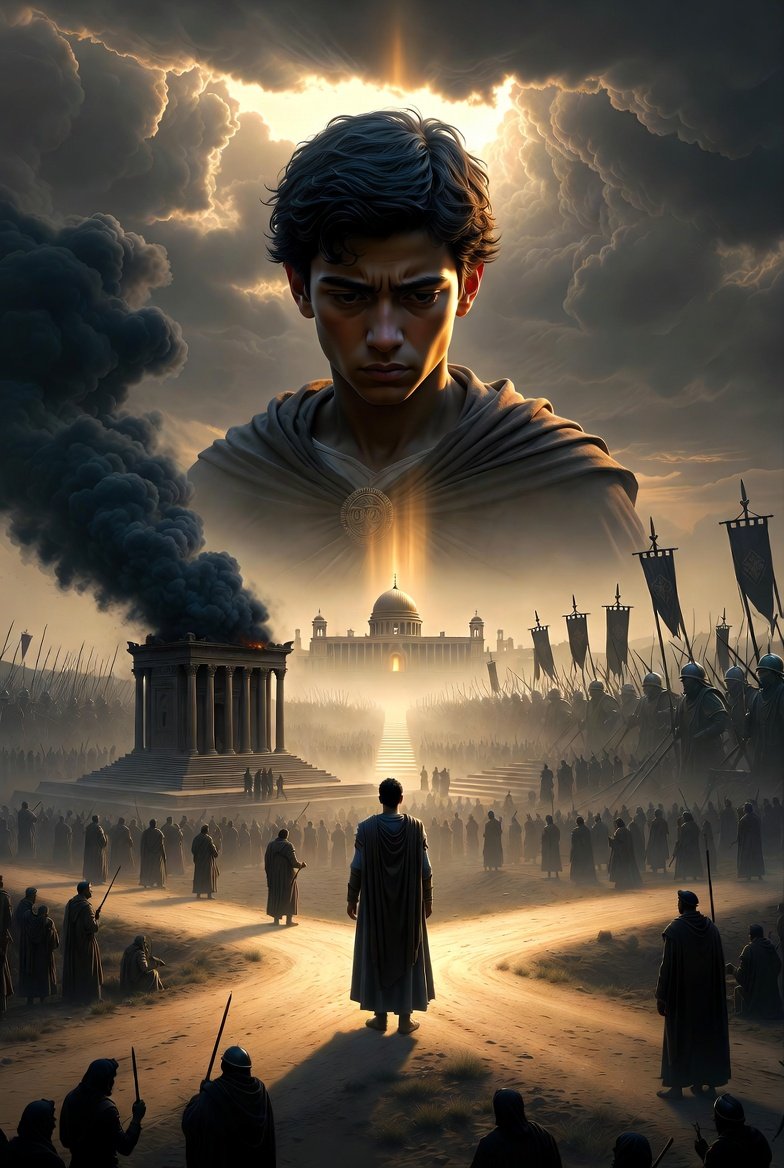
2 Chronicles Chapter 28 & 2 Kings 16 - 17
Today we turn to 2 Kings 15, which covers the long reign of Azariah (Uzziah) in Judah alongside a rapid succession of mostly wicked and short-lived kings in Israel, and 2 Chronicles 15 & 16, which continue Asa’s story with a powerful prophetic call to seek the Lord, a covenant renewal, followed by his later reliance on foreign alliances instead of God.

Micah Chapters 1 - 7
Micah’s main message is a powerful mix of warning and hope. God is holy and just, so He must address sin — especially injustice, idolatry (worshiping false gods), and corrupt leadership
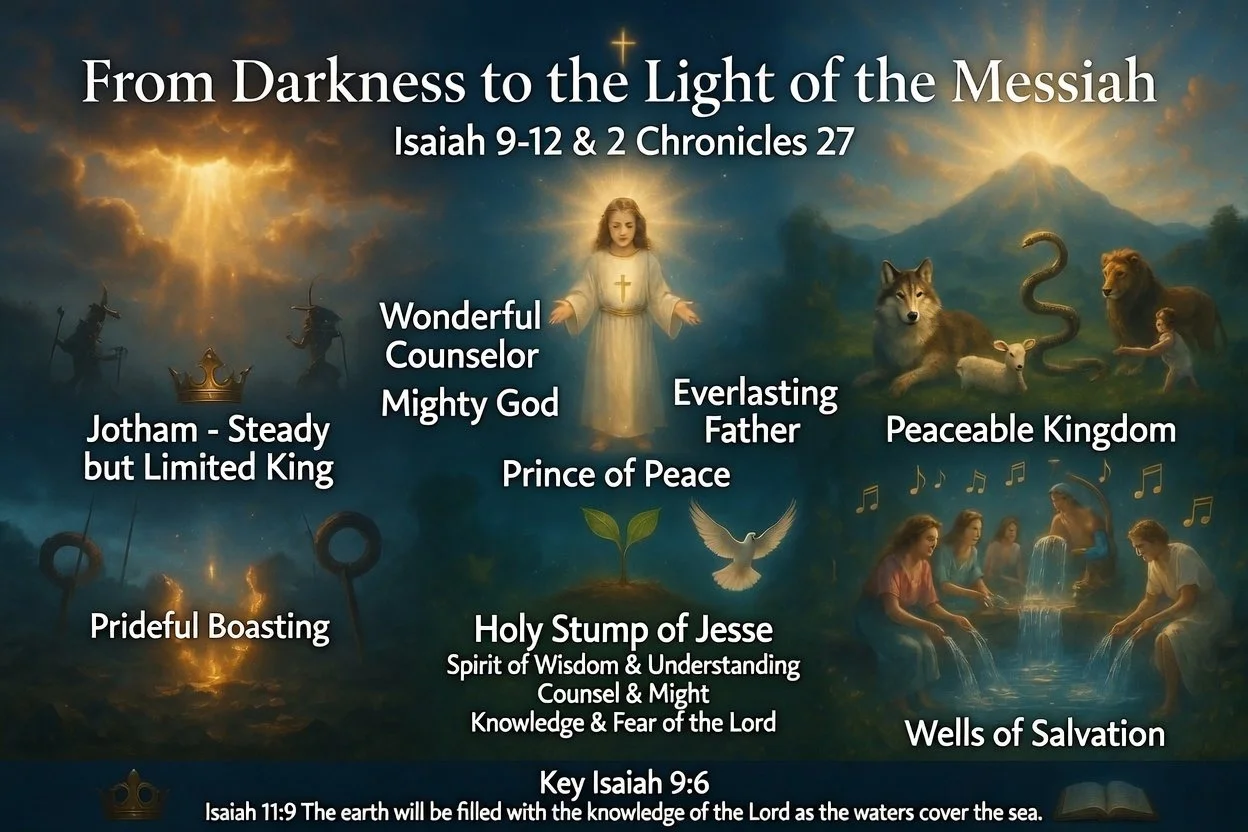
2 Chronicles Chapter 27, Isaiah Chapters 9 - 12
Today in 2 Chronicles 27 we see the brief but faithful reign of Uzziah’s son Jotham, while Isaiah 9–12 bursts with hope through the prophecy of the coming Messiah, God’s judgment on Israel’s enemies, and the promise of restoration and peace under the righteous Branch.
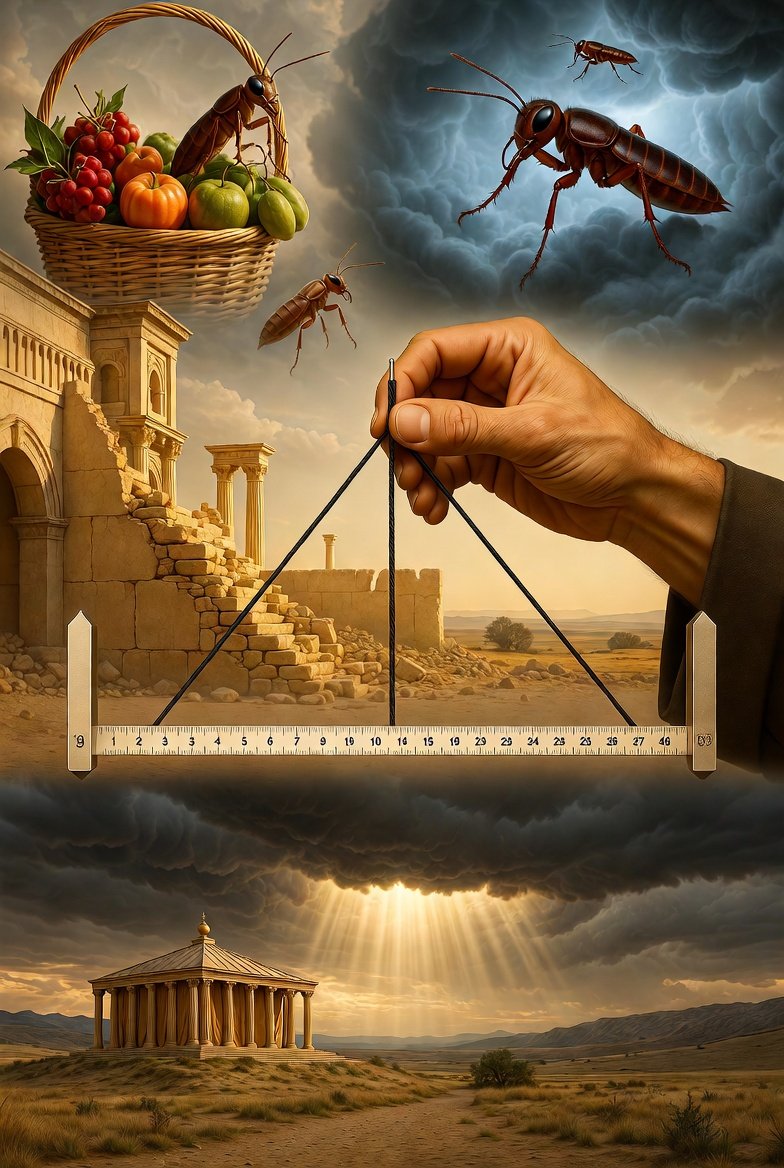
Amos Chapters 6-9
Continuing the prophetic message, Amos 6–9 pronounces woes on the complacent leaders and people who indulge in luxury while ignoring injustice, followed by visions of impending destruction, a brief intercession by Amos, and ultimately a promise of future restoration for the remnant of God's people.
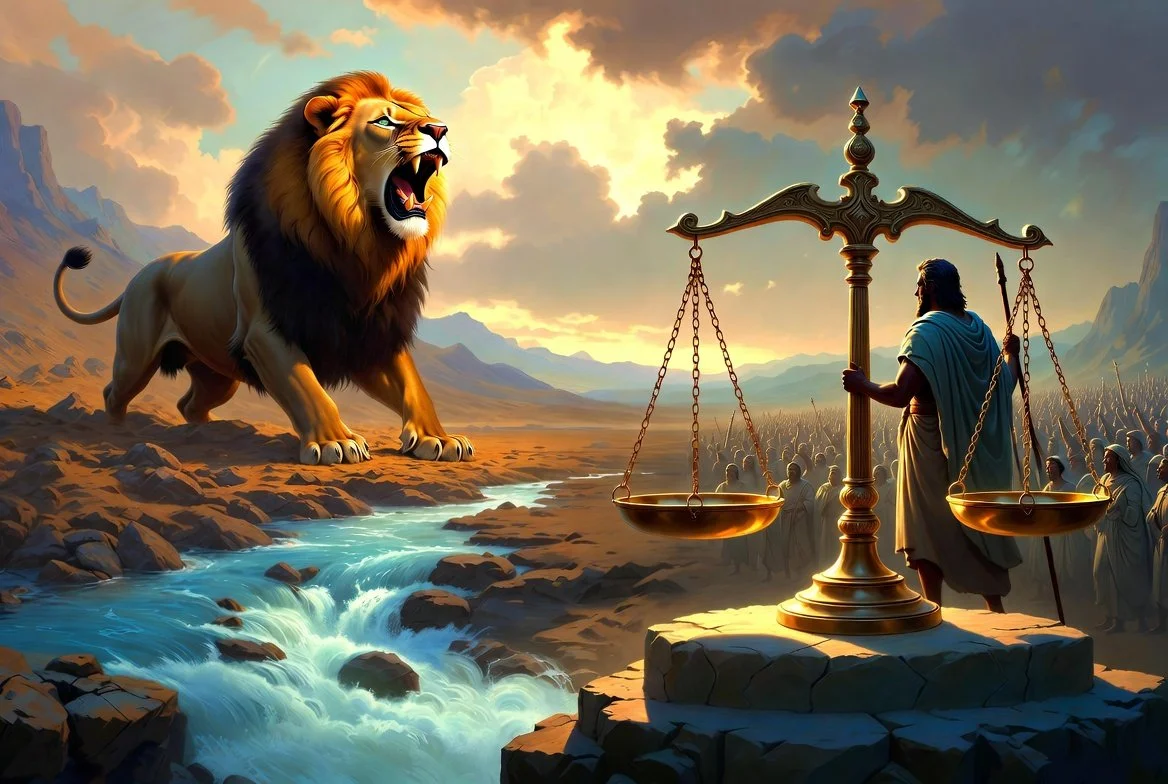
Amos Chapters 1 -5
In the days of King Jeroboam II, when Israel enjoyed outward prosperity but was rotting with social injustice, oppression of the poor, and empty, idolatrous religion, God raised up Amos—a simple shepherd and sycamore fig farmer from Tekoa in Judah—to deliver a powerful message of divine judgment and a passionate call to repentance.
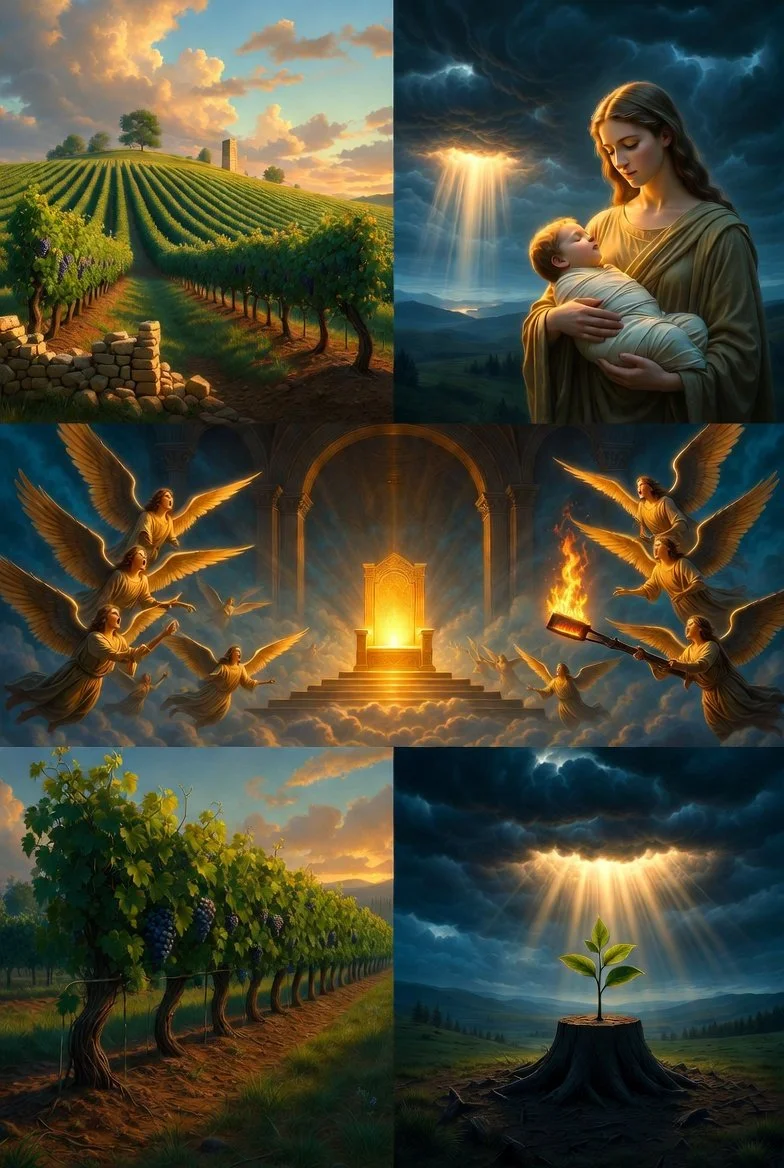
Isaiah Chapters 5 - 8
Now in chapters 5–8, the tone turns again to warning and judgment as the Lord confronts His people’s sin through the vivid parable of the vineyard, the prophet’s powerful temple vision and commissioning, and the signs of coming judgment alongside the comforting promise of Immanuel.
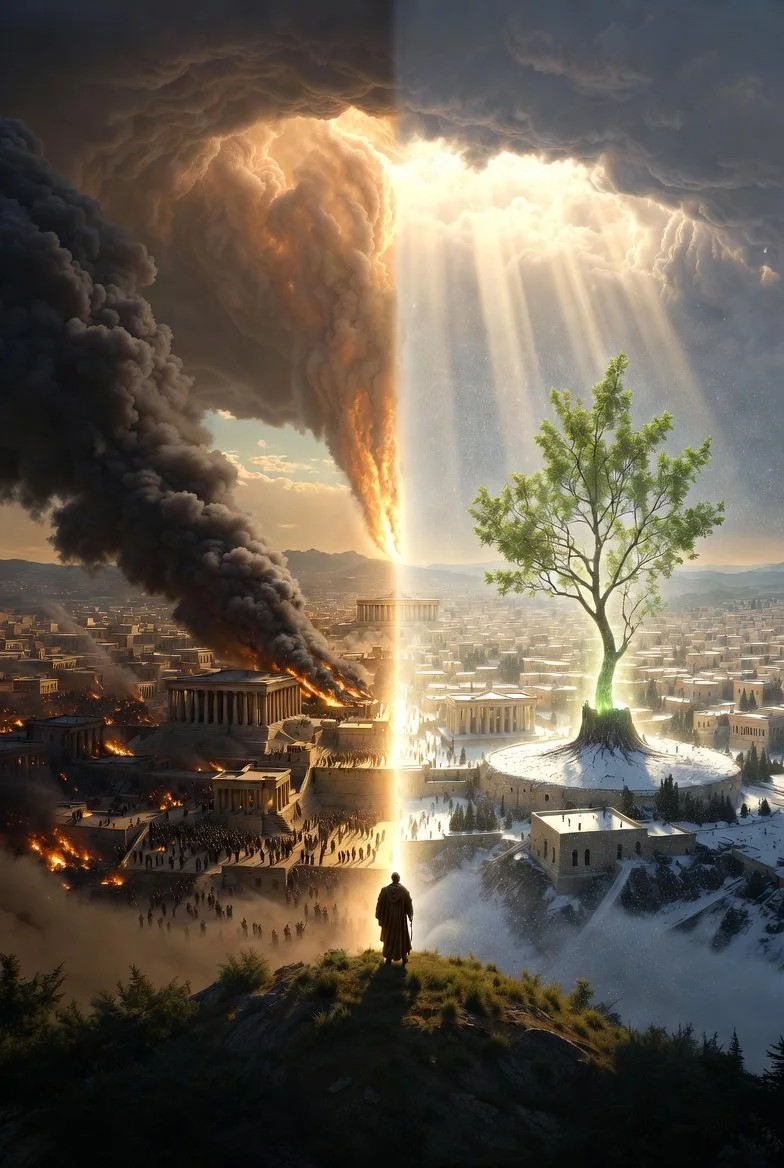
Isaiah Chapters 1 - 4
These opening chapters of Isaiah serve as a powerful introduction to the entire book. They function like a divine “courtroom scene” where God brings charges against His people, calls them to repentance, warns of coming judgment, and yet weaves in beautiful threads of hope and future restoration. Isaiah prophesied in Judah around 740–681 BC, beginning in the year King Uzziah died.
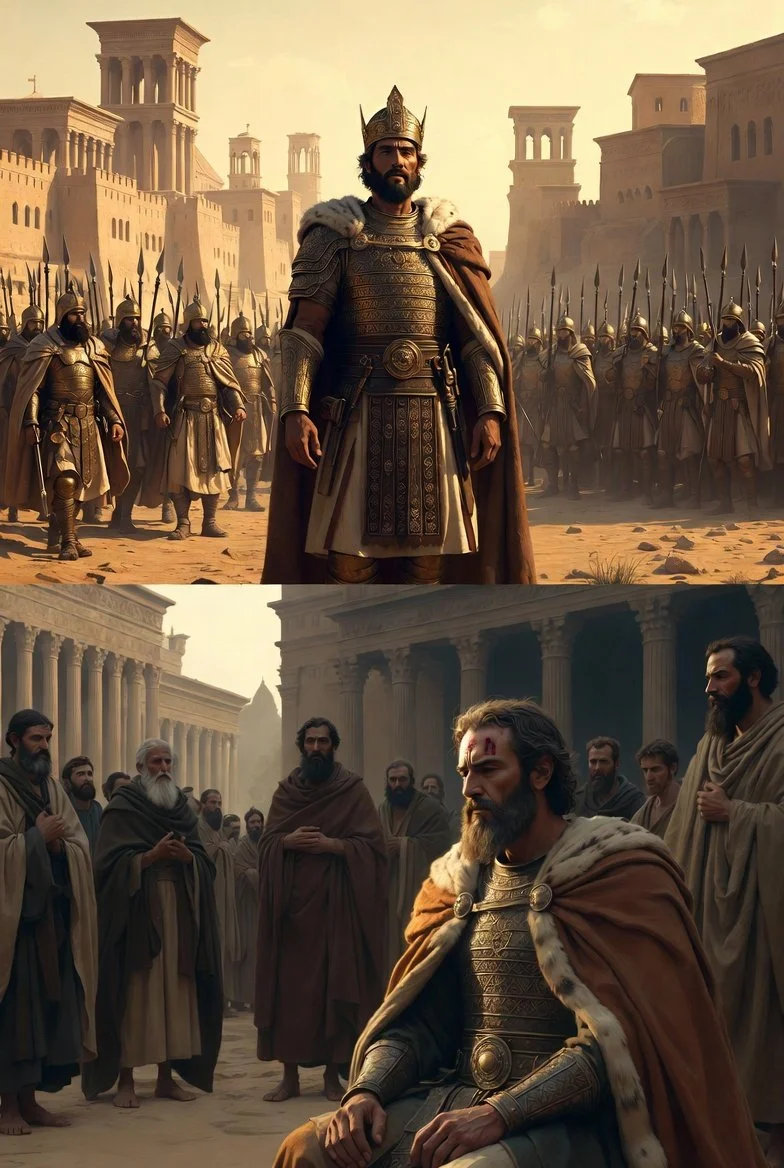
2 Kings Chapter 15, 2 Chronicles Chapter 26
We now turn to the reigns following Amaziah, where 2 Kings 15 covers Azariah (Uzziah) of Judah alongside a rapid succession of mostly evil and short-lived kings in Israel, while 2 Chronicles 26 focuses in greater detail on Uzziah’s long, initially prosperous, but ultimately prideful reign marked by military success, building projects, and later leprosy as divine judgment.

Jonah Chapters 1 - 4
Jonah is a story of God’s relentless grace. Jonah runs from God’s call to warn Israel’s enemy, faces consequences, repents (sort of), and sees a massive revival in Nineveh—yet he struggles with God’s compassion
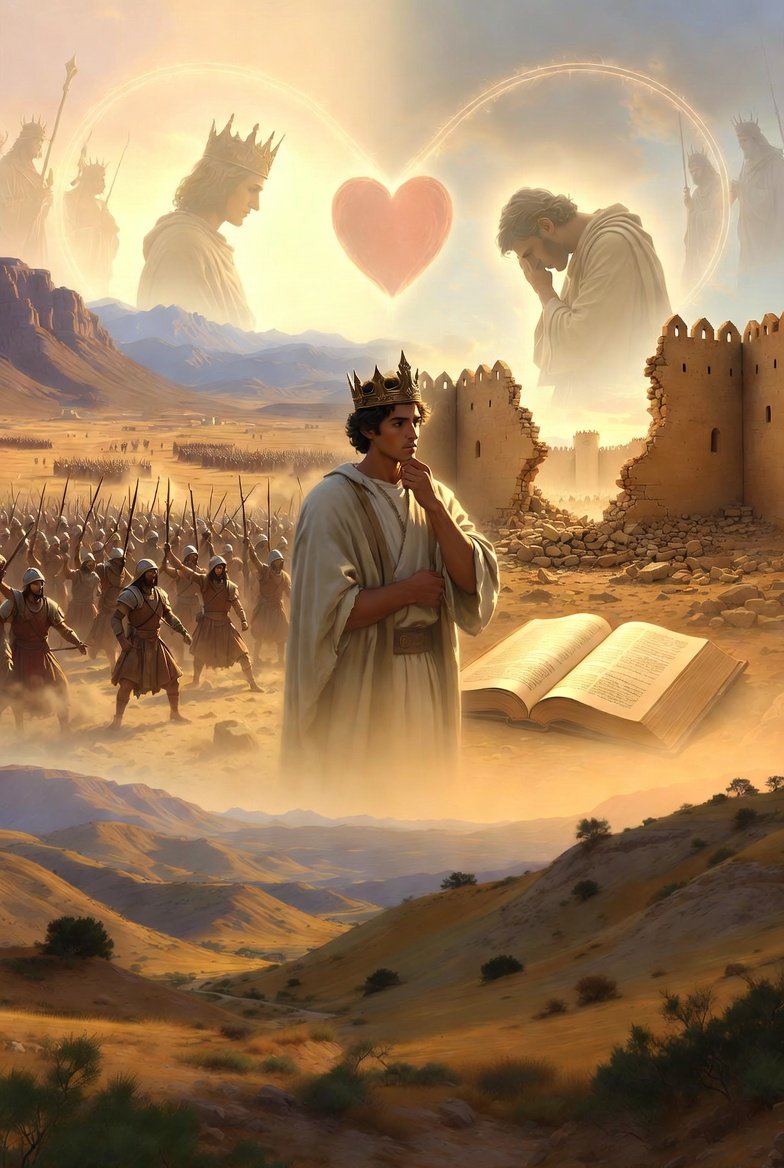
2 Kings Chapter 14 and 2 Chronicles Chapter 25
We now turn to the reign of Amaziah, son of Joash, king of Judah, who did what was right in the eyes of the Lord—though not wholeheartedly—as recorded in these parallel chapters.
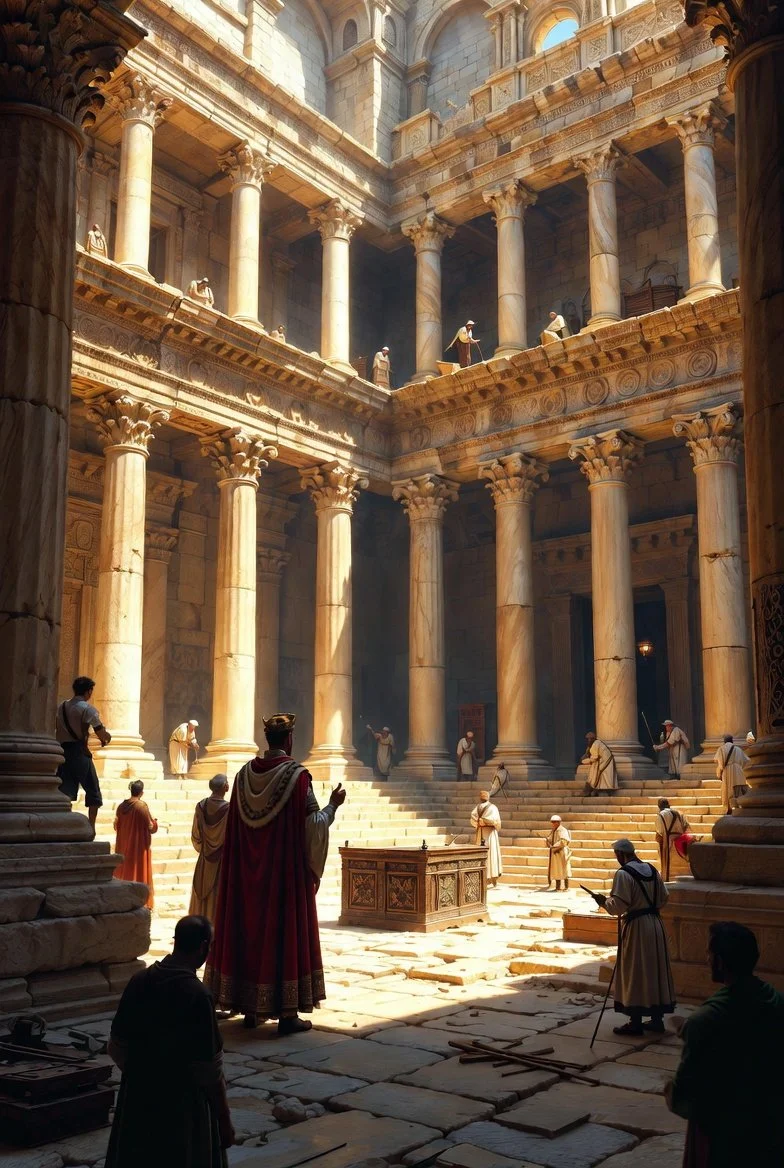
2 Kings Chapters 12-13, 2 Chronicles Chapter 24
Joash became king at seven and, guided by Jehoiada, did right for years—raising funds and repairing the temple. After Jehoiada’s death he turned to idolatry, ignored prophets, was punished by enemies, and was slain in a conspiracy—showing the danger of drifting from God without steady godly influence.
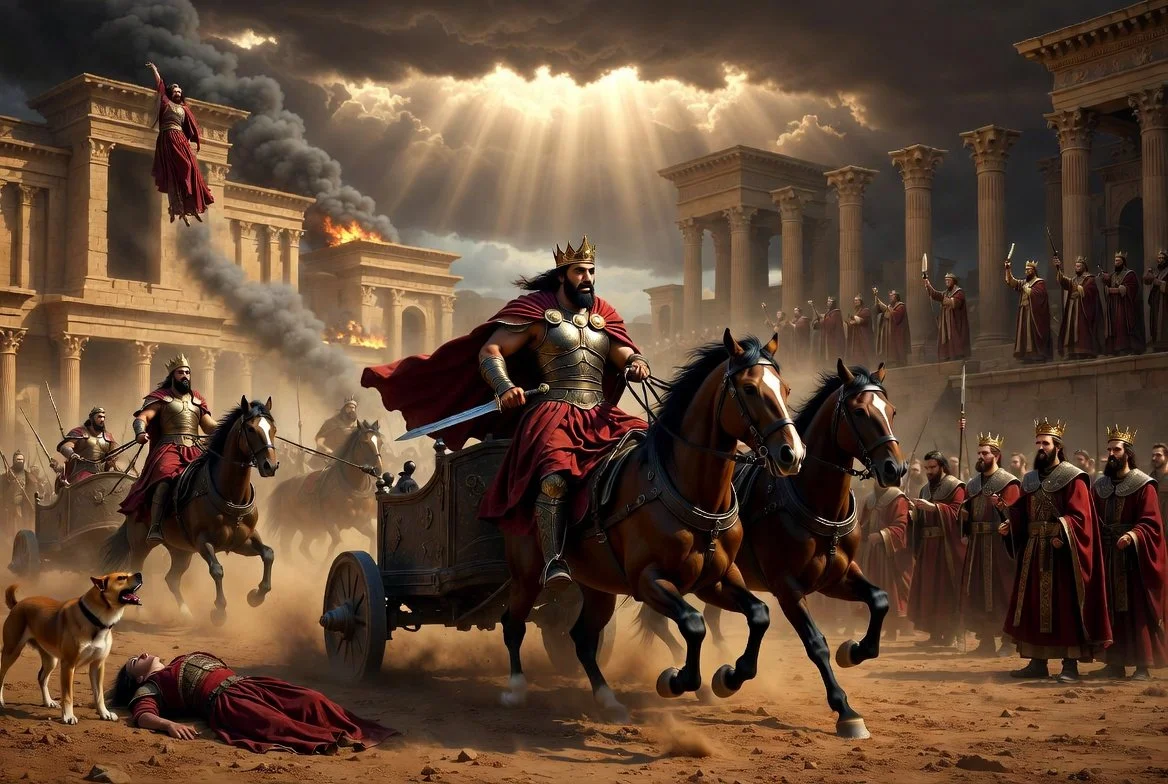
2 Kings Chapters 9-11
In chapters 9–11, the Lord fulfills His prophecies of judgment on the house of Ahab as the anointed Jehu violently overthrows and destroys King Joram of Israel, King Ahaziah of Judah, Queen Jezebel, and the remaining family of Ahab, then eradicates Baal worship in Israel, while in Judah the wicked Athaliah is overthrown and young Joash is crowned king.
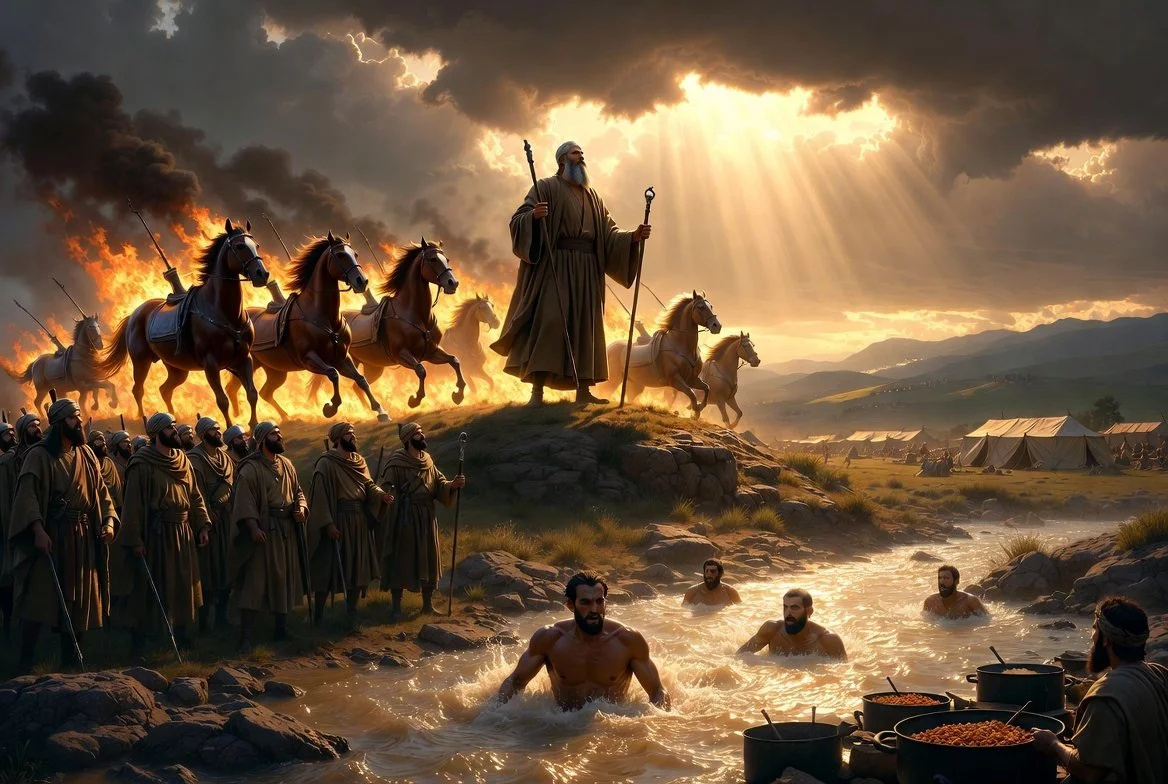
2 Kings Chapters 5-8
Continuing Elisha’s ministry, chapters 5–8 display God’s power over disease, armies, famine, and death, revealing His faithfulness to His people even in times of national crisis and foreign threats.
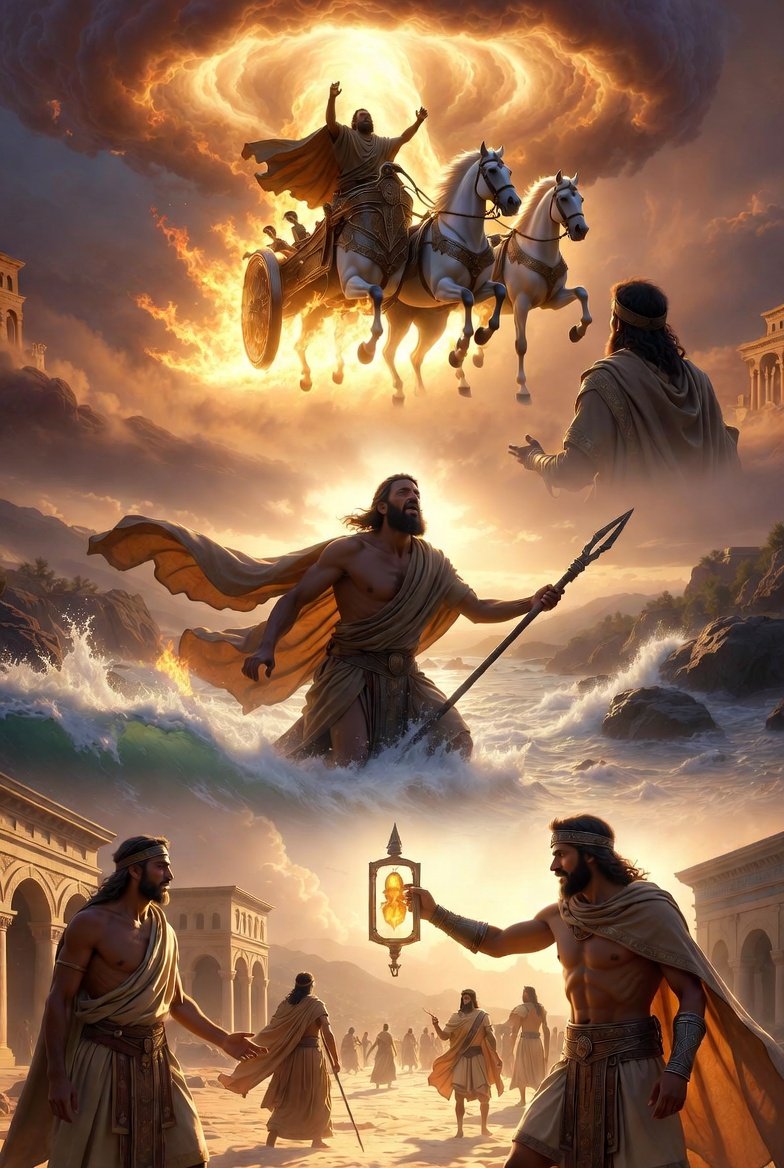
2 Kings Chapters 1 - 4
Picking up immediately after Ahab’s death, 2 Kings 1–4 introduces the transition from the prophet Elijah to his successor Elisha, showcasing God’s power through dramatic miracles and confrontations with idolatry as Elisha begins his ministry amid the continuing decline of the northern kingdom.