

Chronological Study of the Bible.
Reading the Bible in chronological order follows the sequence of events as they occurred historically (based on scholarly research), rather than the traditional canonical order. This approach helps connect historical narratives, interweave Psalms and prophetic writings with related events, and provide better context (e.g., placing Job during the patriarchal period and harmonizing Gospel accounts).
Chronological Bible Study
-
Genesis 1 -3 January 1
Genesis 4 - 7 January 2
Genesis 8 - 11 January 3
Chapter 12-15 January 16
Chapters 16-18 January 17
Chapters 19-21 January 18
Chapters 22 - 24 January 19
Chapters 25 - 26 January 20
Chapters 27-29 January 21
Chapters 30-31 January 22
Chapters 32-34 January 23
Chapters 35 - 37 January 24
Chapters 38 - 40 January 25
Chapters 41-42 January 26
Chapters 43-45 January 27
Chapters 46-47 January 28
Chapters 48 - 50 January29
-
Chapter 1 - 5 January 4
Chapter 6 -9 January 5
Chapter 10 -13 January 6
Chapter 14-16 January 7
Chapter 17 -20 January 8
Chapter 21-23 January 9
Chapter 24-28 January 10
Chapter 29-31 January 11
Chapter 32-34 January 12
Chapter 35-37 January 13
Chapter 38-39 January 14
Chapter 40-42 January 15
-
Chapters 1 -3 January 30
Chapters 4-6 January 31
Chapters 7 -9 February 1
Chapters 10 - 12 February 2
Chapters 13 - 15 February 3
Chapters 16 - 18 February 4
Chapters 19-21 February 5
Chapters 22 - 24 February 6
Chapters 25 - 27 February 7
Chapters 28 - 29 February 8
Chapters 30 - 32 February 9
Chapters 33 - 35 February 10
Chapters 36 - 38 February 11
Chapters 39 - 40 February 12
-
Chapters 1 - 4 February 13
Chapters 5 - 7 February 14
Chapters 8 - 10 February 15
Chapters 11 - 13 February 16
Chapters 14 - 15 February 17
Chapters 16 - 18 February 18
Chapters 19 - 21 February 19
Chapters 22 - 23 February 20
Chapters 24 - 25 February 21
Chapters 26 - 27 February 22
-
Chapters 1 - 2 February 23
Chapters 3 - 4 February 24
Chapters 5 - 6 February 25
Chapters 7 February 26
Chapters 8-10 February 27
Chapters 11 - 13 February 28
Chapters 14 - 15, Psalm 90 March 1
Chapters 16 - 17 March 2
Chapters 18 - 20 March 3
Chapters 21-22 March 4
Chapters 23 - 25 March 5
Chapters 26 - 27 March 6
Chapters 28 - 30 March 7
Chapters 31 - 32 March 8
Chapters 33 - 34 March 9
Chapters 35-36 March 10
-
Chapters 1 - 2 March 11
Chapters 3 - 4 March 12
Chapters 5 - 7 March 13
Chapters 8-10 March 14
Chapters 11 - 13 March 15
Chapters 14 - 16 March 16
Chapters 17 - 20 March 17
Chapters 21 - 23 March 18
Chapters 24 - 27 March 19
Chapters 28 - 29 March 20
Chapters 30-31 March 21
Chapters 32 - 34, Psalm 91 March 22
-
Chapters 1 - 4 March 23
Chapter 5 - 8 March 24
Chapters 9 - 11 March 25
Chapters 12 - 15 March 26
Chapters 16 - 18 March 27
Chapters 19 -21 March28
Chapters 22 - 24 March 29
-
Chapters 1 - 2 March 30
Judges 3 - 5 March 31
Judges 6 - 7 April 1
Judges 8-9 April 2
Judges 10 - 12 April 3
Judges 13 - 15 April 4
Judges 16 - 18 April 5
Judges 19 - 21 April 6
-
Chapters 1 - 4 April 7
-
Psalm 90, Psalm 91, 11 & 59 April 13
7,27,31,34,52 April 15
56, 120, 140-142 April 16
17,35, 54,63 April 18, 18 April 19
121,123-125,128-130 April 20
6, 8 - 10, 14, 16, 19, 21 April 22
43 - 45, 49, 84 - 85, 87 April 24
73, 77 -78 April 26
81, 88, 92-93 April 28
102 - 104 April 30
1, 2, 15, 22-24, 47, 68 May 5
89, 96, 100, 101, 105, 132 May 6
25, 29, 33, 36, 39 May 8
50, 53, 60, 75 May 10, 20 May 11
65-67, 69, 70 May 12
32, 51, 86, 122 May 14
3-4, 12-13, 28, 55 May 16
26, 40, 58, 61-62, 64 May 18
5, 38, 41 - 42 May 20
57 May 21
95, 97 - 99 May 22
30 May 23
108-110 May 24
131,138, 139, 143 - 145 May 26
27 May 27
111 - 118 May 28
37, 71, 94 May 29
119 May 30
72 June 1
136 June 14
134, 146 - 150 June15
48 July 19
76 July 15
46, 80, 135 July 28
74, 79 August 18
137, September 18
-
Chapters 1-3 April 8
Chapters 4-8 April 9
Chapters 9 - 10 April 10
Chapters 13 -14 April 11
Chapters 15-17 April 12
Chapters 18 - 20, Psalm 11,59 April 13
Chapter 21-24 April 14
Chapters 25 - 27 April 17
Chapters 28 -31 April 19
-
Chapters 1 - 4 April 21
Chapter 5 May 1
Chapter 6-7 May 7
Chapter 8-9 May 9
Chapter 10 May 11
Chapters 11-12 May 13
Chapters 13- 15 May 15
Chapters 16 - 18 May 17
Chapter 19 - 21 May 19
Chapters 22 - 23 May 21
Chapter 24 May23
-
Chapter 1 - 2 April 23
Chapter 3 - 5 April 25
Chapter 6 April 27
Chapter 7 - 10 April 29
Chapter 11-12 May 1
Chapter 13 - 16 May 4
Chapter 17 May 7
Chapter 18 May 9,
Chapter 19, May 11
Chapter 20 May 13
Chapters 21-22 May 23
Chapters 23 - 25 May 25
Chapter 26 - 29 May 27
-
Chapter 1 June 1
Chapter 2 - 3 June 11
Chapter 4 June 12
Chapter 5 June 13
Chapter 6 - 7 June 14
Chapter 8 June 16
Chapter 9 June 21
Chapter 10 - 12 June 24
Chapter 13 - 16 June 25
Chapter 17 June 26
Chapter 18 June 29
Chapter 19 - 23 June 30
Chapter 24 July 5
Chapter 25 July 6
Chapter 26 July 8
Chapter 27 July 13
Chapter 28 July 15
Chapter 29-31 July 19
Chapter 32-33 August 3
Chapters 34 - 35 August 5
Chapter 36 August 19
-
Chapters 1 - 2 May 29
Chapters 3 - 4 May 31
Chapter 5-6 June 11
Chapter 7 June 12
Chapter 8 June 13
Chapter 9 June 16
Chapters 10 - 11 June 21
Chapters 12 - 14 June 23
Chapter 15 June 25
Chapter 16 June 26
Chapter 17 - 19 June 27
Chapters 20 - 21 June 28
Chapter 22 June 29
-
Chapters 1 - 4 July 2 Include Vital Statistics and BluePrint
Chapters 5 - 8 July 3
Chapters 9-11 July 4
Chapter 12-13 July 5
Chapter 14 July 6
Chapter 15 July 8
Chapter 16 - 17 July 15
Chapter 18 July 19
Chapter 19 July 28
Chapter 20 -21 August 2
Chapter 22-23 August 5
Chapter 24 - 25 August 19
-
Chapters 1 - 3 September 17
Chapters 4 - 6 September 18
-
-
Chapters 1 - 8 June 2
-
Chapter 1 - 6 June 19
Chapters 7 - 12 June 20
-
Chapter 1 July 1
-
Chapter 1 - 4 July 7
-
Chapter 1 - 4 July 9
Chapter 5-8 July 10
Chapter 9-12 July 13
Chapter 13-17 July 16
Chapter 18-22 July 17
Chapter 23-27 July 18
Chapter 28-30 July 22
Chapter 31-34 July 23
Chapter 35-36 July 24
Chapter 37-39 July 25
Chapter 40-43 July 26
Chapter 44 -48 July 27
Chapter 49-53 July 29
Chapter 54-58 July 30
Chapter 59-63 July 31
Chapter 64 - 66 August 1
-
Chapter 1 - 5 July 11
Chapter 6 -9 July 12
-
Chapters 1 - 7 July 14
-
Chapters 1 - 7 July 20
Chapters 8 - 14 July 21
-
Chapter 1-3 August 4
-
Chapters 1 - 3 August 6
-
Chapters 1 - 3 August 7
Chapters 4 - 6 August 8
Chapters 7-9 August 9
Chapters 10 - 13 August 10
Chapters 14- 17 August 11
Chapters 18 - 22 August 12
Chapters 23 - 25 August 13
Chapters 26 - 29 August 14
Chapters 30 - 31 August 15
Chapters 32 - 34 August 16
Chapters 35 - 37 August 17
Chapters 38 - 40 August 18
Chapters 41 - 45 August 21
Chapters 46 - 48 August 22
Chapters 49 - 50 August 23
Chapters 51 - 52 August 24
-
Chapters 1 - 3 August 20
-
Chapters 1 - 2 August 25
Chapters 3- 5 August 26
-
Chapter 1 - 4 August 27
Chapter 5 - 8 August 28
Chapter 9 - 12 August 29
Chapter 13 - 15 August 30
Chapter 16 - 17 August 31
Chapter 18 - 20 September 1
Chapter 21 - 22 September 2
Chapter 23 - 24 September 3
Chapter 25 - 27 September 4
Chapter 28 - 30 September 5
Chapter 31 - 33 September 6
Chapter 34 - 36 September 7
Chapter 37 - 39 September 8
Chapter 40 - 42 September 9
Chapter 43 - 45 September 10
Chapter 46 - 48 September 11
-
Chapter 1 - 3 September 12
-
Chapters 1 - 3 September 13
Chapters 4 - 6 September 14
Chapters 7 - 9 September 15
Chapters 10 - 12 September 16
-
Description text goes here
-
Description text goes here
-
Description text goes here
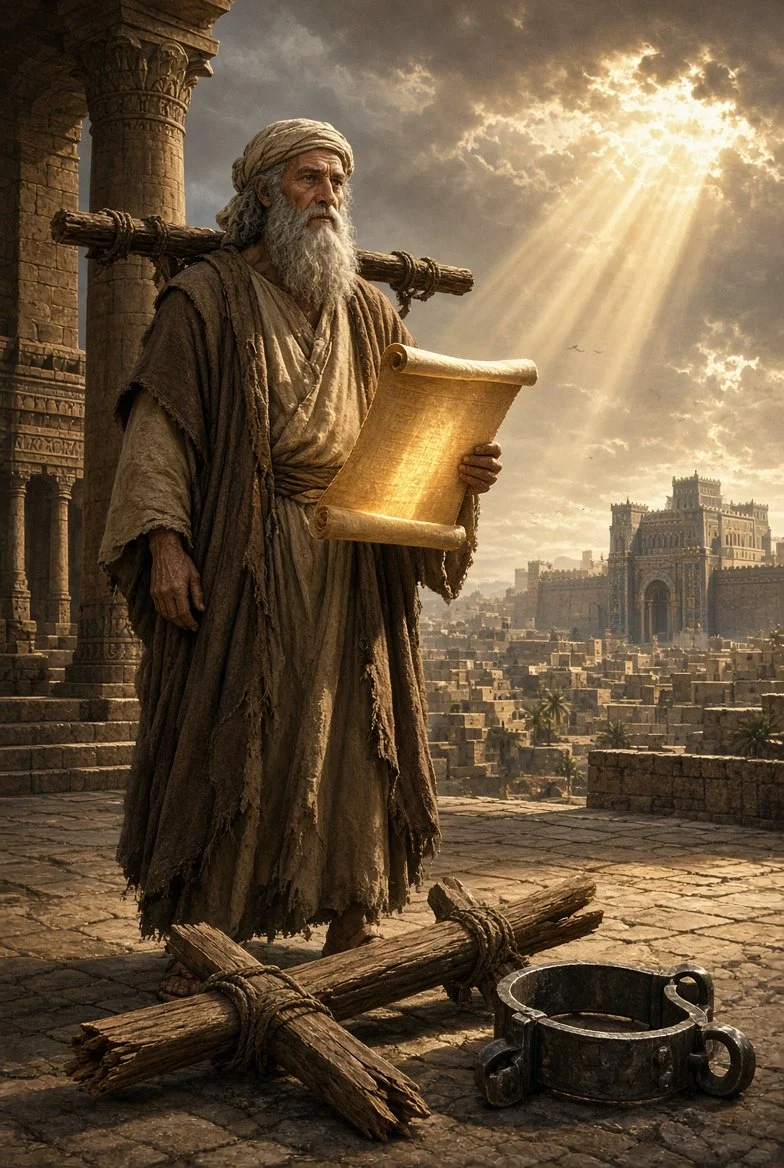
Jeremiah Chapters 26-29
Jeremiah 26–29 depict the prophet's courageous warnings to Judah about imminent judgment for idolatry and social injustice, the hostile response of leaders and people—including threats of death and exile—and God's enduring call to repentance, faithful prophecy, and hopeful promises of restoration even amid exile.
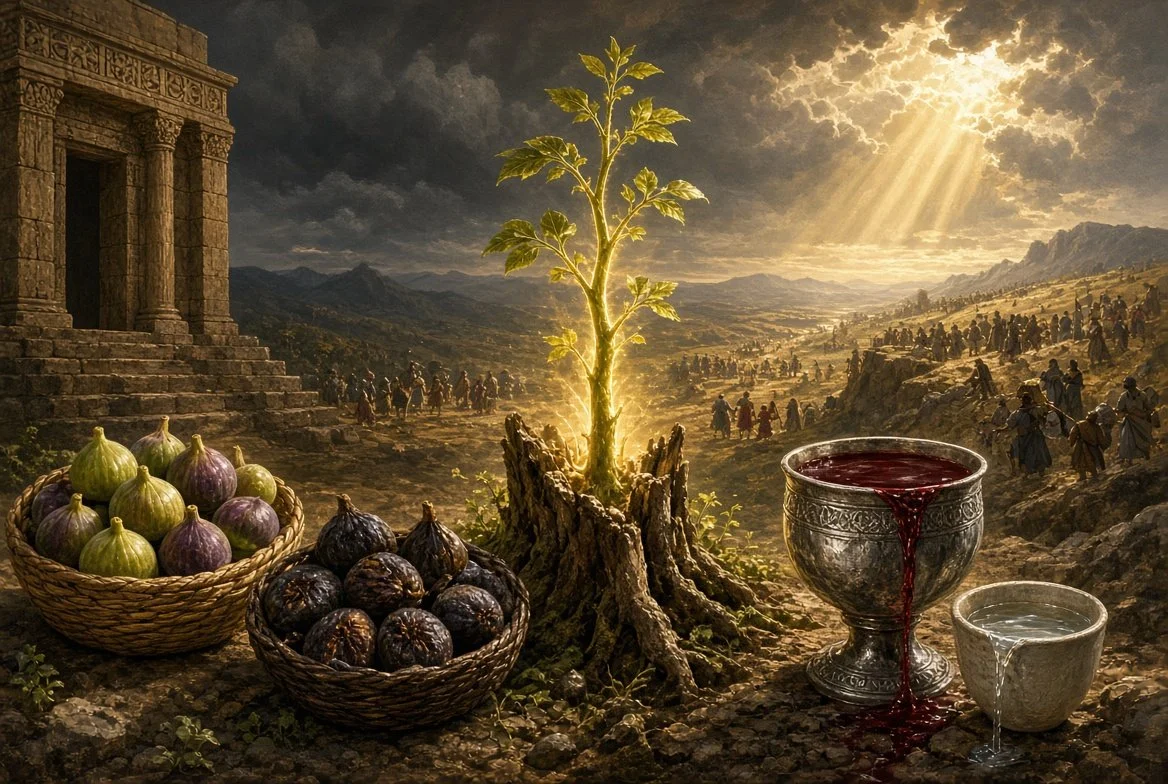
Jeremiah Chapters 23 - 25
Jeremiah 23–25 delivers a powerful prophetic indictment against false shepherds and Israel’s leaders, warns of imminent judgment for persistent unfaithfulness, and calls the people to heed God’s word before exile and destruction overtake the land.
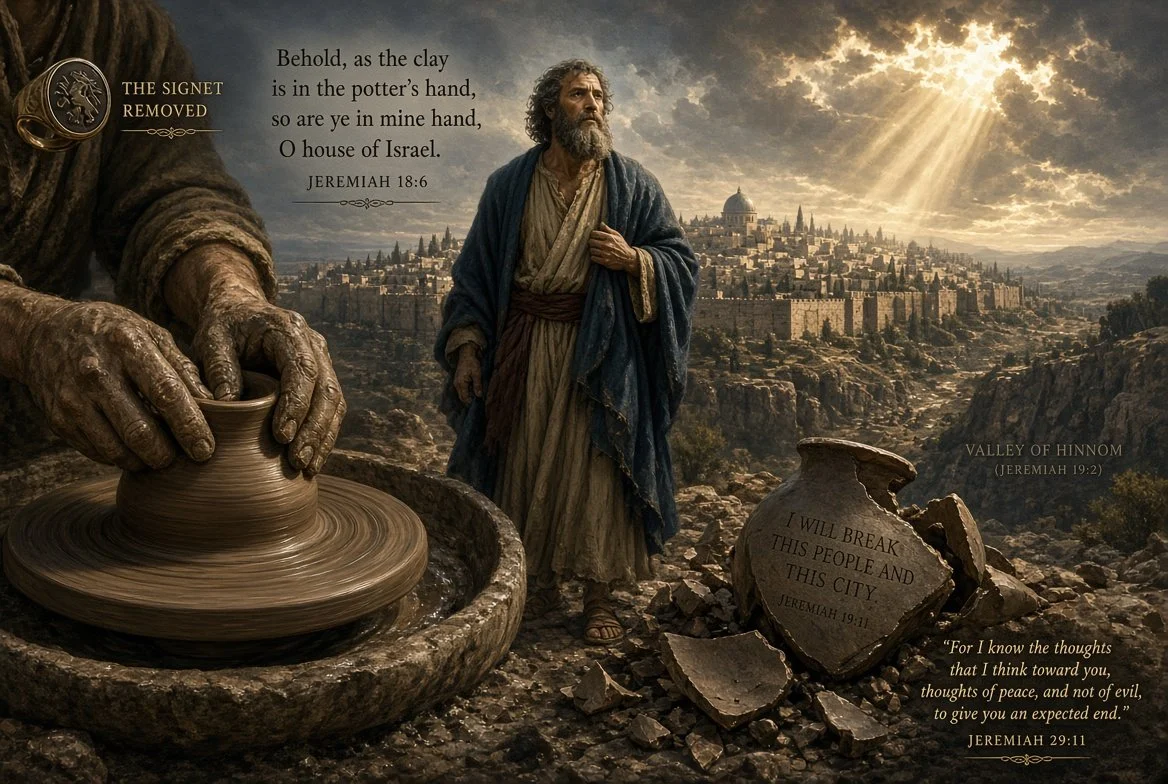
Jeremiah Chapters 18-22
Jeremiah chapters 18–22 confront Israel and Judah with God's call to repentance, using the potter-and-clay metaphor and a series of prophetic judgments to warn leaders
Jeremiah chapters 18–22 confront Israel and Judah with God's call to repentance, using the potter-and-clay metaphor and a series of prophetic judgments to warn leaders and people of the consequences of injustice, idolatry, and unfaithfulness.
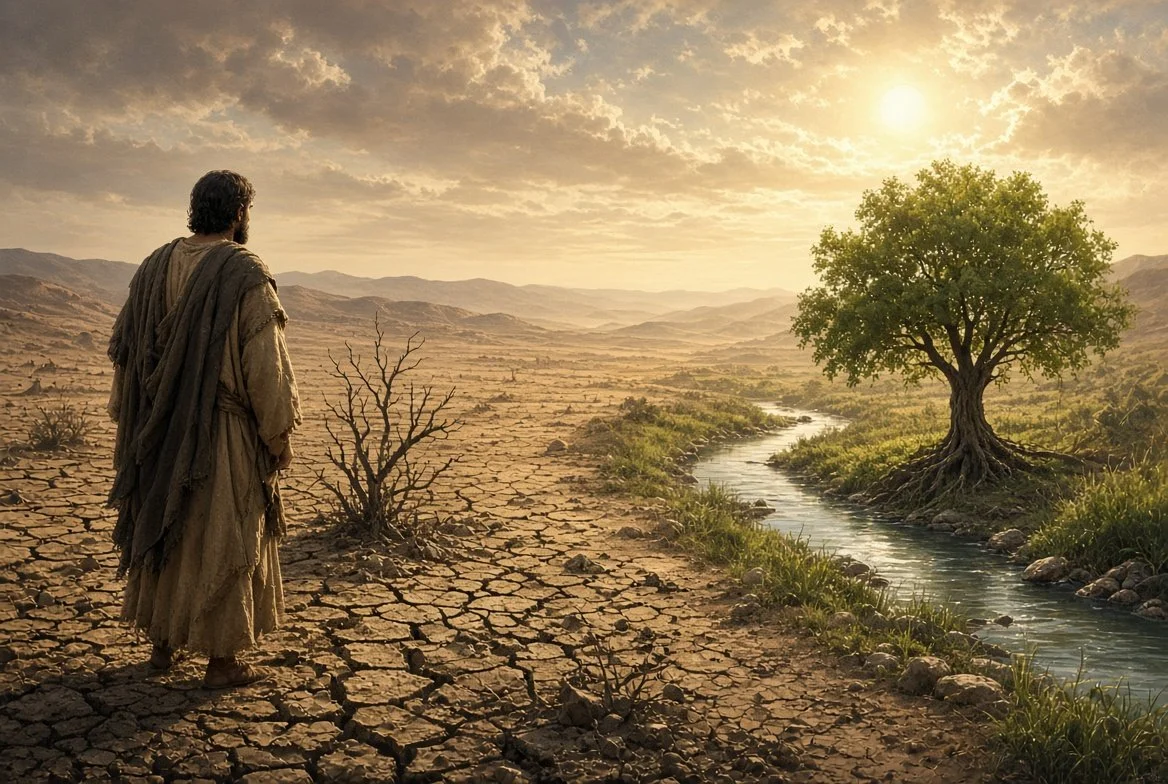
Jeremiah Chapters 14 - 17
Jeremiah 14–17 confronts Judah’s spiritual collapse and impending judgment with stark prophetic warnings, calls for true repentance, and a promise that genuine reliance on the Lord—not false leaders or empty rituals—will determine the nation’s fate.
Jeremiah Chapters 10 - 13
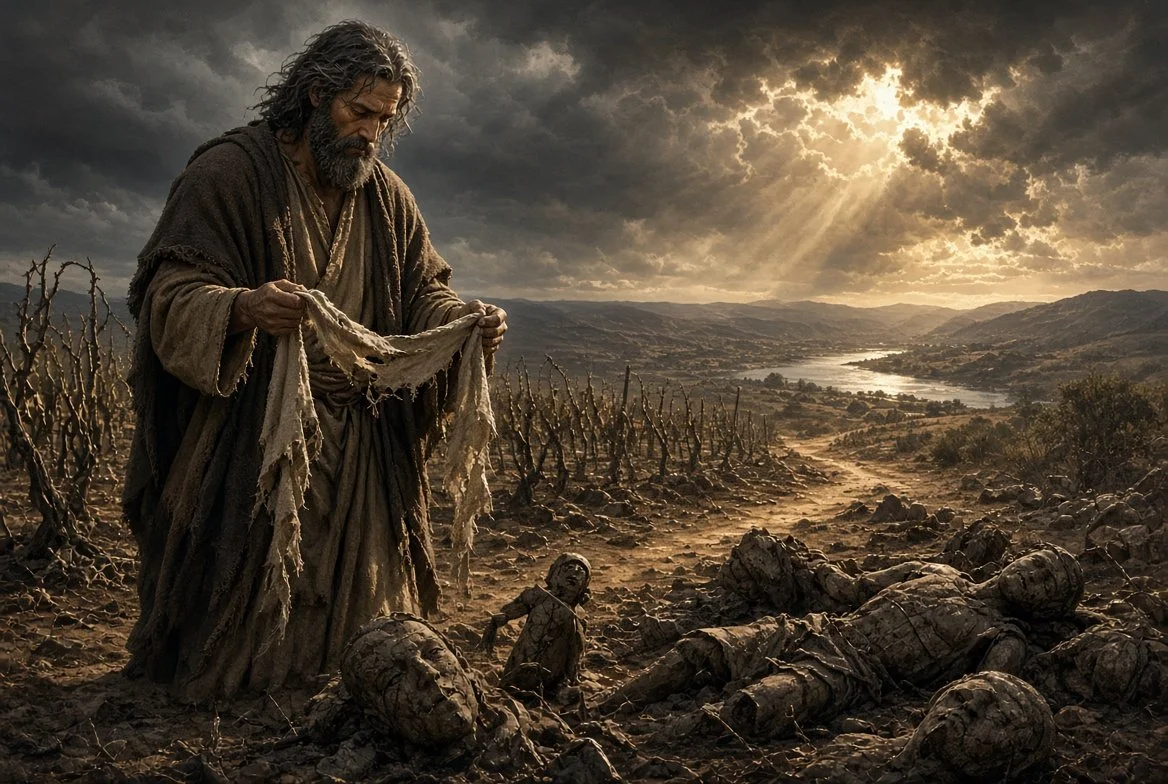
Jeremiah 10–13 confronts Israel with the consequences of idolatry and social injustice, calling the people to repentance while portraying God's judgment and the hope of eventual restoration.

Jeremiah Chapters 7-9
Jeremiah 7–9 confronts Israel with a sobering call to genuine repentance, exposing empty worship, social injustice, and the costly consequences of turning away from God while urging a return to heartfelt obedience.

Jeremiah Chapters 4-6
Jeremiah 4–6 delivers a stark call to repentance as the prophet warns Israel of imminent judgment while urging a heartfelt return to God.
Jeremiah Chapters 1 -3
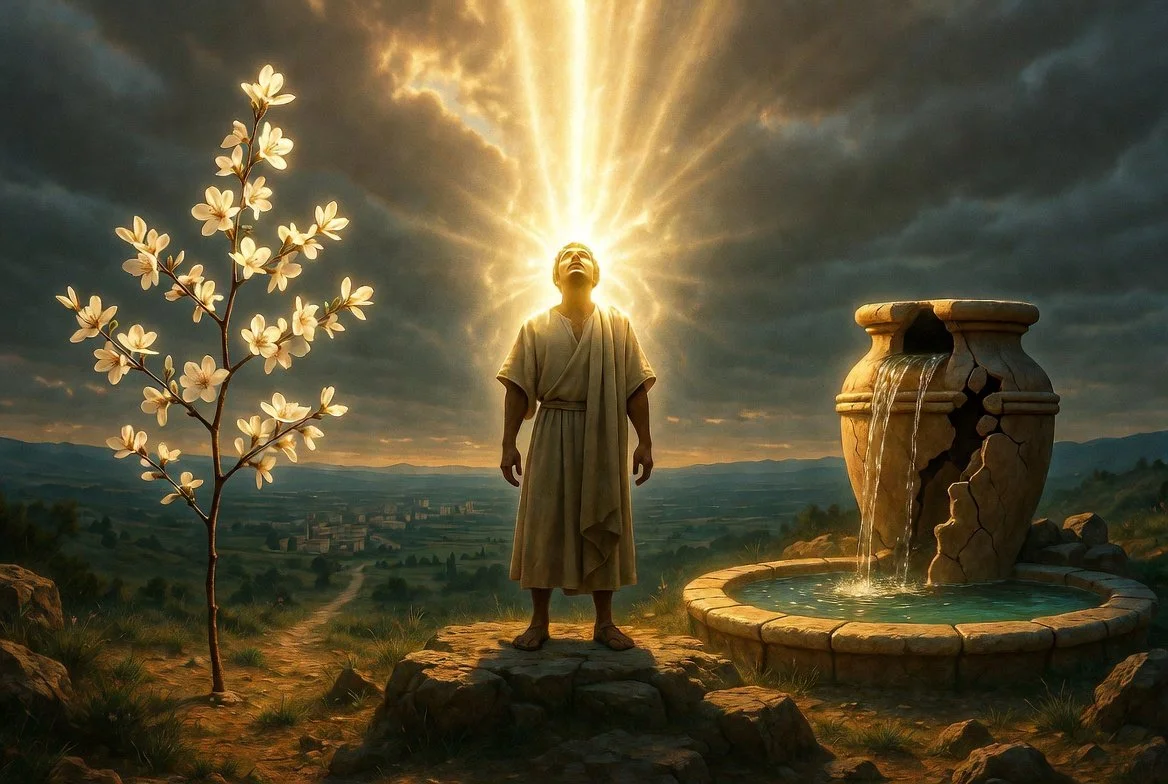
Jeremiah 1–3 introduce the prophet’s calling and urgent warning: God appoints Jeremiah to confront Israel and Judah for covenant unfaithfulness, call them to repentance, and foretell consequences if they persist in idolatry and moral decay.
Zephaniah Chapters 1 -3
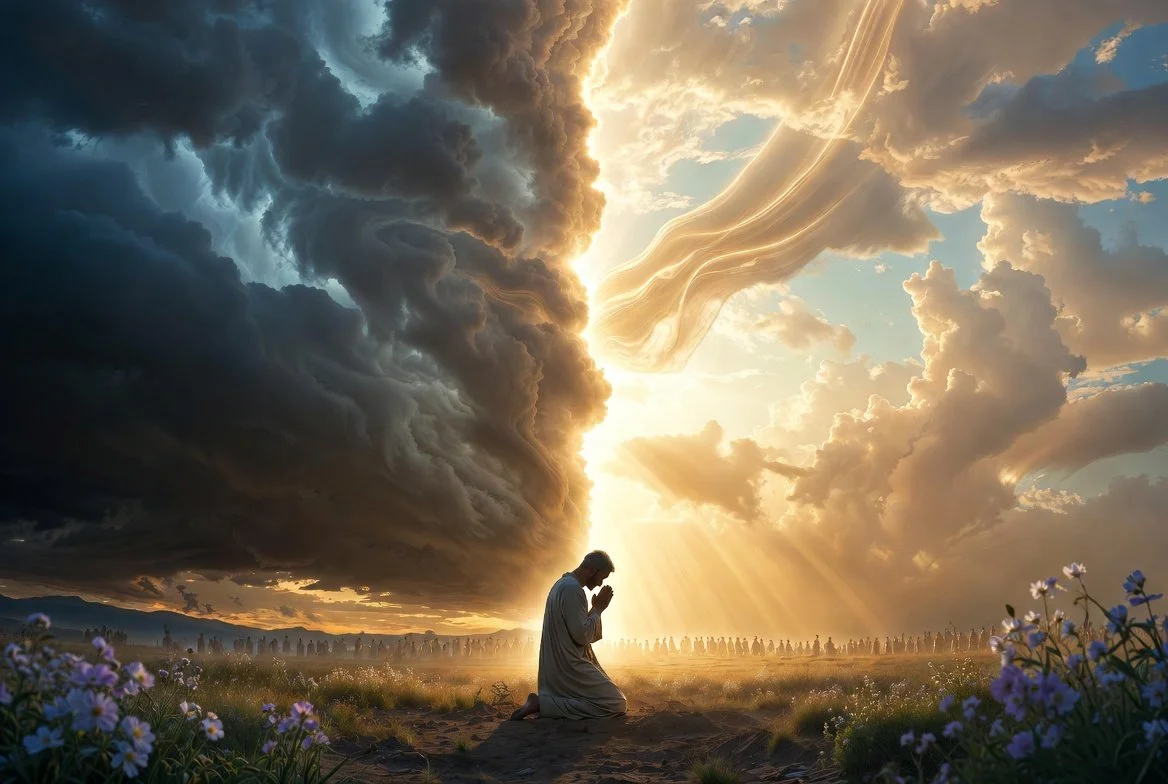
Zephaniah announces the Day of the Lord is near, calling God’s people to seek the Lord, seek righteousness, and seek humility so they may be “hidden” in the day of His anger (2:3), while holding out the glorious hope that the same God who judges will also purify, restore, and rejoice over His people

2 Kings Chapter 22,23 & 2 Chronicles 34-35
Now we turn to 2 Kings 22–23 and 2 Chronicles 34–35, where the young king Josiah seeks the Lord, rediscovers the long-lost Book of the Law, and leads Judah in sweeping reforms and a Passover unlike any since the days of Samuel.
Nahum Chapters 1 - 3
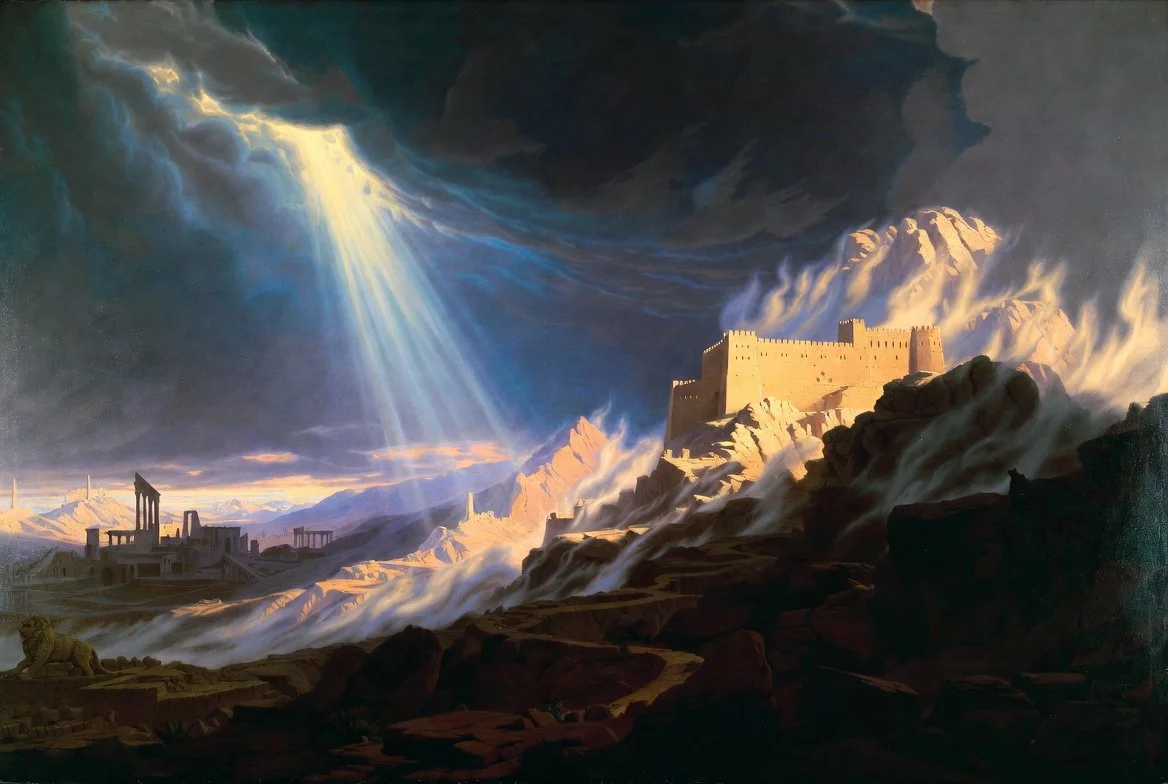
This short, powerful book declares that no empire, however strong or cruel, can stand against the justice and sovereignty of the Lord.
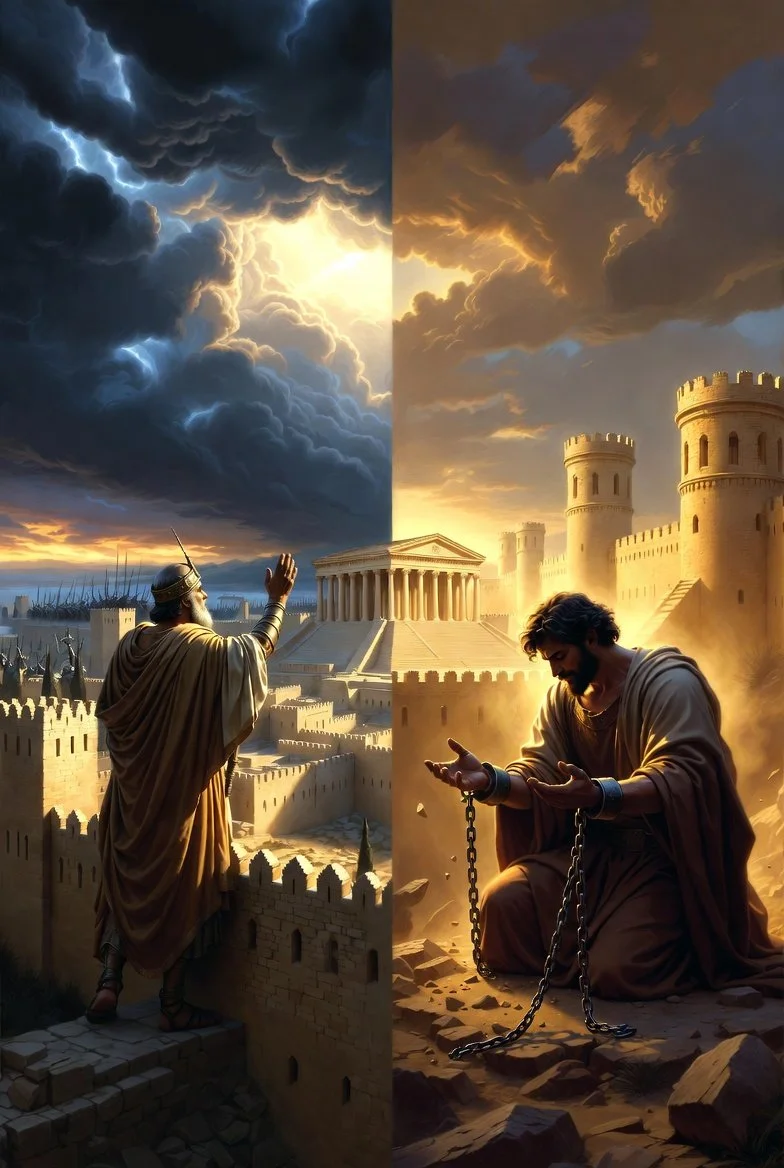
2 Chronicles Chapter 32 & 33
Chapters 32 and 33 now show us the testing of that faithfulness—first through the terrifying invasion of Sennacherib and Hezekiah’s response of trust, and then through the long, dark reign of Manasseh and the surprising mercy that still reaches him.

2 Kings Chapters 20-21
Today we turn to 2 Kings 20–21, where we will see both the mercy You showed Hezekiah in sickness and the tragic consequences that followed in the generations after him.

Isaiah Chapters 64-66
Isaiah 64–66 continues that cry with confession and longing, then answers it with God’s final words of both judgment and everlasting restoration.
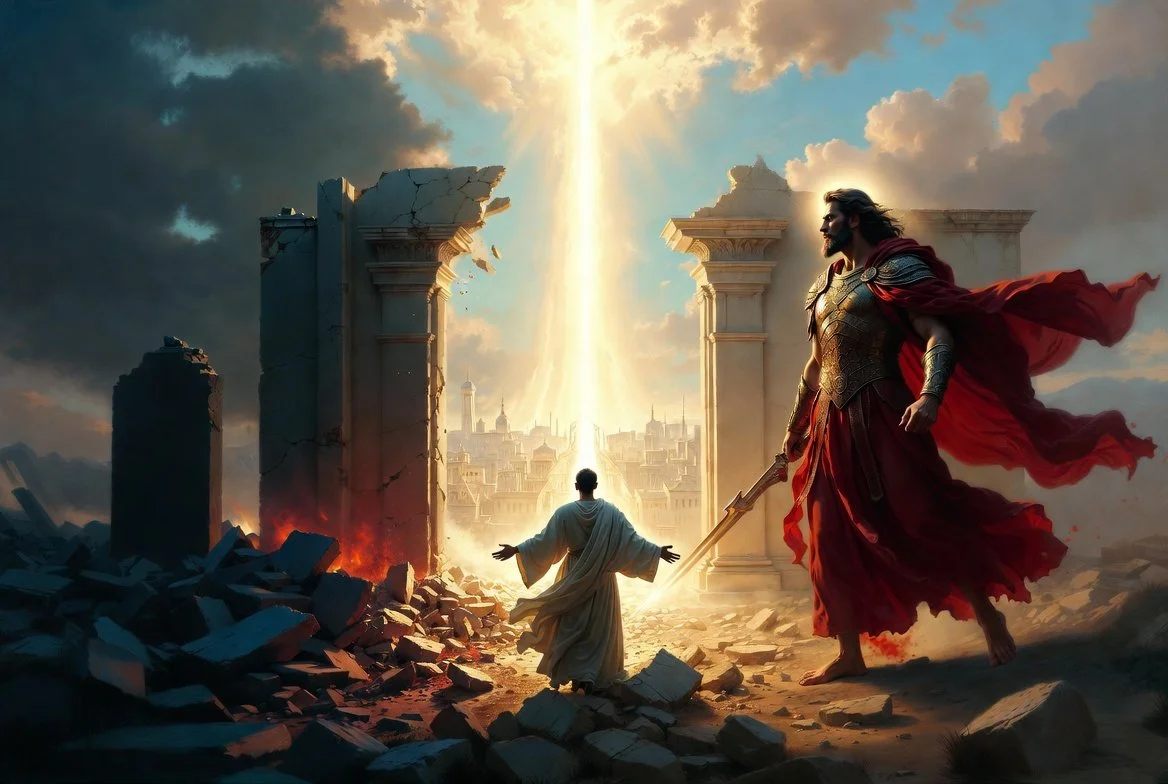
Isaiah Chapters 59-63
Isaiah 59–63 moves from the devastating reality of Israel’s sin and separation from God, through the Lord’s own intervention as Warrior and Redeemer, to the glorious announcement of the Anointed One who brings good news, binds up the brokenhearted, and proclaims the year of the Lord’s favor.

Isaiah Chapters 54-58
Isaiah 54–58 moves from the Servant’s finished work to the restored people of God—expanding the covenant of peace, calling for true fasting and justice, and promising healing, light, and everlasting joy to those who walk in righteousness.
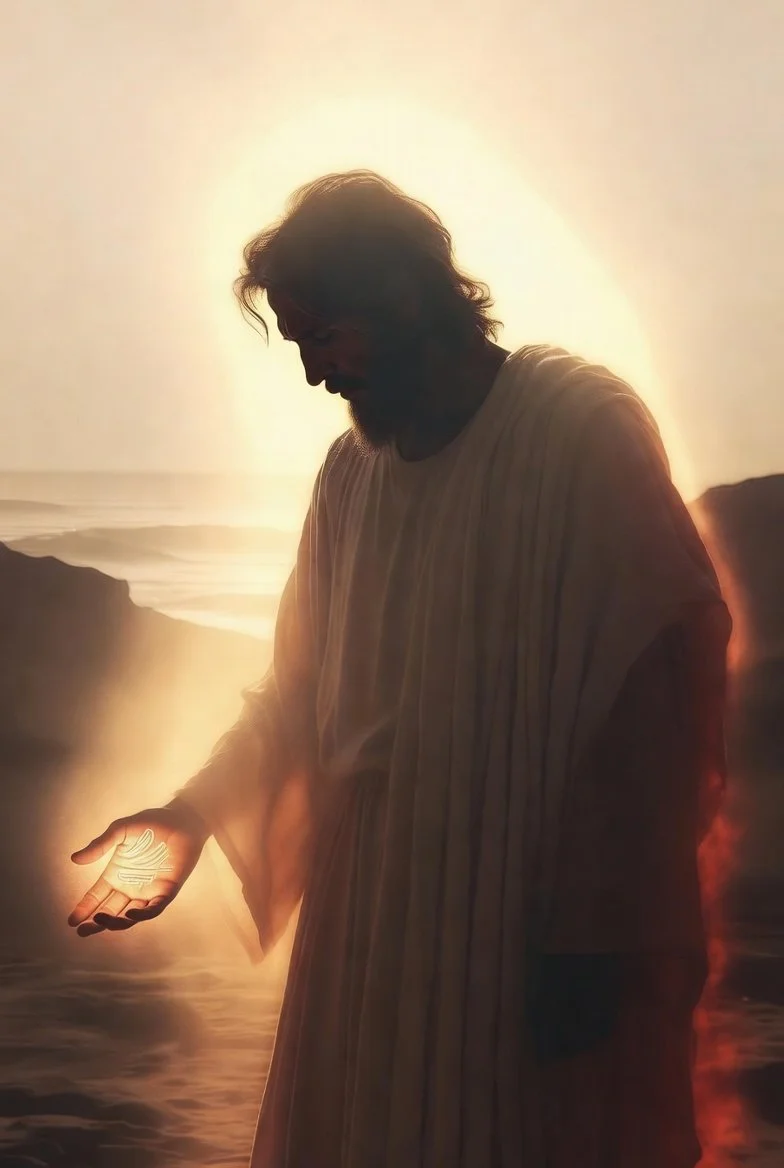
Isaiah Chapters 49 - 53
Isaiah 49–53 shifts the focus to the Lord’s chosen Servant who will bring salvation to Israel and the nations, culminating in the profound portrait of the Suffering Servant who bears our sins.
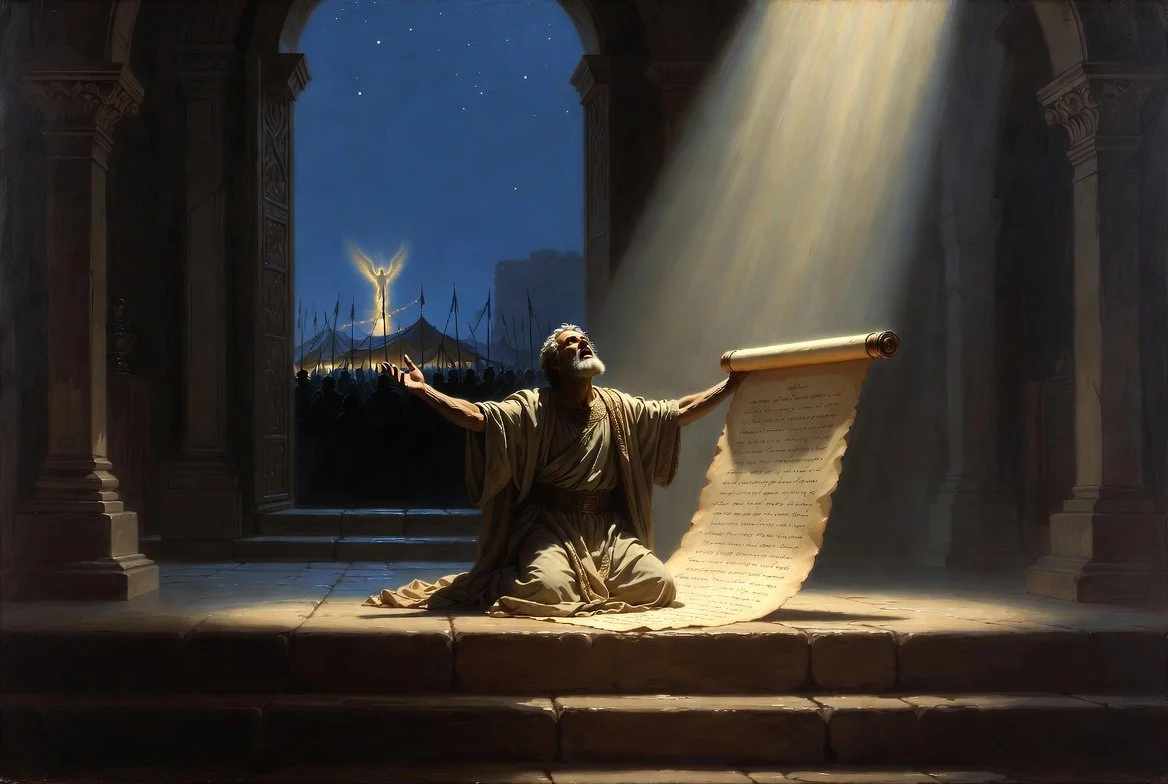
2 Kings Chapter 19, Psalm 46, 80, & 135
Now, in the face of that same terrifying threat, Hezekiah turns fully to the Lord in desperate prayer, and God answers with a word of deliverance through Isaiah.
Isaiah Chapters 44-48
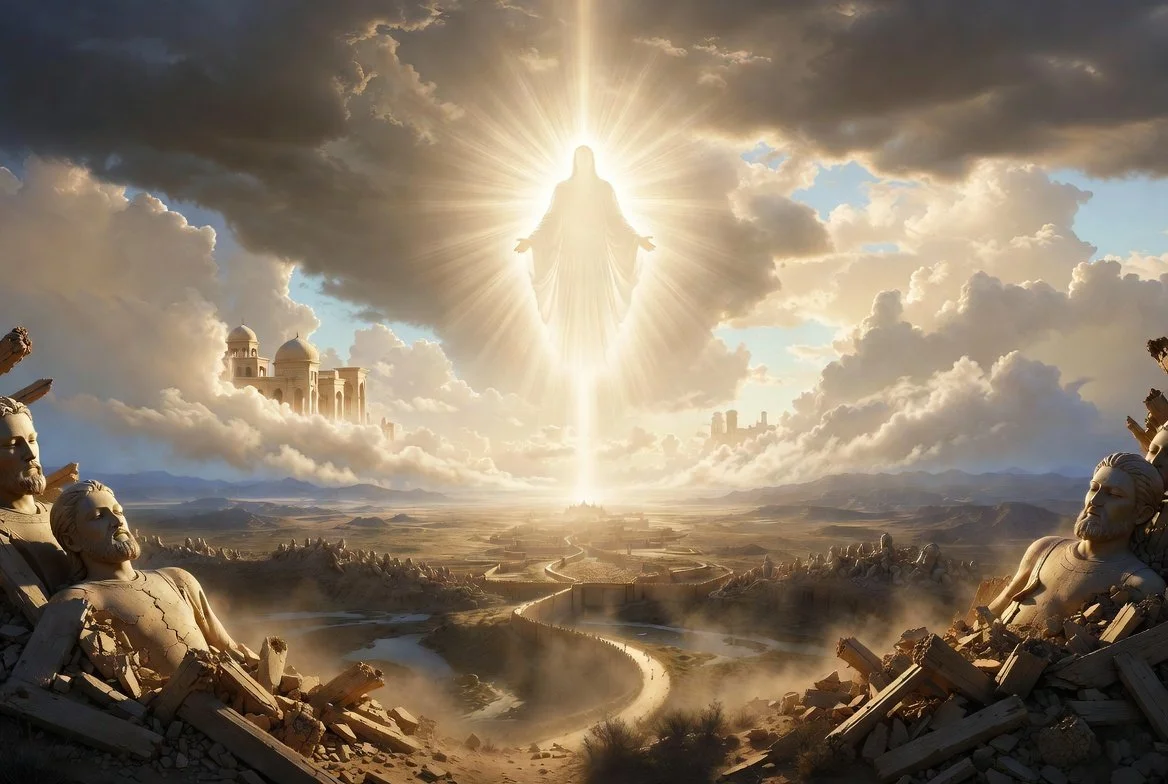
In these chapters the Lord continues to confront idolatry, declare His unique sovereignty, and announce the coming of His chosen servant who will bring about Israel’s redemption and restoration.

Isaiah Chapters 40-43
Isaiah 40–43 shifts dramatically from judgment to comfort, proclaiming God’s tender care for His people, His unmatched sovereignty as Creator, and the hope of deliverance through a coming Servant who will bring justice, redemption, and restoration.